
CONTENTS
Introduction
- Plan your route
- Equipment
- Weather
- Clothing
- Sea Conditions
- Tides and Tide Races
- Stay close to the shore
- River levels
- Where can you kayak?
- Keep your gear safe
Summary
INTRODUCTION
The Kayak Crew have been kayaking since 2016 and over the last 7 years or so we’ve learned a great deal about kayaking, sometimes the hard way!
We have condensed down into the following what we feel are the top 10 tips that we have picked up during our many years kayaking.

We have kayaked on the coast, on estuaries, on rivers, canals and lakes. Pretty much anywhere we can really!
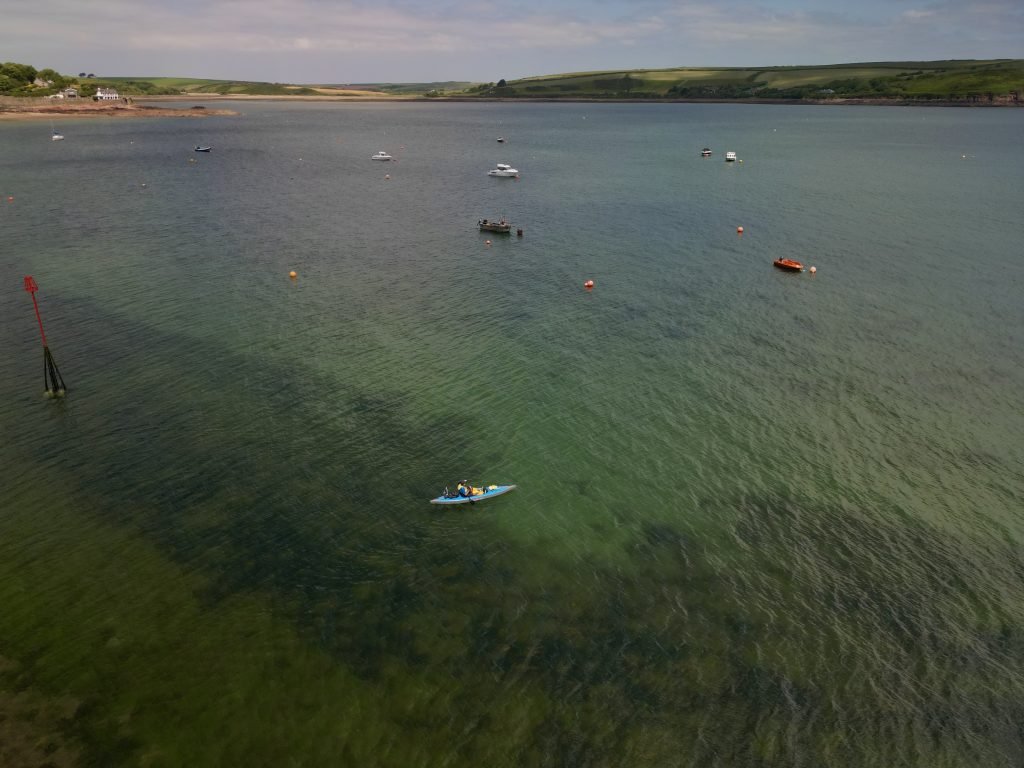
Most of the below tips apply generally to all types of routes but a few apply specifically to say, sea kayaking or river kayaking.
1. PLAN YOUR ROUTE
Planning your route in advance is particularly important if you are doing longer kayaks from one location to another, such as a stretch of the coast, or a long section of a river.
There are numerous aspects to planning the route for a kayak and we’d summarise them as follows.
Your route map
Unless you are just going for a potter around off a beach or some other form of leisurely paddling, having a map of your intended route is important for a number of reasons.
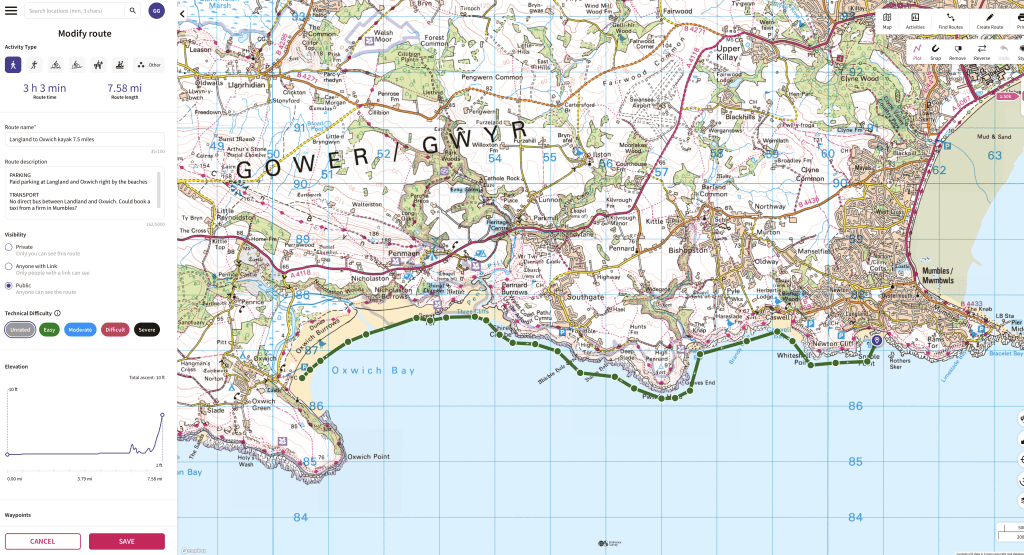
In particular, you need to have an idea of how long the route is and roughly how long it’s going to take you, where you are going to launch and land, what sort of water you will be covering, etc.
We use OS Maps to plot all of our routes before we go.
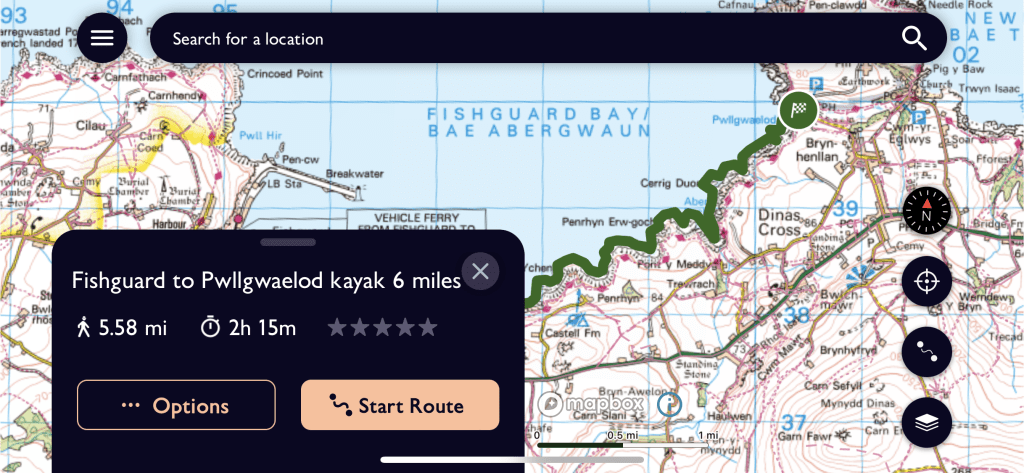
OS Maps is of course specific to the UK but if you live in other countries then we’re sure that you have similar services that you can use to plot your proposed routes to see what distance they are, etc.
Launch and Landing locations
A crucial aspect of any route you plan is of course where you are going to launch from and land.
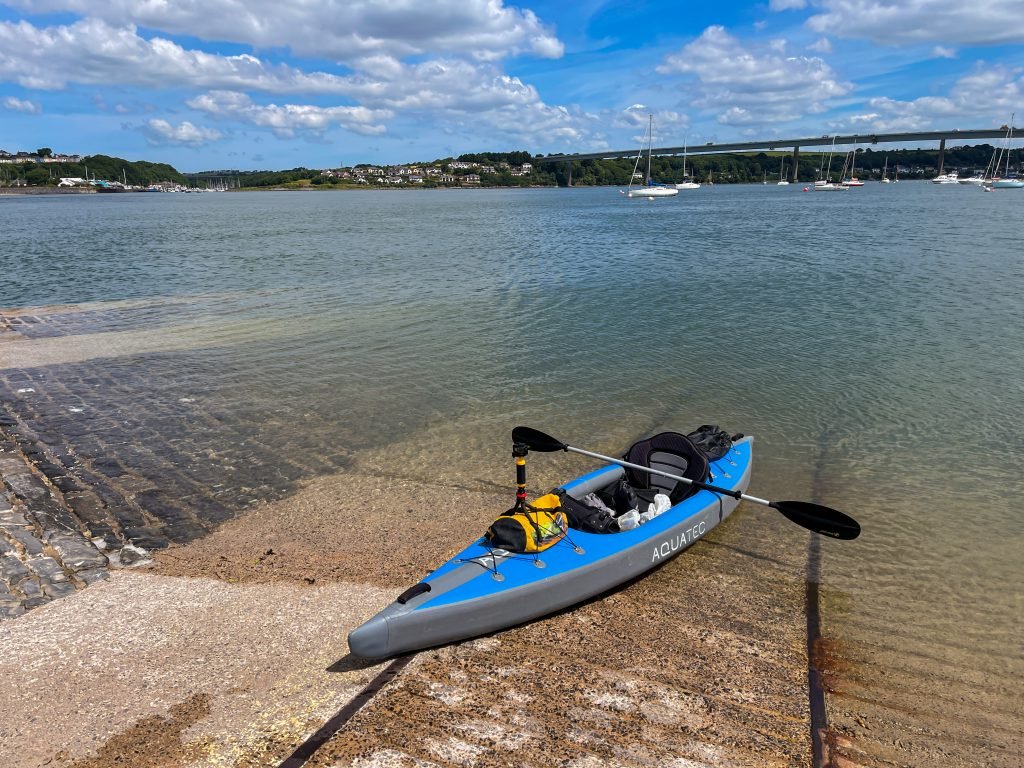
On a round trip, circular kayak, you will launch and land at the same location which makes it a bit easier.
We though mostly do one way, linear kayaks since we prefer not having to double back and cover the same ground on the return trip.

Also, you effectively can cover twice the terrain on a linear, one way trip because you are not doubling back and paddling back past the same area you covered on the way out.
Logistics
The downside to linear, one way trips is that you need to know how you are going to get between the land and launch locations.
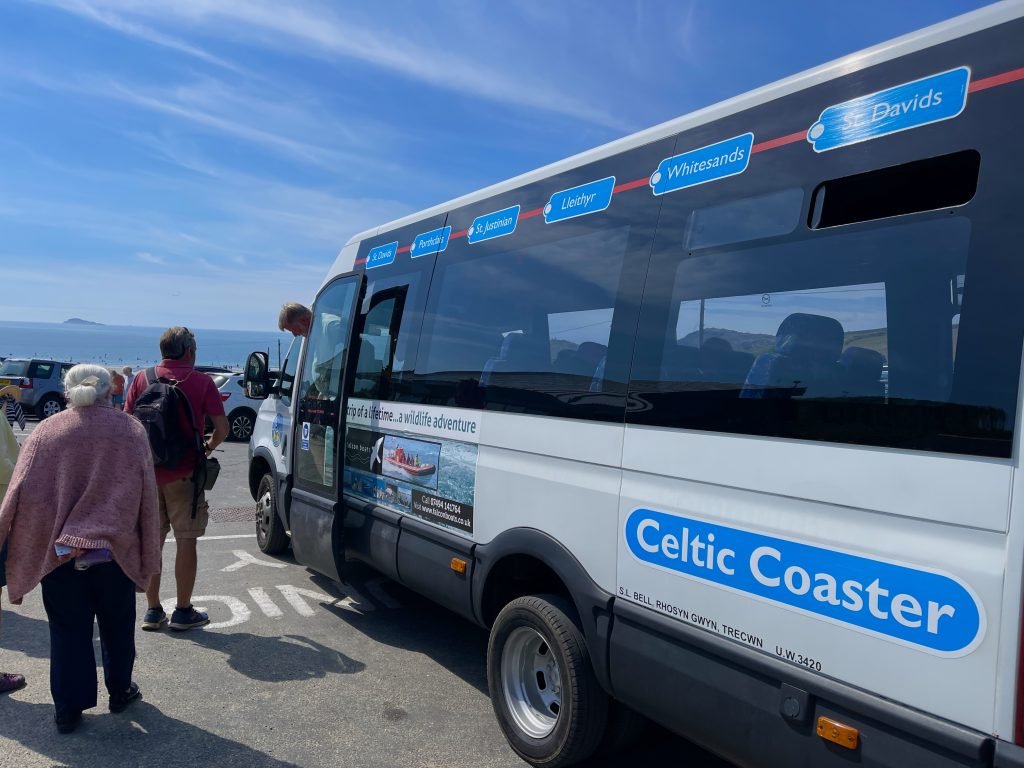
We generally use inflatable kayaks so we can take them on buses, trains or in taxis since when deflated they pack into large backpacks.
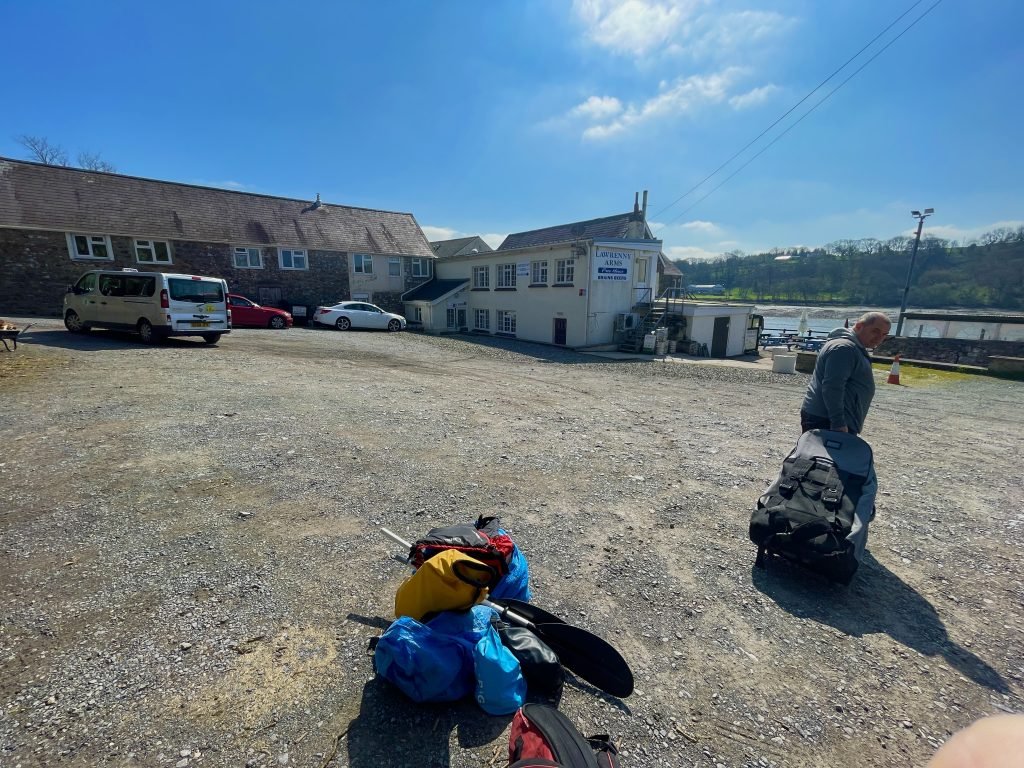
The alternative is of course to leave a vehicle at either end of your route, which is what we often do even if we are just using our inflatable kayaks.
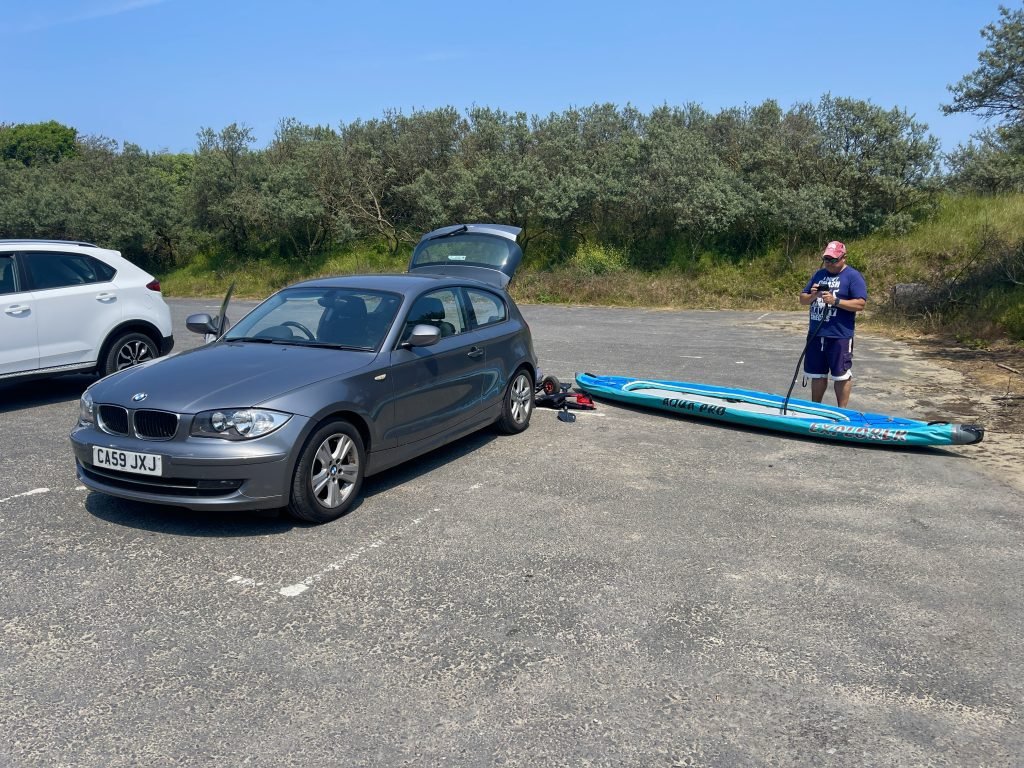
You will usually be using at least one vehicle for your kayak so parking near to your launch and landing locations also needs to be factored in.
2. EQUIPMENT
This is a summary of what equipment we feel is the most important when kayaking, but what you require does to a degree depend on what type of kayaking you are doing and this is by no means an exhaustive list.
Paddles
Paddles can cost anywhere from £30 to over £500.
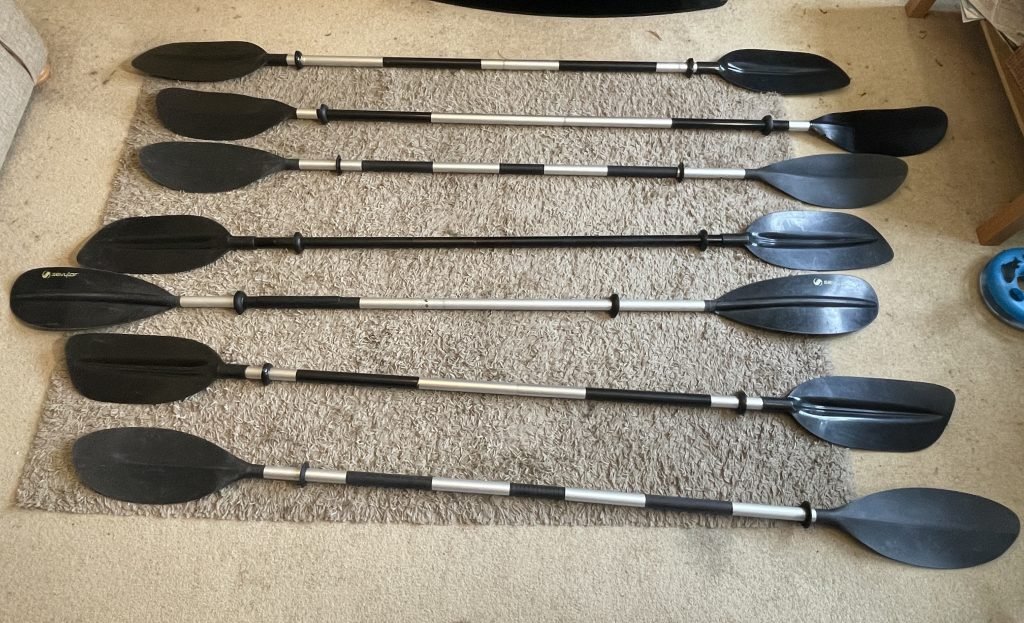
Next to the kayak itself, your paddle has the biggest impact on your performance on the water.
As with most things, you generally get what you pay for and the main benefits of more expensive paddles is that they are much stiffer and help to propel you through the water more efficiently than cheaper paddles which will usually are a bit looser and not as efficient.
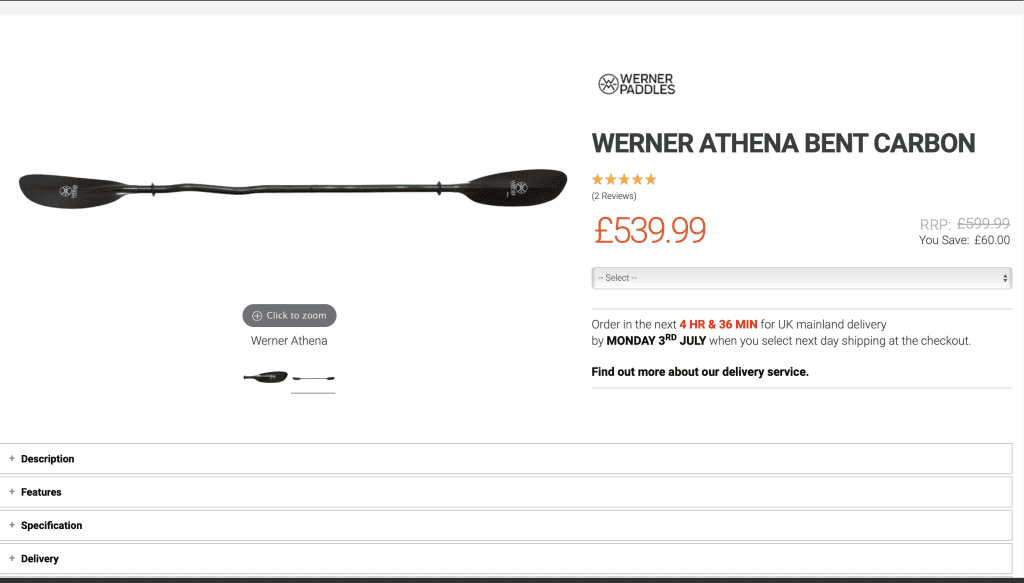
We’ve used a number of paddles over the years and in summary, we think it’s worth investing in a good paddle. You don’t have to spend to spend mega bucks, but if you are going to use it hundreds of times over many years then spending a couple of hundred of pounds on a paddle is worth it.
Personal Flotation Device (PFD)
PFD’s are a safety items which will assist you in staying afloat if you end up in the water.
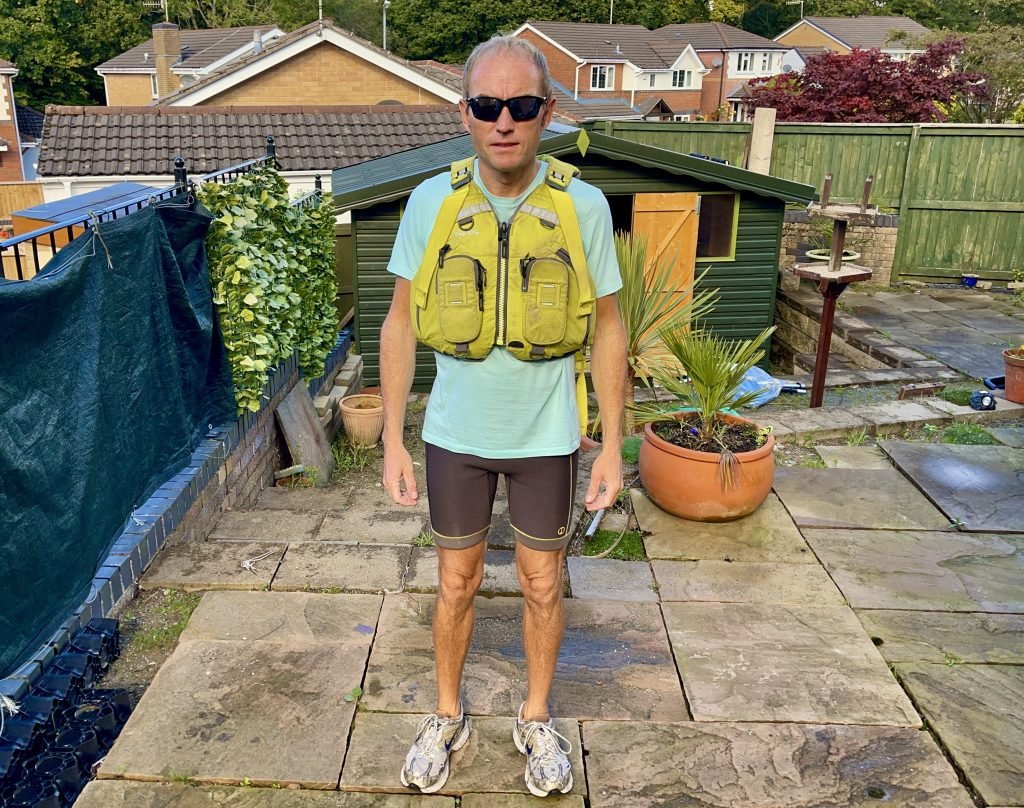
While we strive to not end up in the water if we can on our paddles, we always wear PFDs when we go paddling.
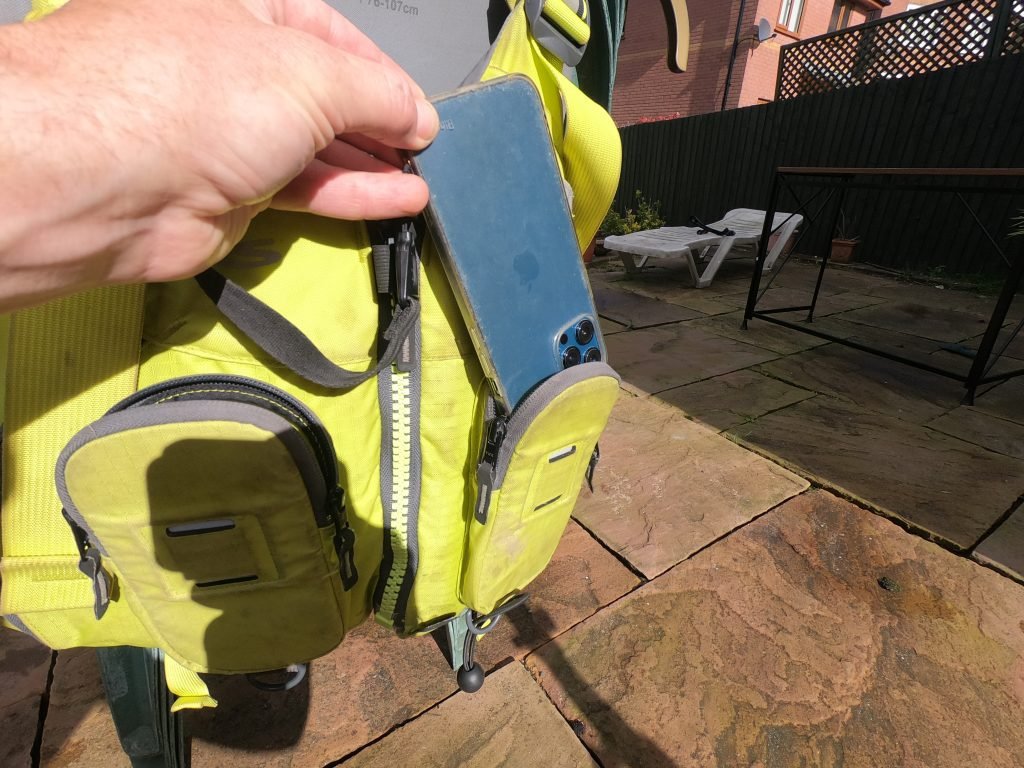
We’d suggest getting one with good zip pockets since these are really handy for storing phones (in a lanyard case), keys (in a waterproof case) and other items.
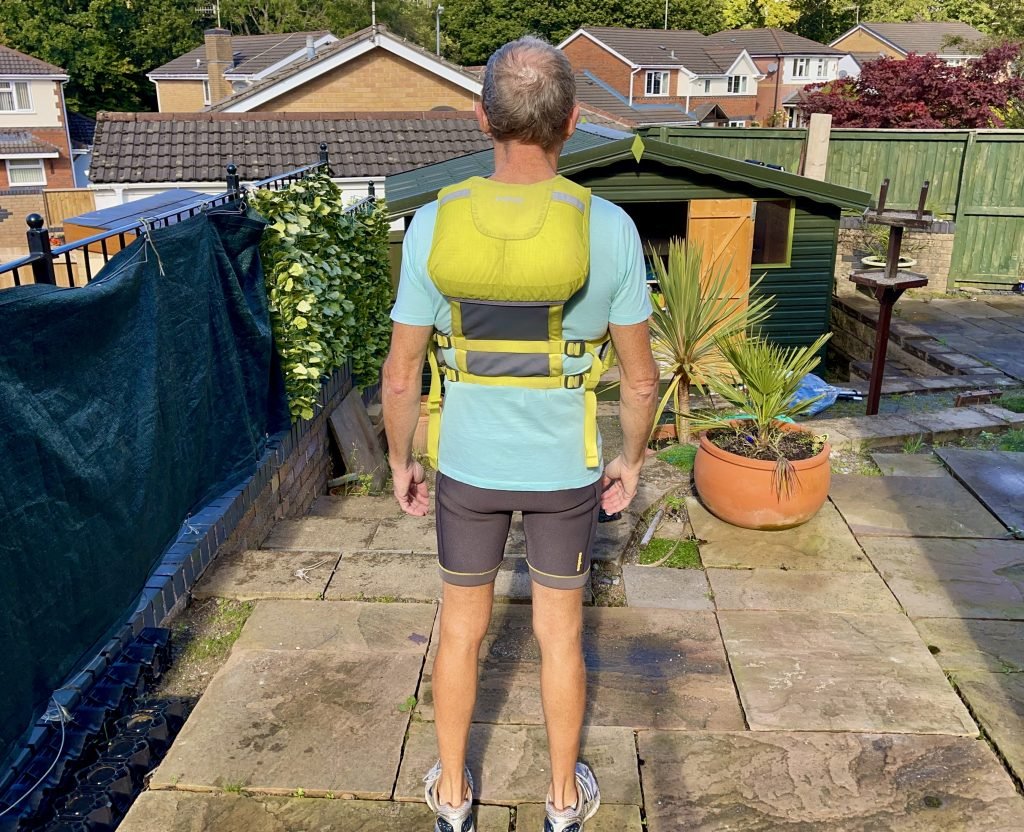
We particularly like the high backed PFDs since the back padding sits higher than the back of your kayak seat so that it does get obstructed by the seat back.
Kayak seats
Most kayaks usually come with seats included.
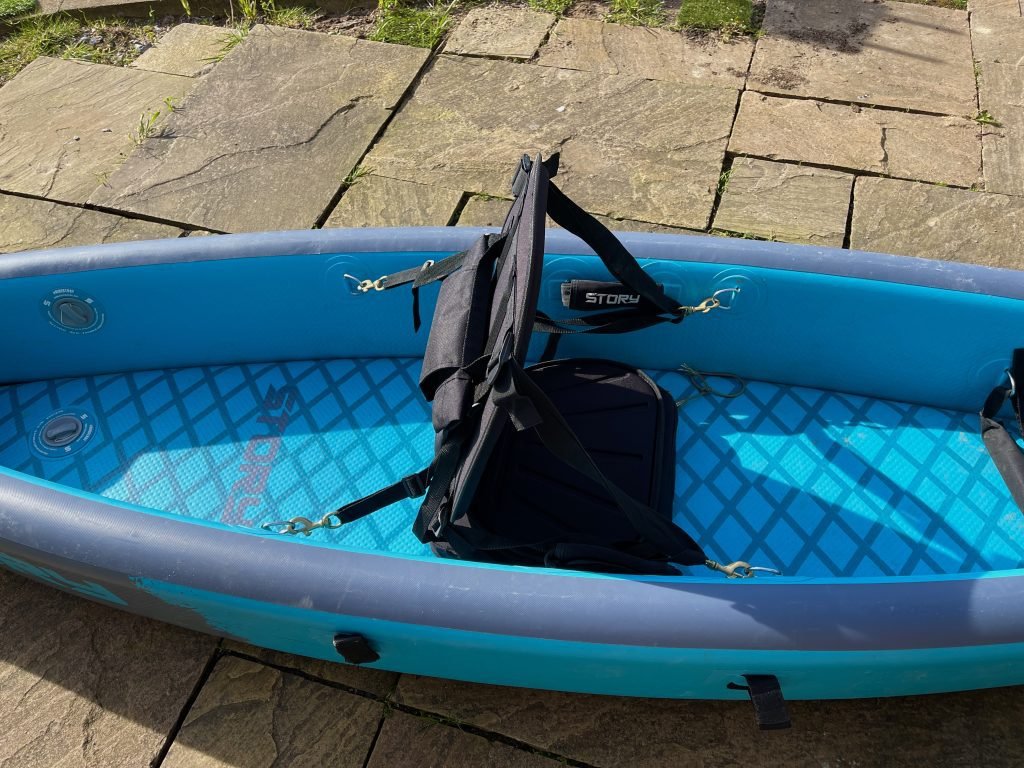
These are usually fabric seats which you strap to D-rings on the kayak using 4 straps.
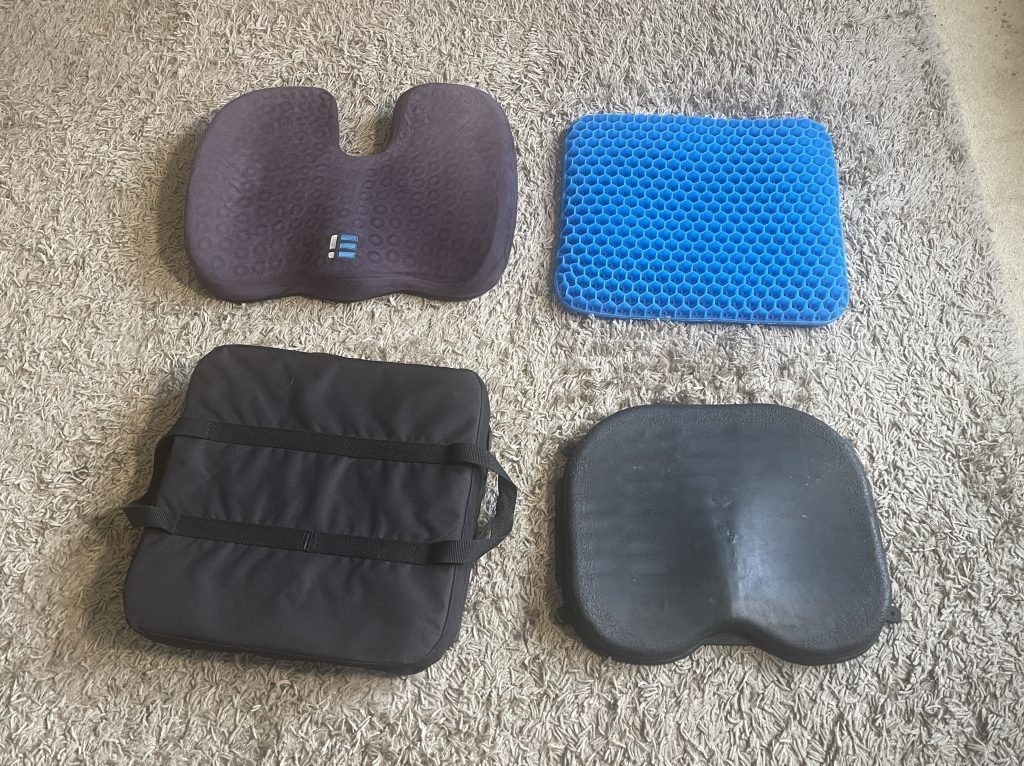
We usually add some form of seat pad to our our kayak seats. You’d be surprised how numb you can get when you are sat in a kayak for hours!
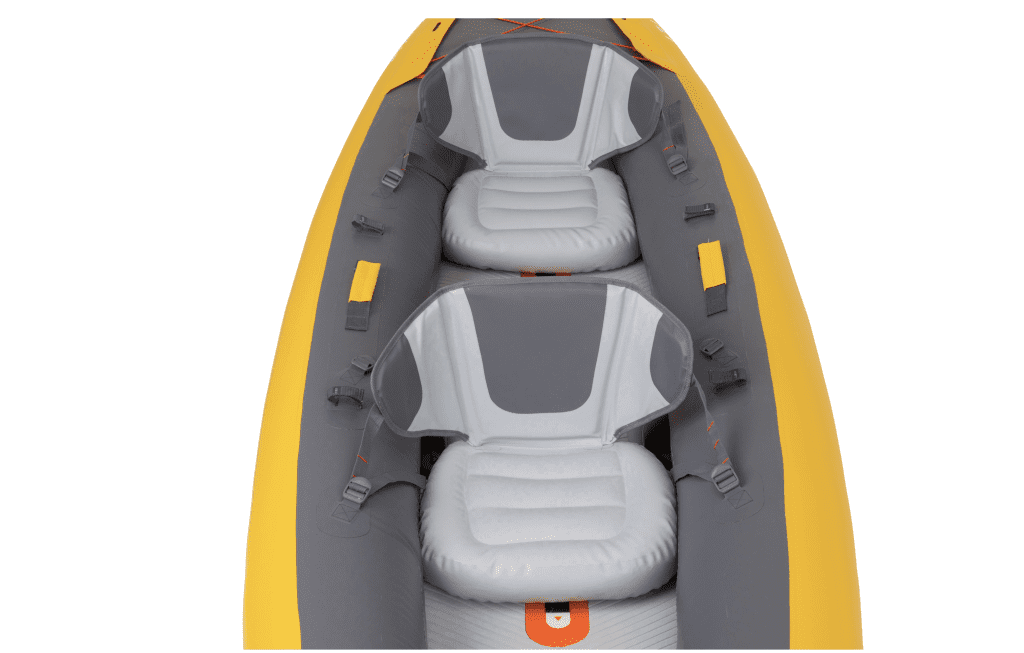
Some inflatable kayaks seats have inflatable base, such as on the Itiwit X100.
Pumps
If you are using inflatable kayaks then you obviously need a pump.
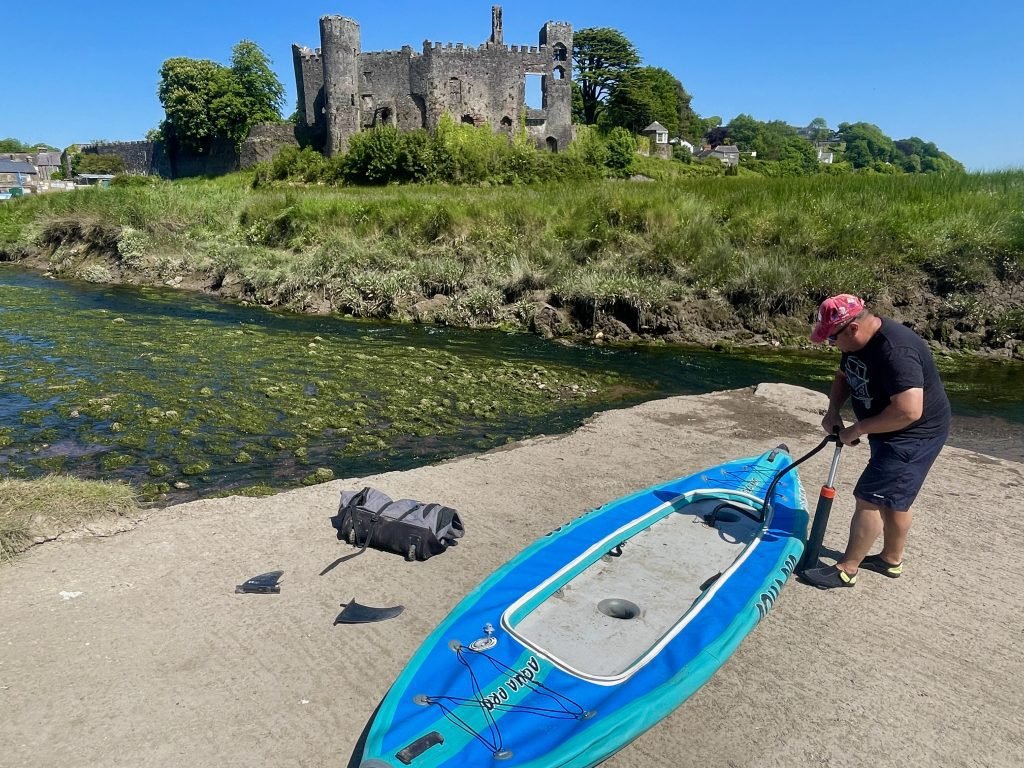
We have used a number of pumps but would recommend a pump that can inflate both single action or double action.
We’d also recommend getting a pump which can both inflate your kayak and deflate it when you are done at the end.
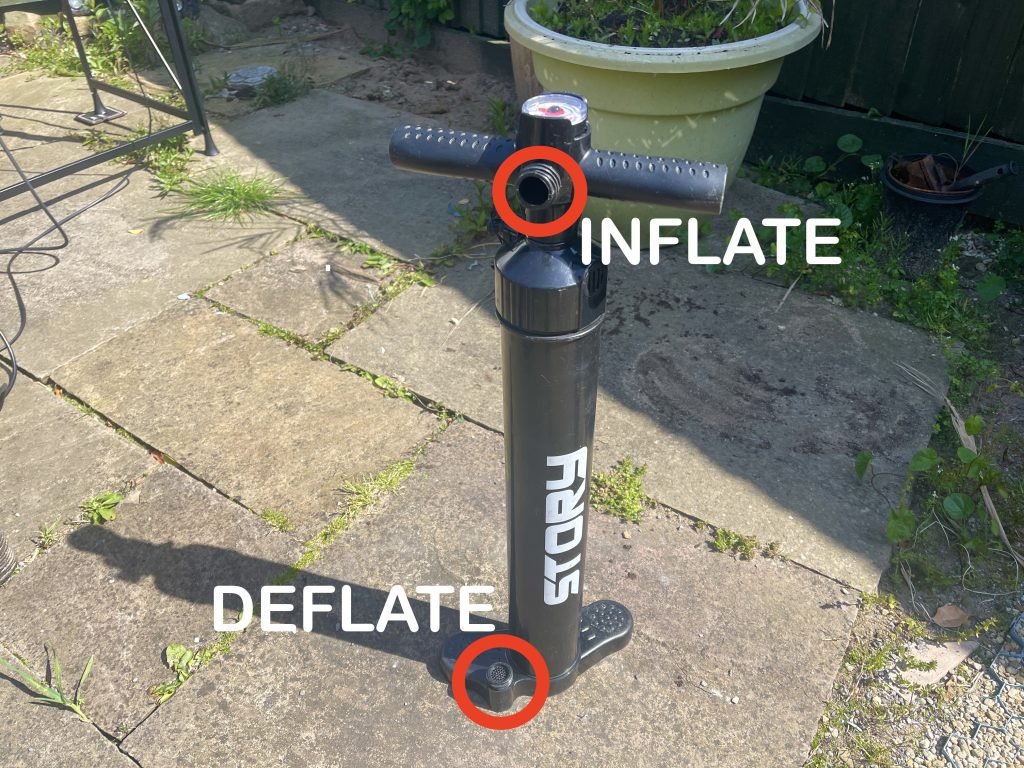
You can get electric pumps which speed up the inflation process but you still usually need to use a hand pump to finish inflating you kayak to the desired pressure.
Dry bags
Dry bags are made from waterproof material with special openings that are folded over a number of times to form a seal to prevent water from getting into the bag.
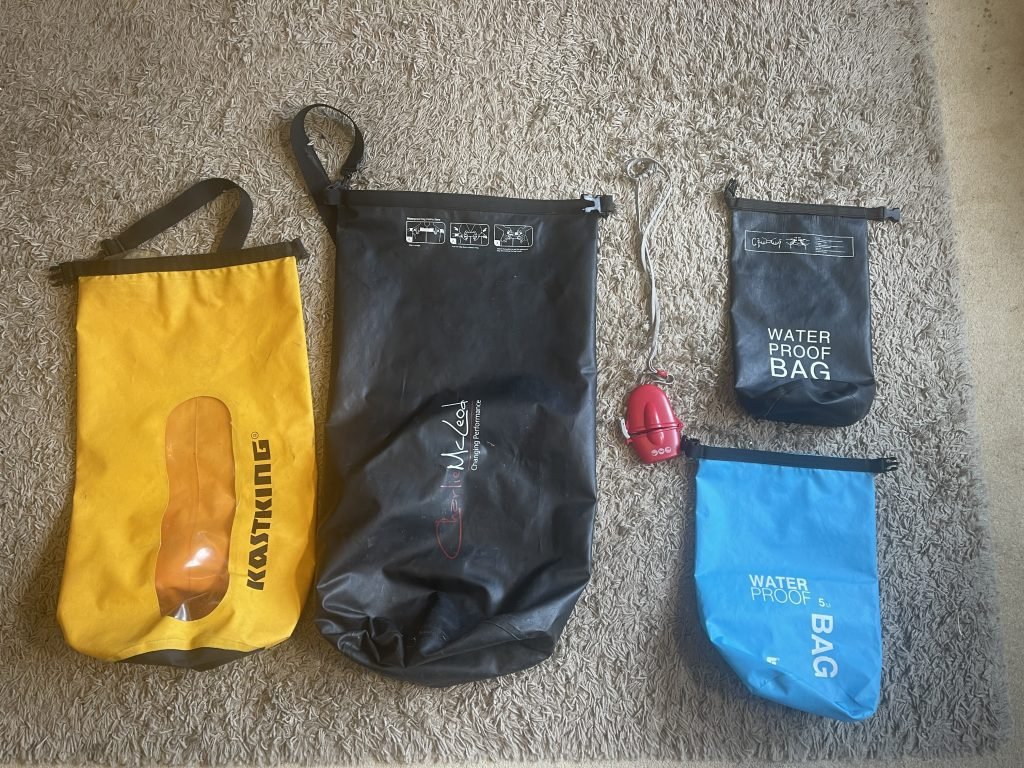
They are extremely useful for keeping things like electrical items or clothes dry when you go out kayaking.
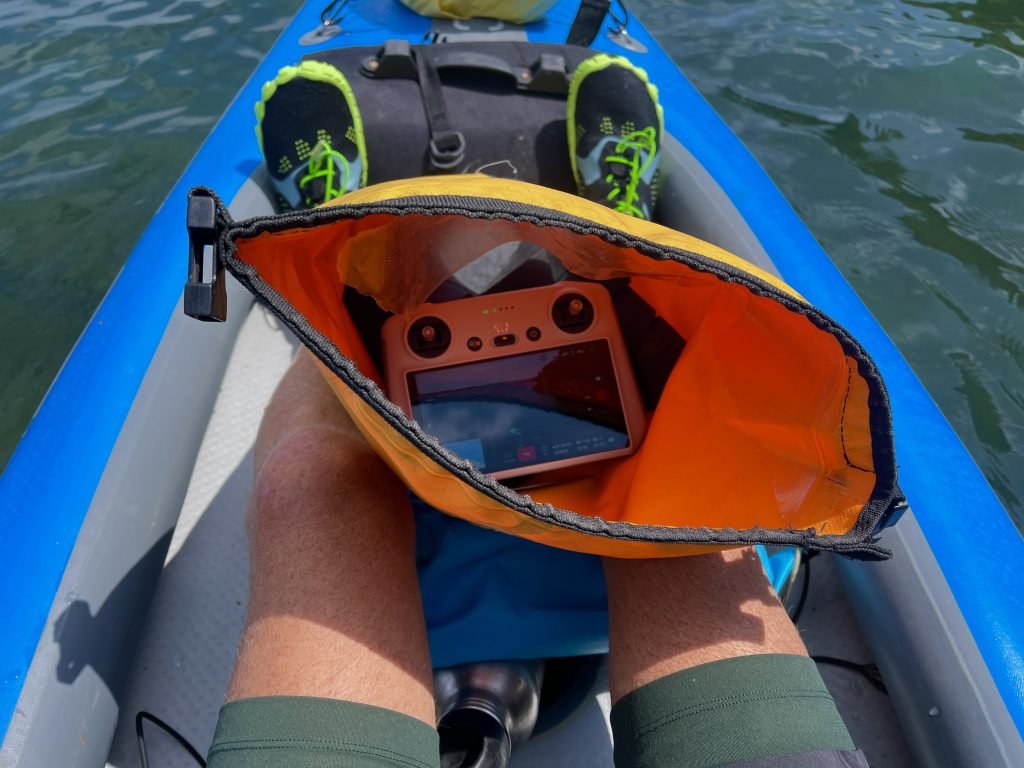
Just remember to tether your dry bags down in case they get washed overboard or even worse if you roll over and they end up on the bed of the sea, lake or the river.
3. WEATHER
Checking the weather forecast is crucial when planning any kayak, especially if you are going to be on open water such as on the sea.
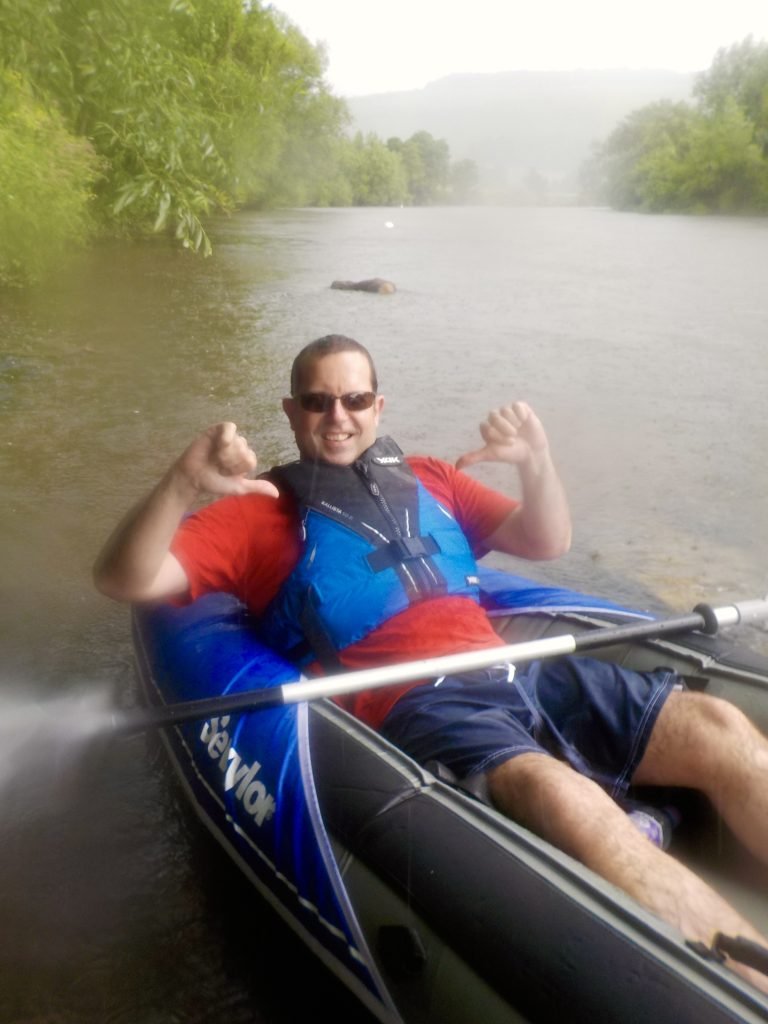
On coastal kayaks on the sea, the weather will to a large degree dictate what sea conditions you will have or whether it is safe to go kayaking at all.
The strength and direction of the wind are the most important weather factors when it comes to kayaking.
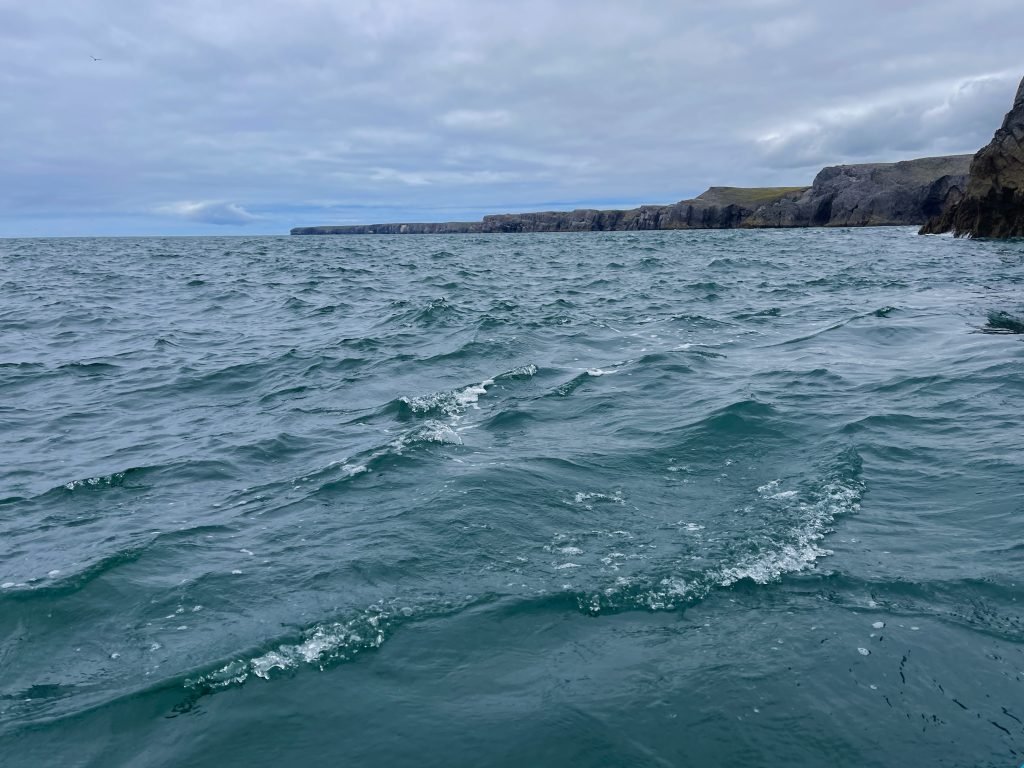
When on very open stretches of water such as the sea, wide estuaries or large lakes, you generally want to be paddling with the wind behind you since paddling against a strong headwind can be a case of 2 steps forward, one step back.
Inflatable kayaks are more susceptible to wind than hard shell kayaks in this regard, because they sit on the water rather in it.
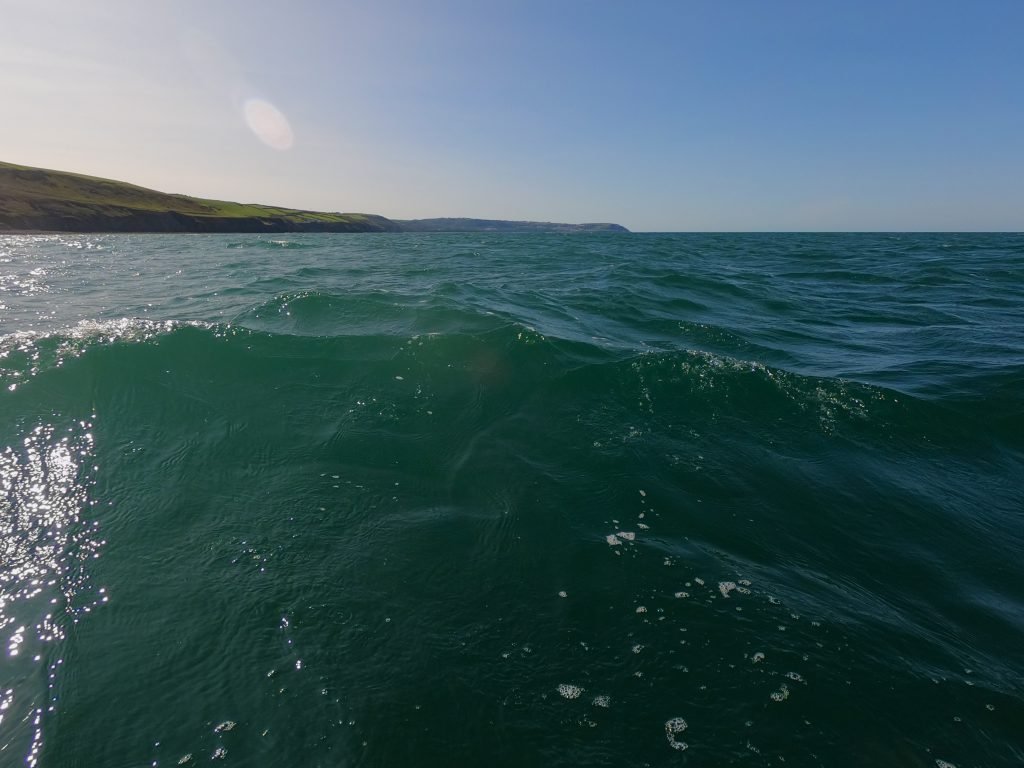
Strong winds are the nemesis of kayakers and we do not generally go out if the forecast is that the wind is going to be in excess of 20mph at most.
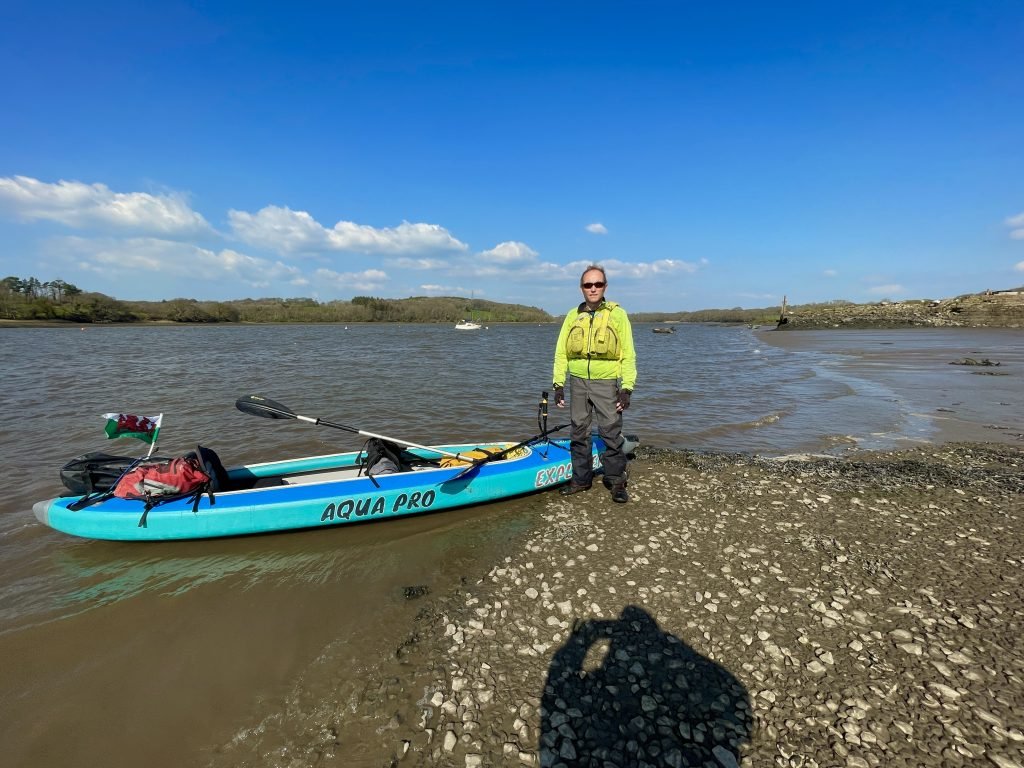
On sheltered sections of rivers or canals, weather becomes less of an issue but you still need to check for rain to avoid your planned kayak becoming a wash out.
4. CLOTHING
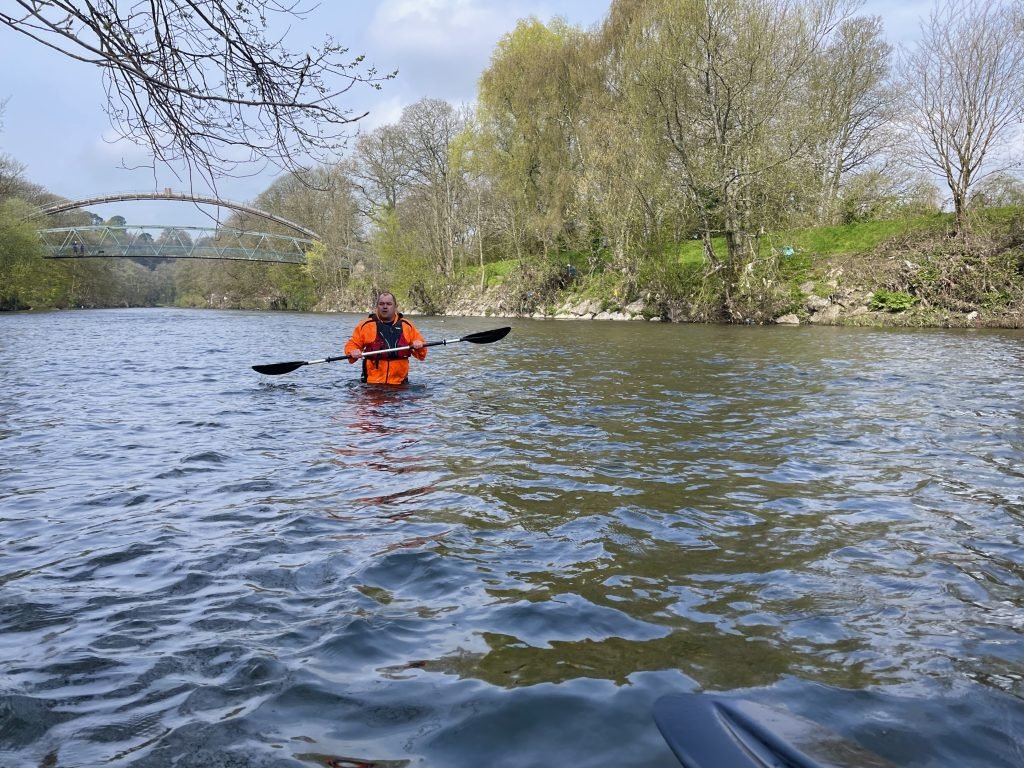
Suffice to say that you should dress for the conditions and clothing can range from a full drysuit in the Winter to just a bather and beach shoes when its very hot in the summer, or anywhere in between.
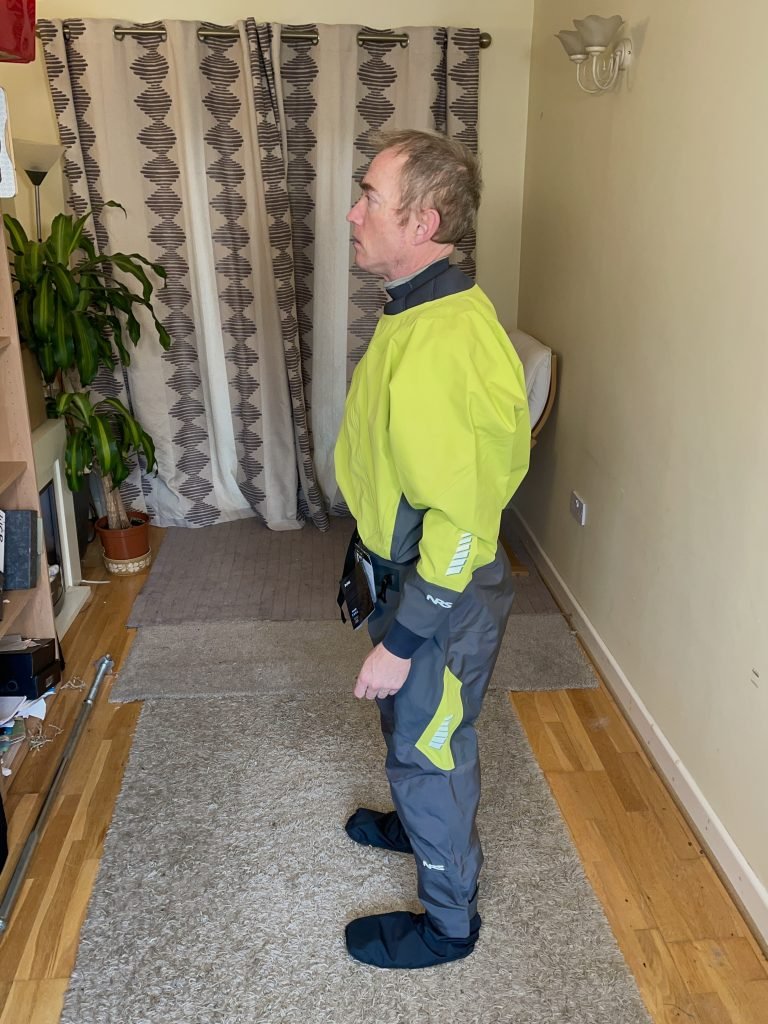
Clothing is more of an issue if you are paddling in cold conditions or where the water temperature is cold, such as in the early Spring, late Autumn or Winter.
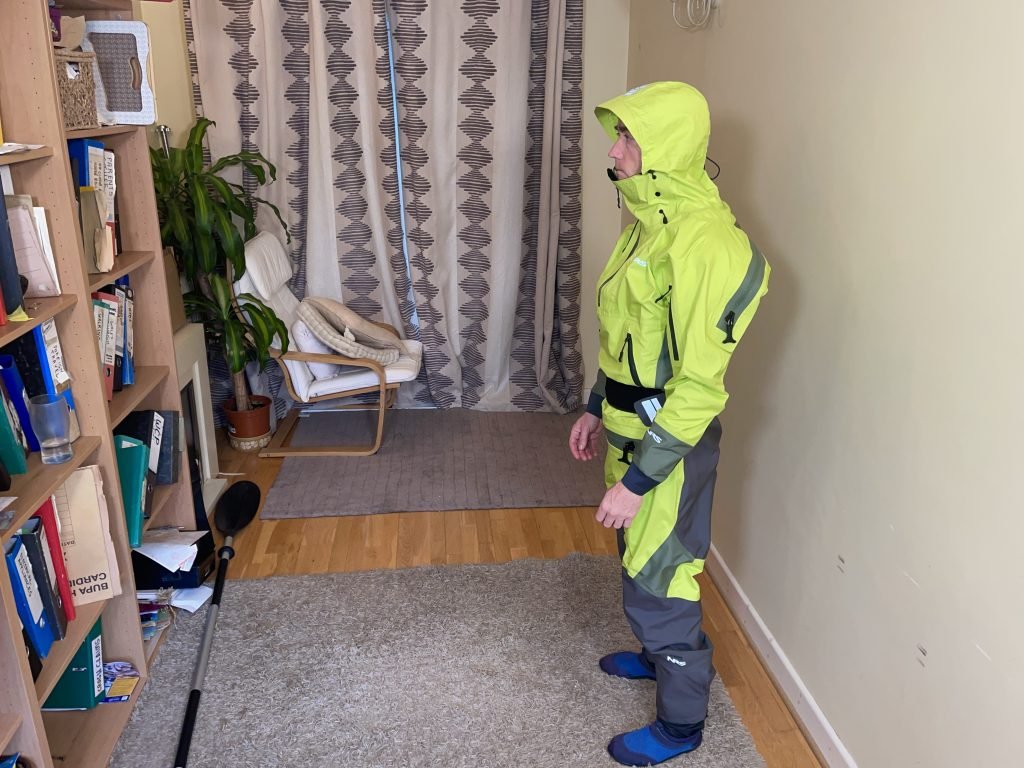
When it’s cold, items such as dry suits, semi dry suits, dry jackets and dry trousers need to be considered.
When it’s warmer, its simply a case of wearing what suits you but you still need to be prepared for it potentially getting colder throughout the kayak and we almost always pack jackets in our dry bags even on a hot Summer’s day.
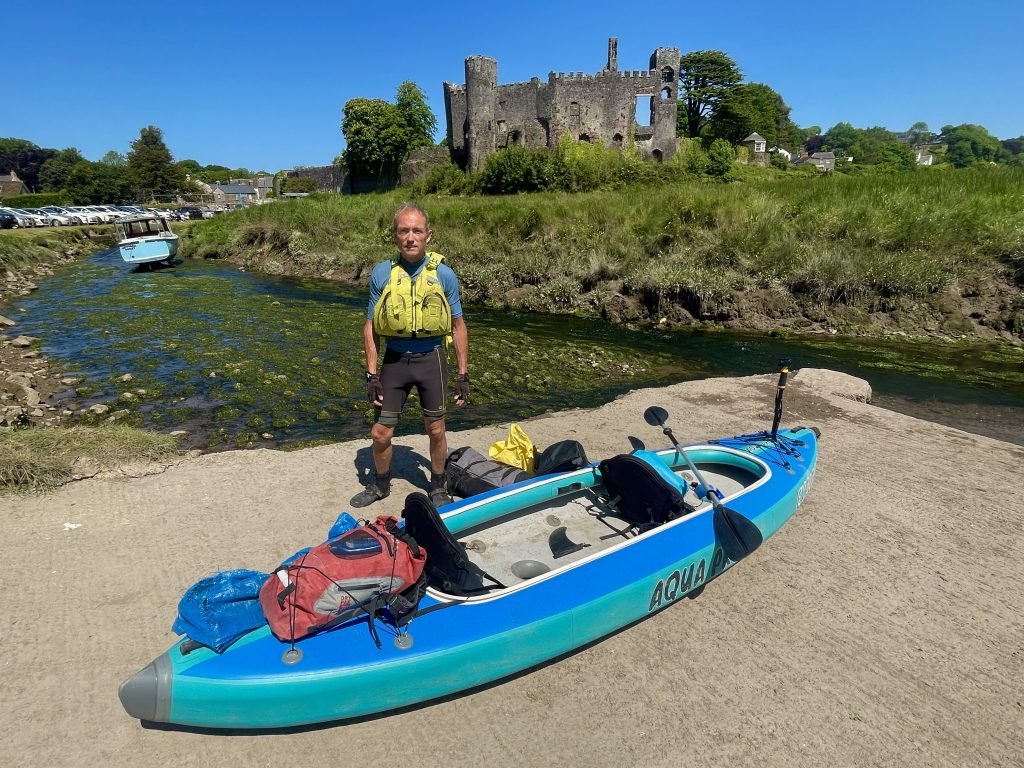
The main thing to avoid are things like cotton T-shirts since when it’s wet, cotton tend to stay wet and just sticks to your skin so it can make you cold.
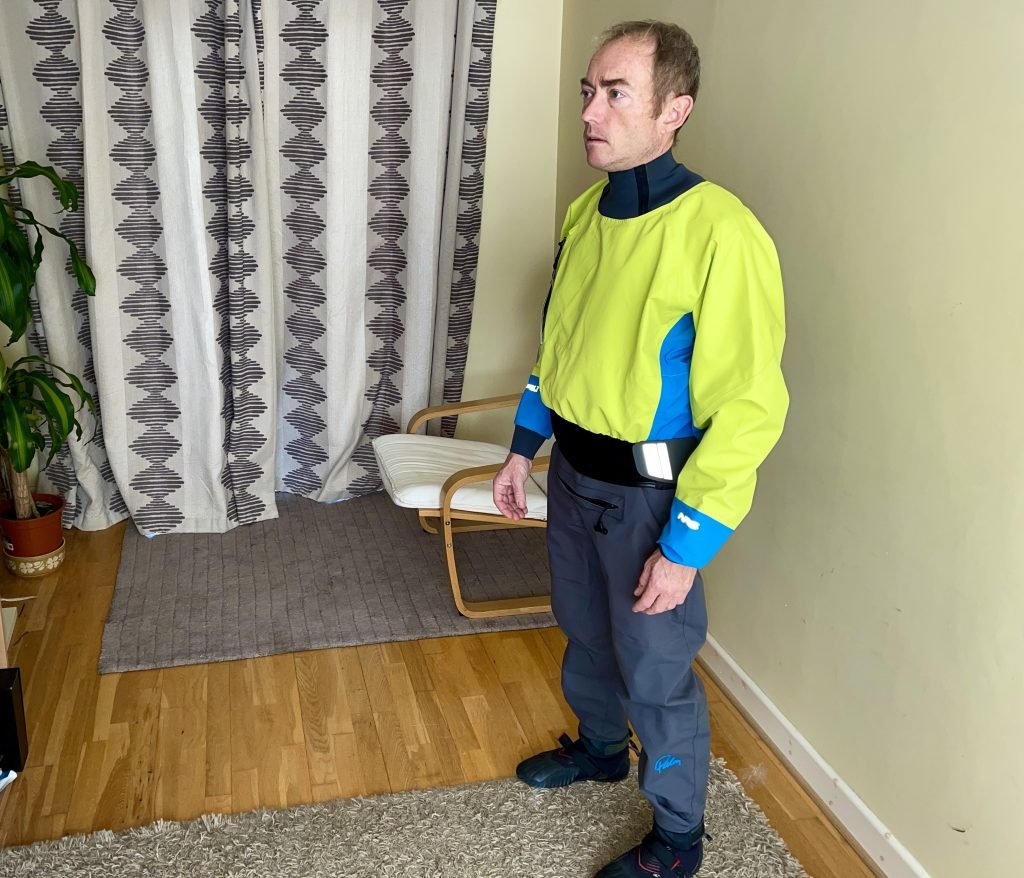
Our advice is to take several layers with you since you can range from being cold to too hot during the same paddle.
We rarely get cold when we are actually paddling since the effort of paddling usually helps to keep us warm.
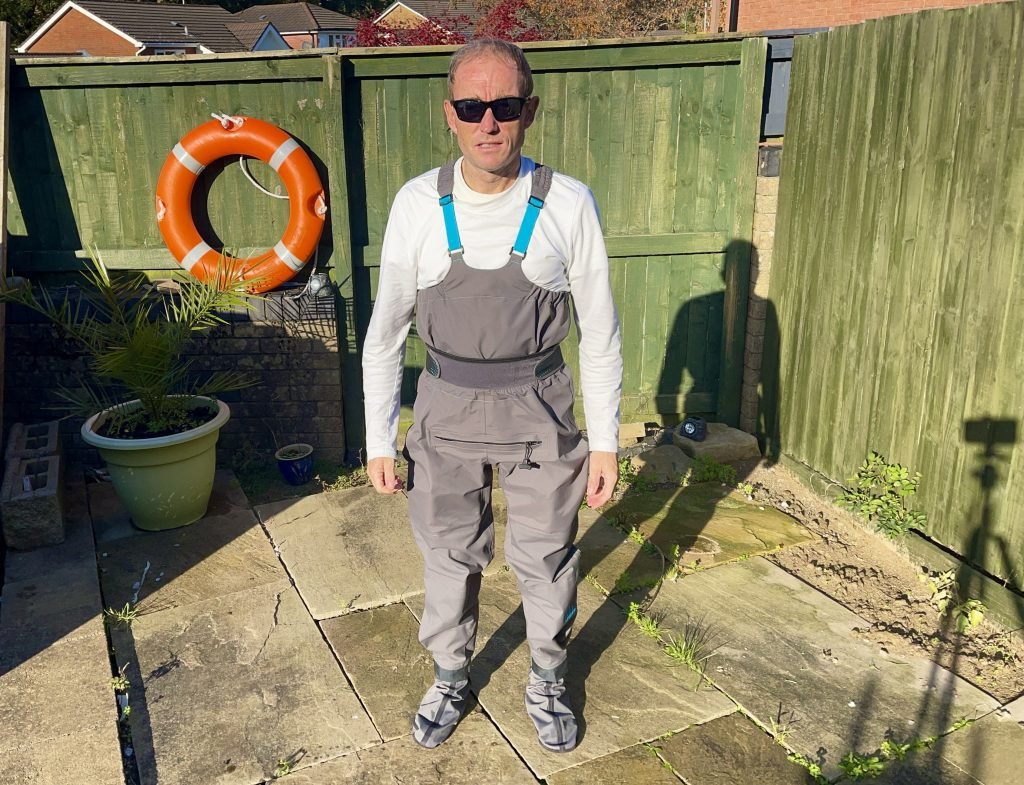
However, if we stop off for a lunch break or when we stop at the end of the kayak, we find that we almost immediately can start to feel a lot colder, so we usually take jackets and a few other things to wear and keep them in our dry bags.
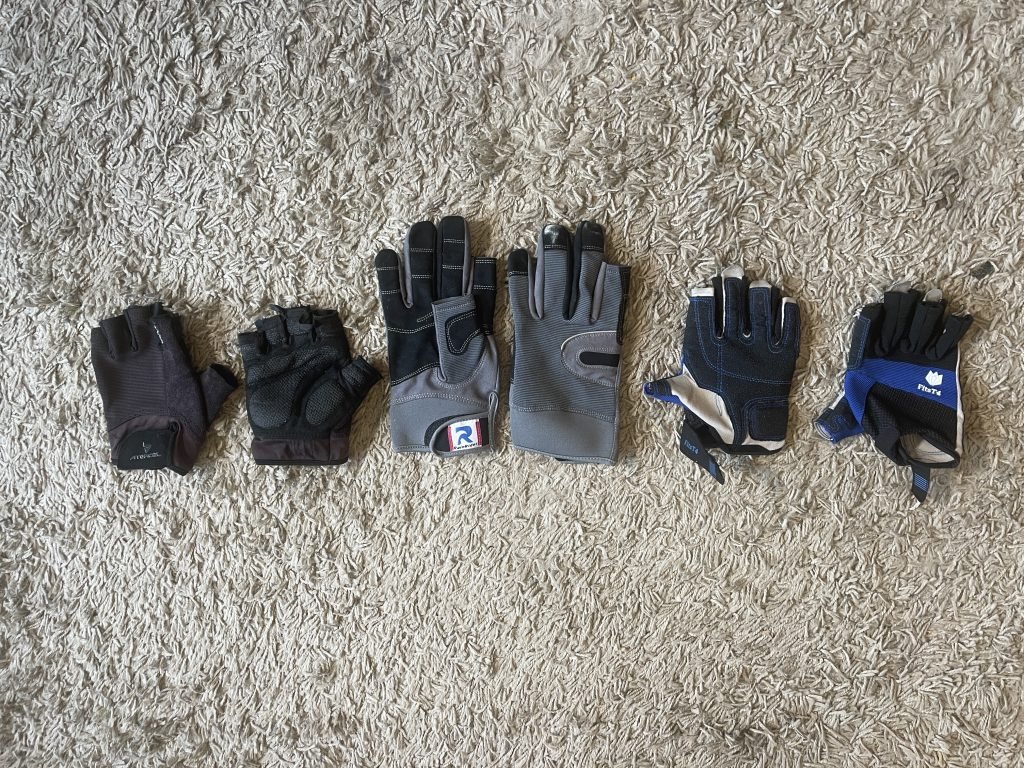
Good kayaking gloves are well worth investing in, since you can otherwise get blisters on your fingers after a few hours which can be quite painful.
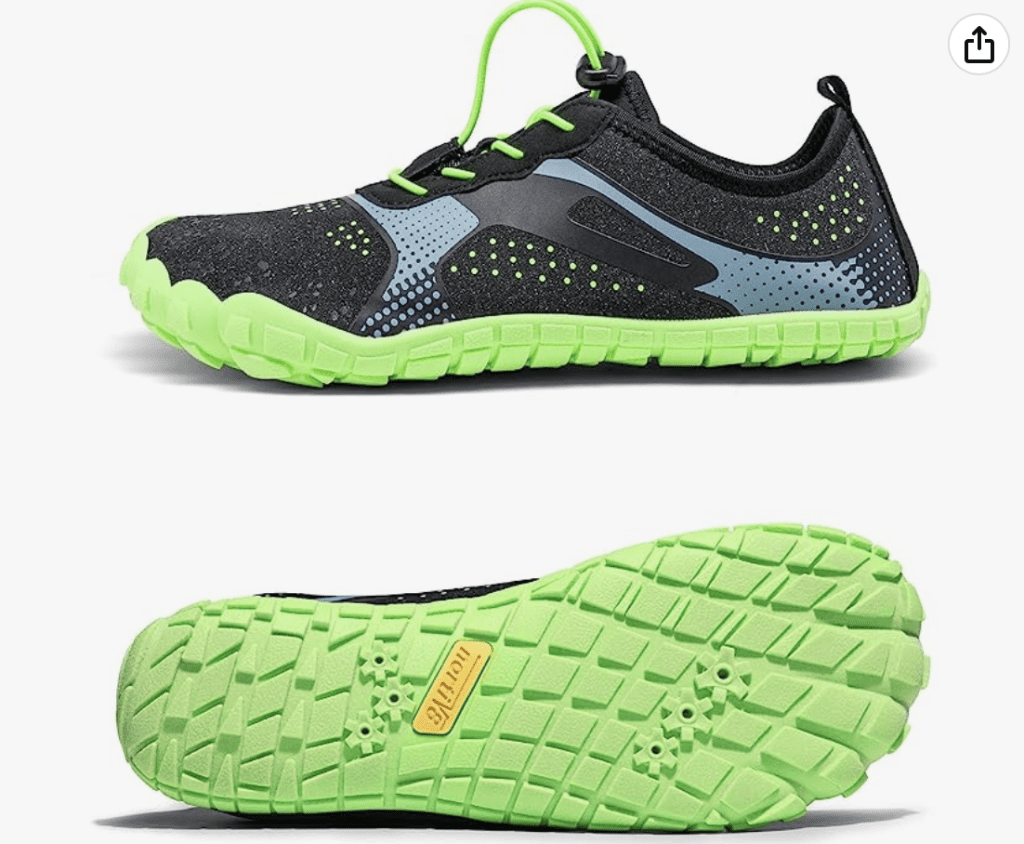
As for footwear, in the summer we usually wear water shoes, which allow the water to drain out of them, and wear shorty neoprene socks underneath them.
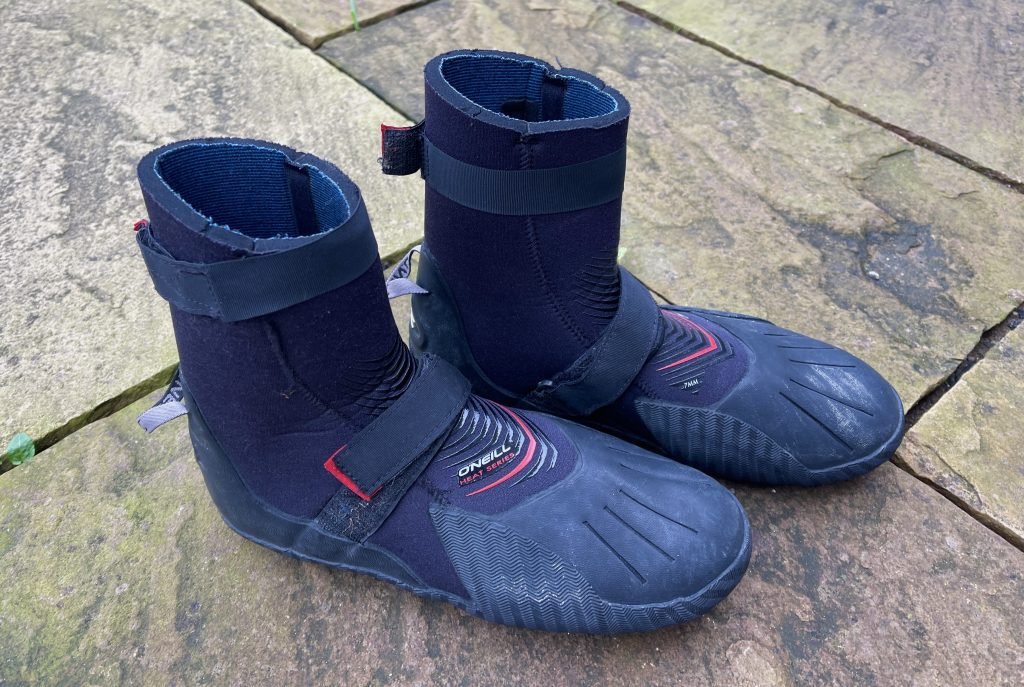
In the Winter, we usually wear thick neoprene boots on our feet, since you will often have to wade into the water up up to your knees when landing and launching.
5. SEA CONDITIONS
If you are sea kayaking, then it’s essential to check the sea conditions before you go.
We use surf-forecast.com to get sea swell forecasts but there are other websites such as big salty.com.
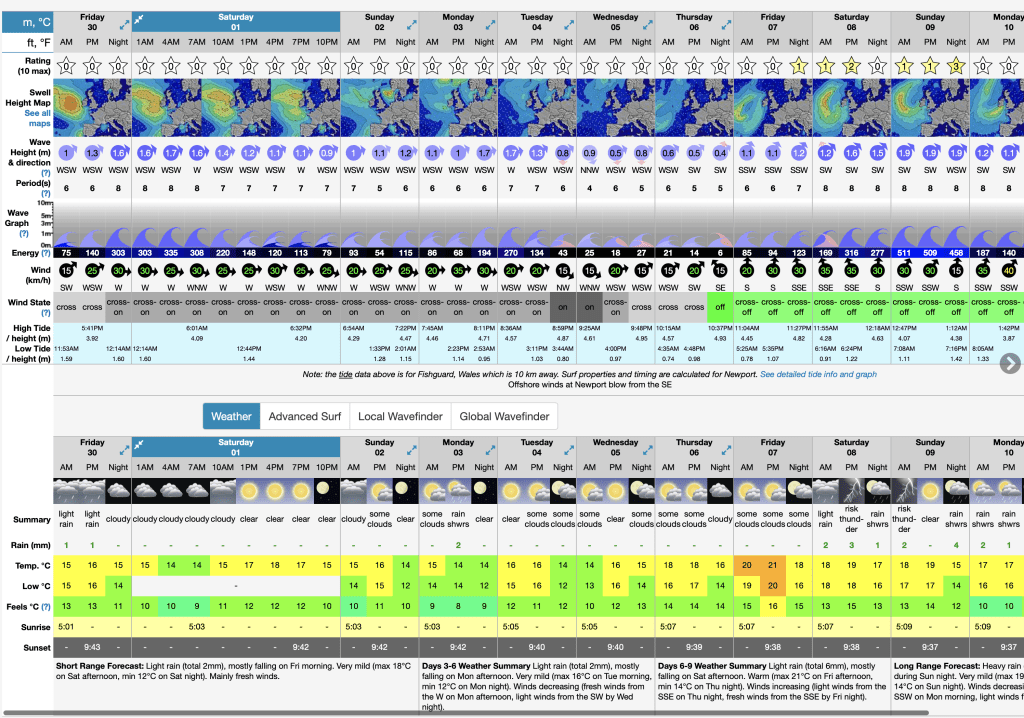
These websites are more aimed at surfers than kayakers but they are super useful since they give you fairly accurate forecasts of what the height of the swell, whether the sea will be choppy or calm, wind strength and direction and they also cover tide times.
We look up the sea swell conditions for the location or the nearest location to our planned route.
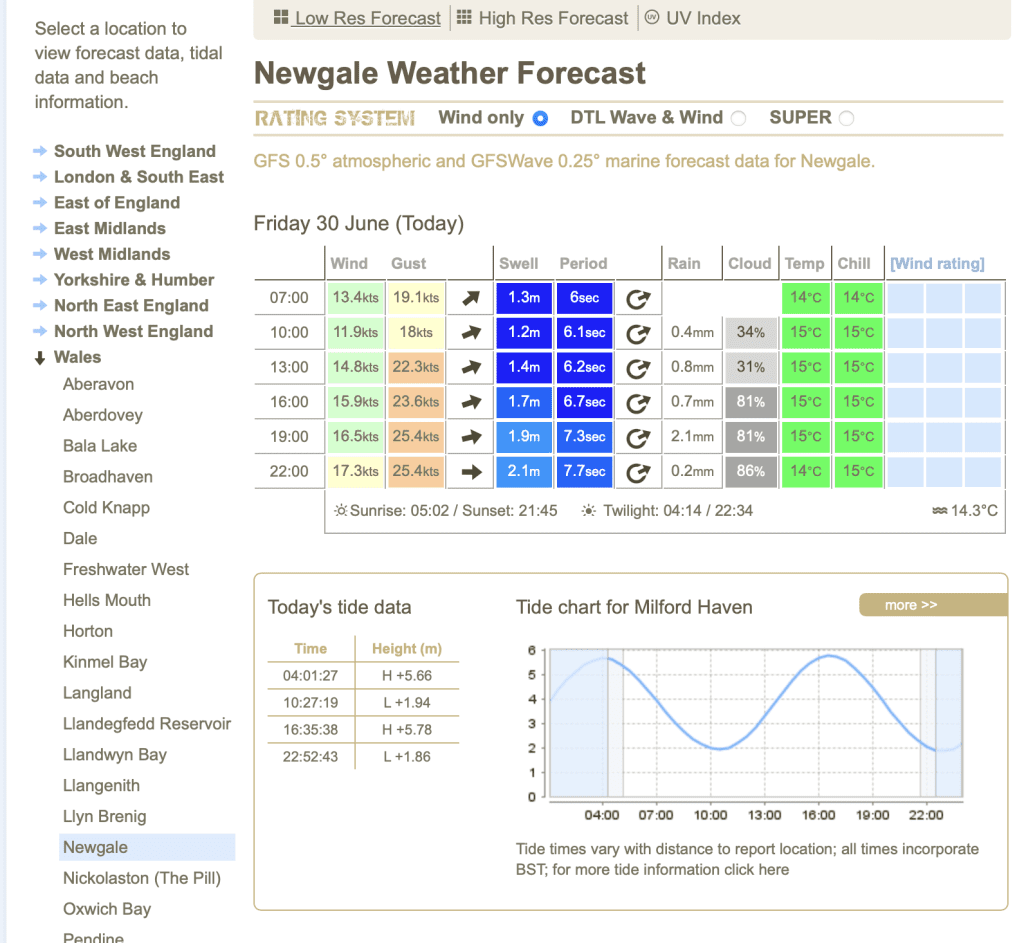
Note that sea conditions can change fairly quickly so it’s definitely worth re-checking the conditions the night before you go and even on the morning of the paddle before you set off to make sure it’s still safe to go.
As a general rule, we do not go out on the sea if the predicted swell is more than about 0.8 meters at most or if the wind is going to be more than 20mph.
We even use webcams to get a real time view of what the sea is like for somewhere on our planned route.

It’s not always possible to find a webcam on the route itself but if not then you can usually find a webcam for a nearby location.
6. TIDES & TIDE RACES
When kayaking on the sea, on estuaries or other tidal sections of river, the tide times can be crucial.
There are some sections of the coast where you have to go with the tide since they are so tidal they you would struggle to go against it.
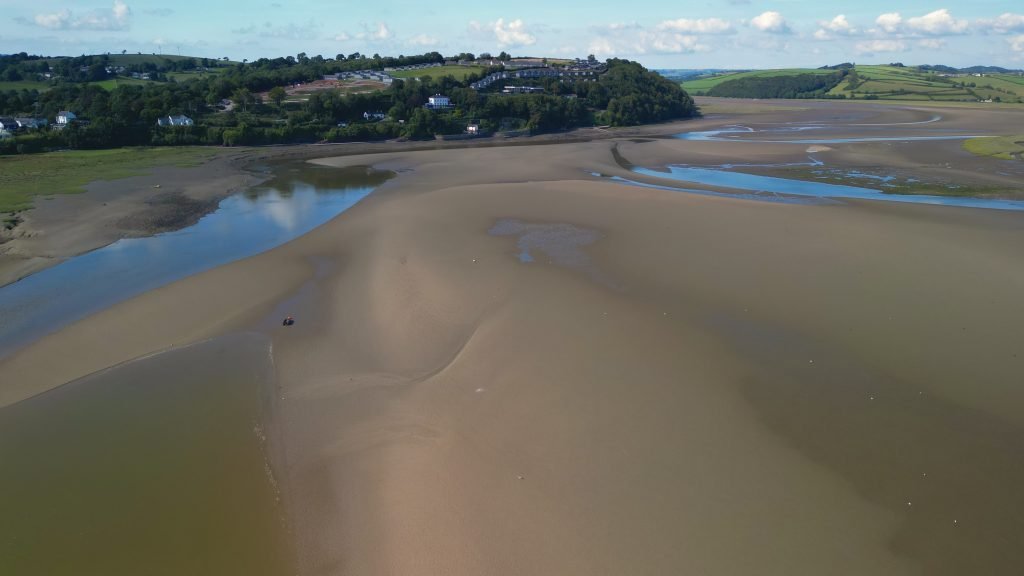
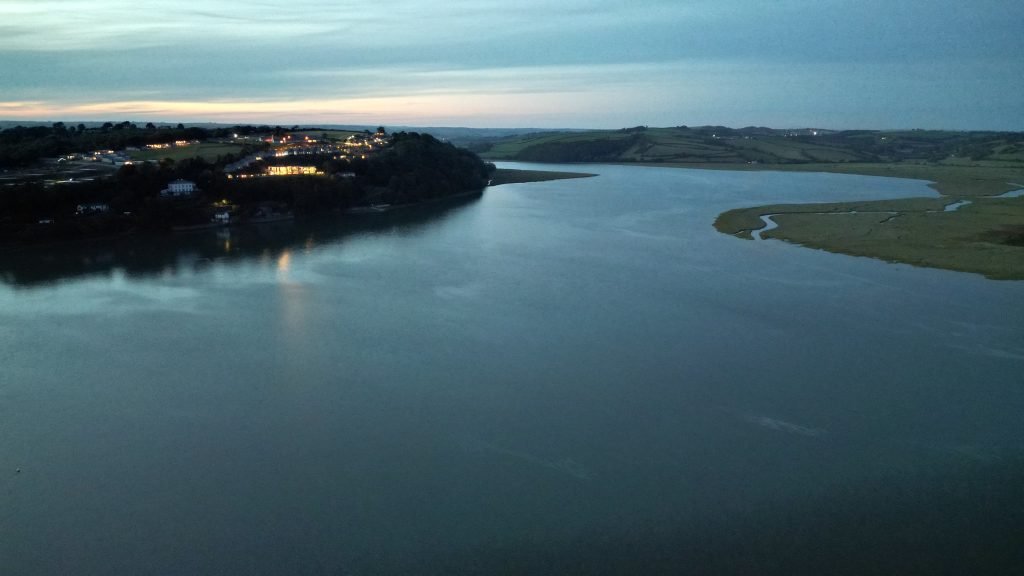
For example, we are gradually paddling our way around all of the Wales Coast and much of the South Wales coast is very tidal and we would only contemplate going with the tide there, especially on the South East Wales coast.
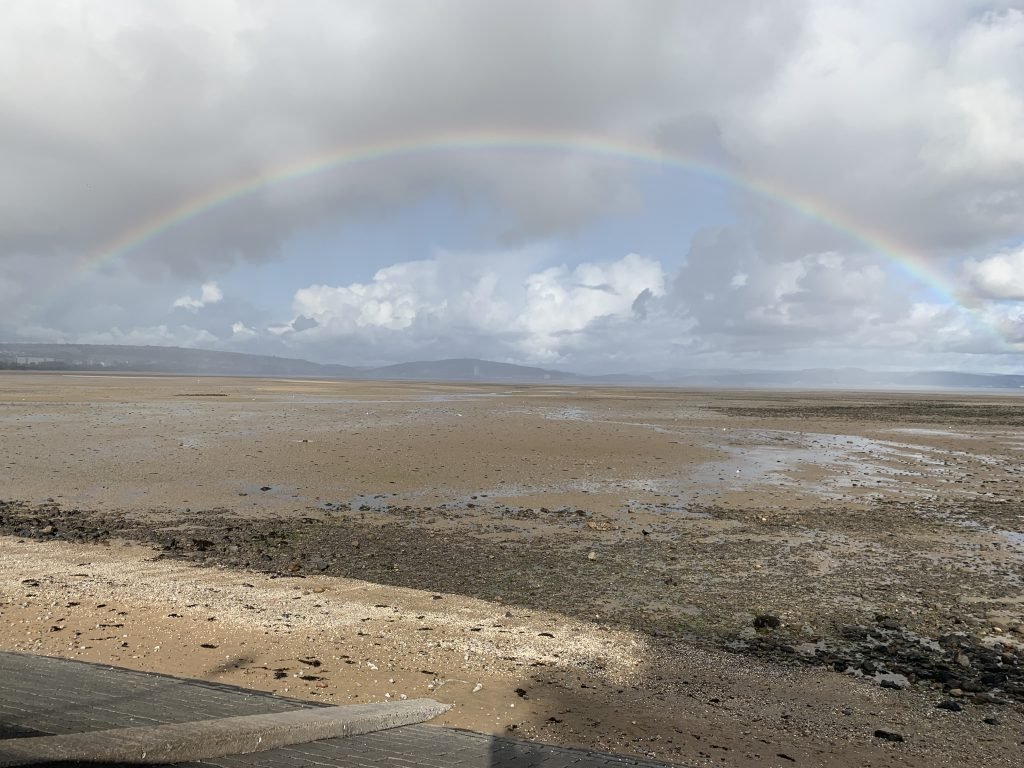
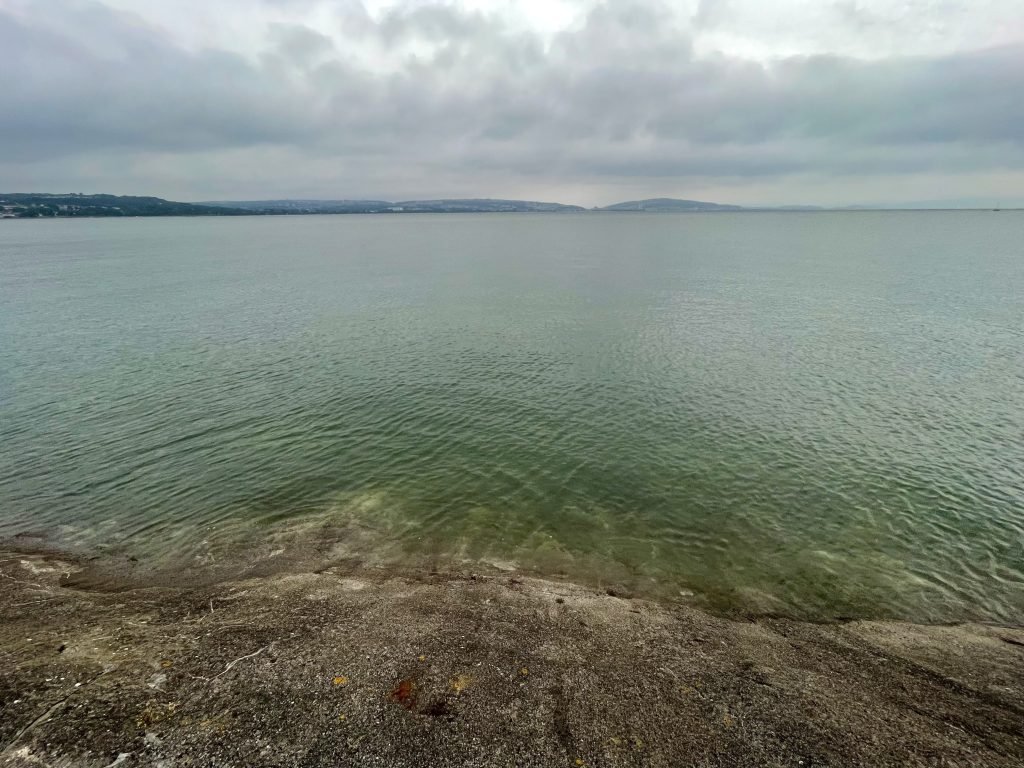
However, on much of Cardigan Bay on the West Wales coast, tide is no where near as much of a factor and while it’s still preferable to go with the tide there, we have on many occasions done routes where we’ve paddled against the tide for at least some of the trip.
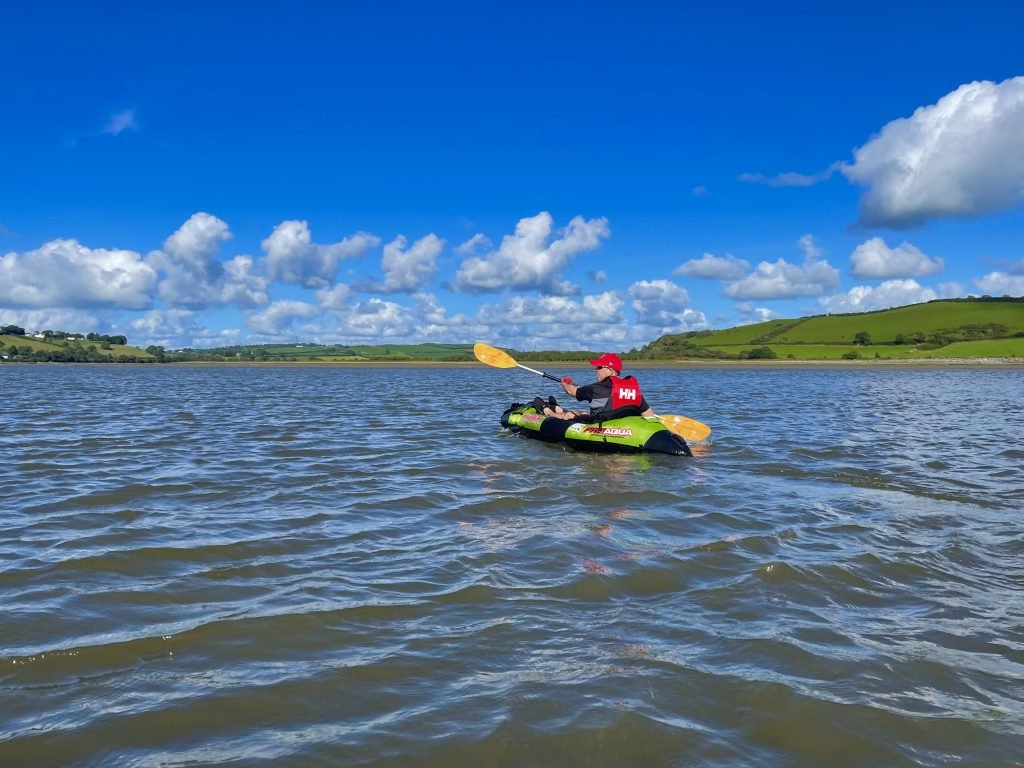
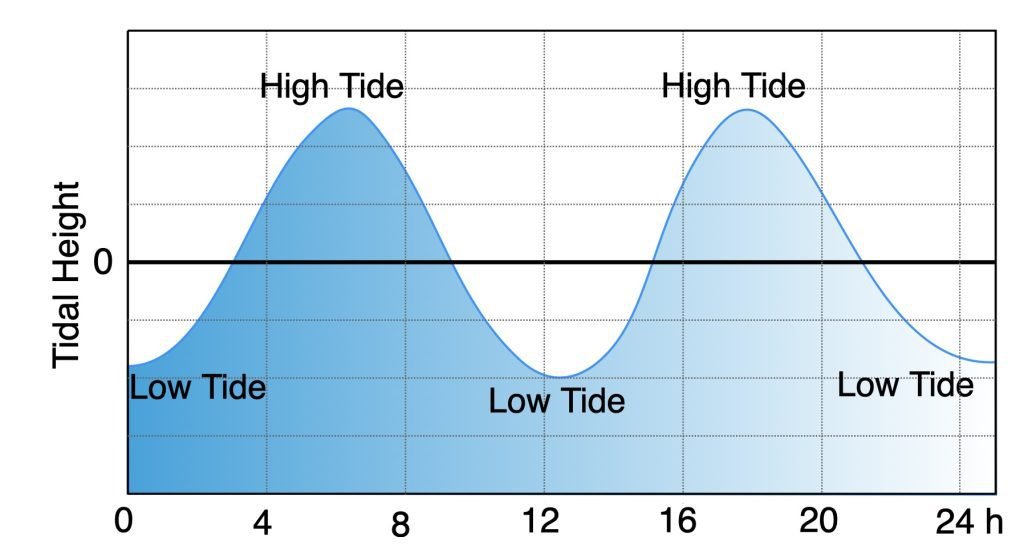
Remember, the tides generally run in cycles of about 6 hours, so there 2 high tides and 2 low tides every 24 hours and there iis usually about 6 hours between each high tide and each low tide.
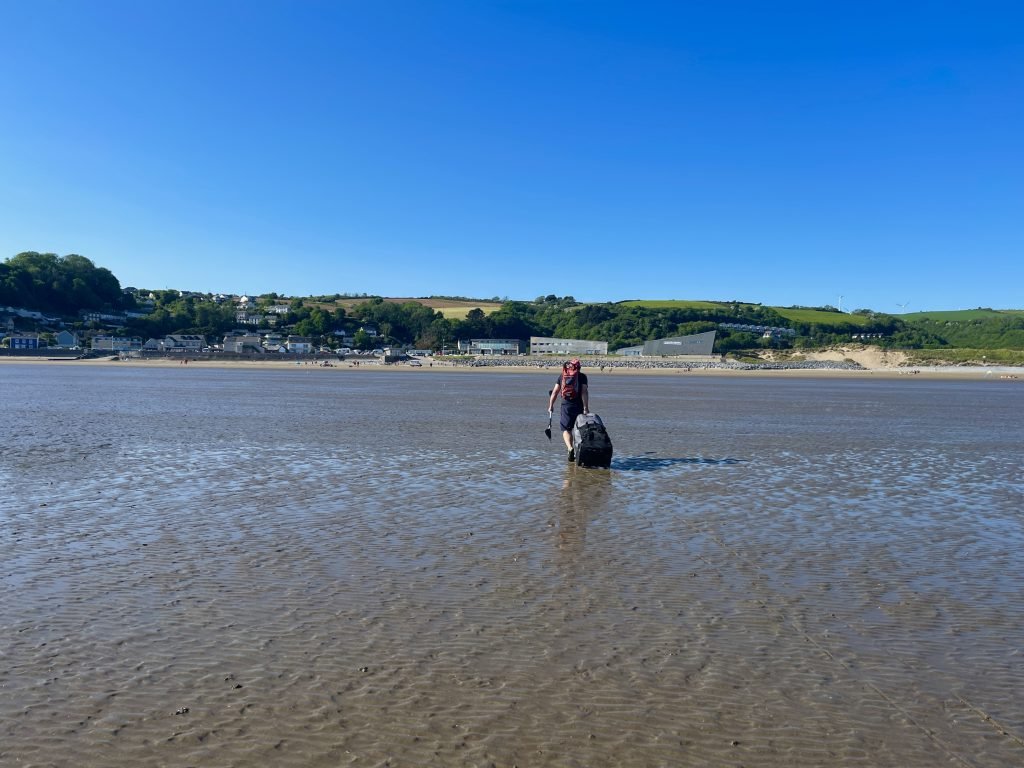
Also, some very tidal stretches of coast have beaches where you can have to carry or wheel your kayak hundreds of meters from the water to the top of the beach when the tide is out or very low.
Another thing to watch out for is sections of the coast where there is what is called a tide race.
Tide races are usually shallower section of the sea where the water speeds up as the tide runs over the shallows.
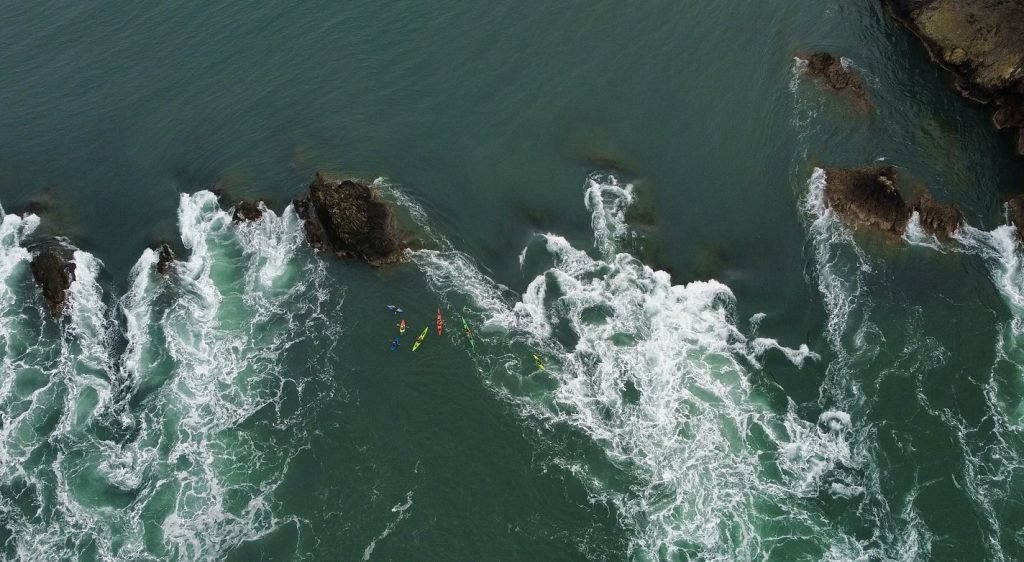
Tide races also commonly form in the channel between the mainland and an island, as the water funnels through the channel, which can result in a fast flowing and often turbulent stretch of water.
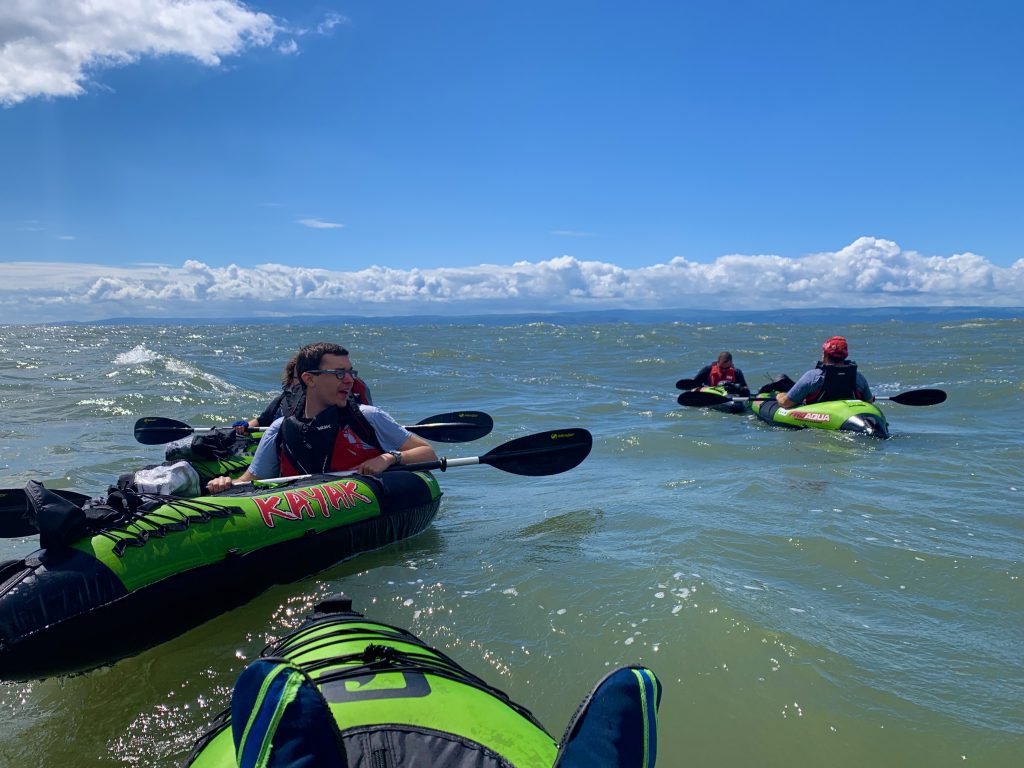
We have encountered numerous such tide races on our coastal kayaks and in general terms, you should try and paddle them within an hour or 2 either side of high tide.
At the time of writing this blog, we’ve yet to undertake one of the extreme tide races like The Bitches, Portland Bill in Forest or the Menai Straights in North Wales.
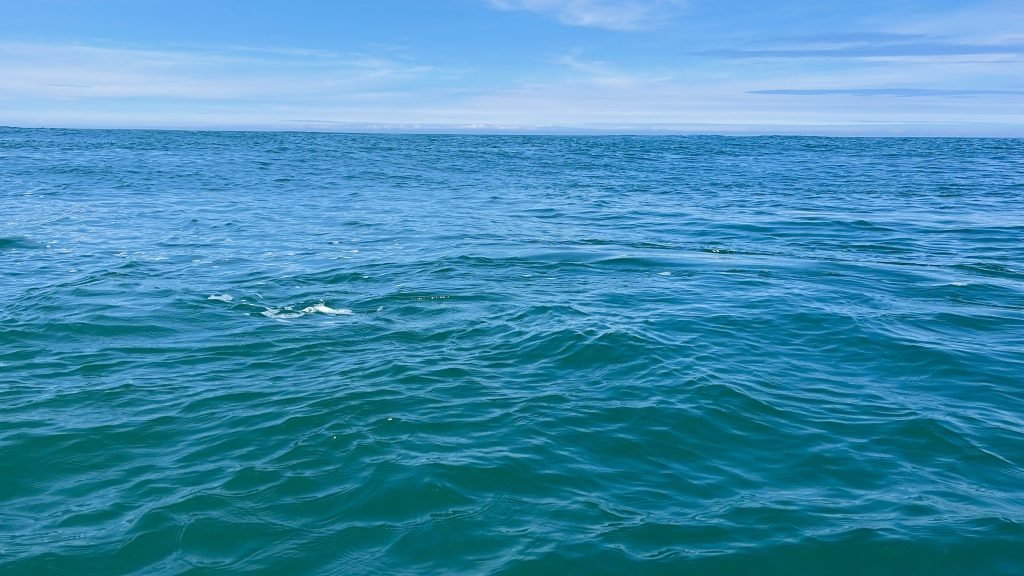
However, we have had some quite hairy moments on some of the more mainstream tide races such as Nash Point in the Vale of Glamorgan, Caldey Sound near Tenby and a few others.
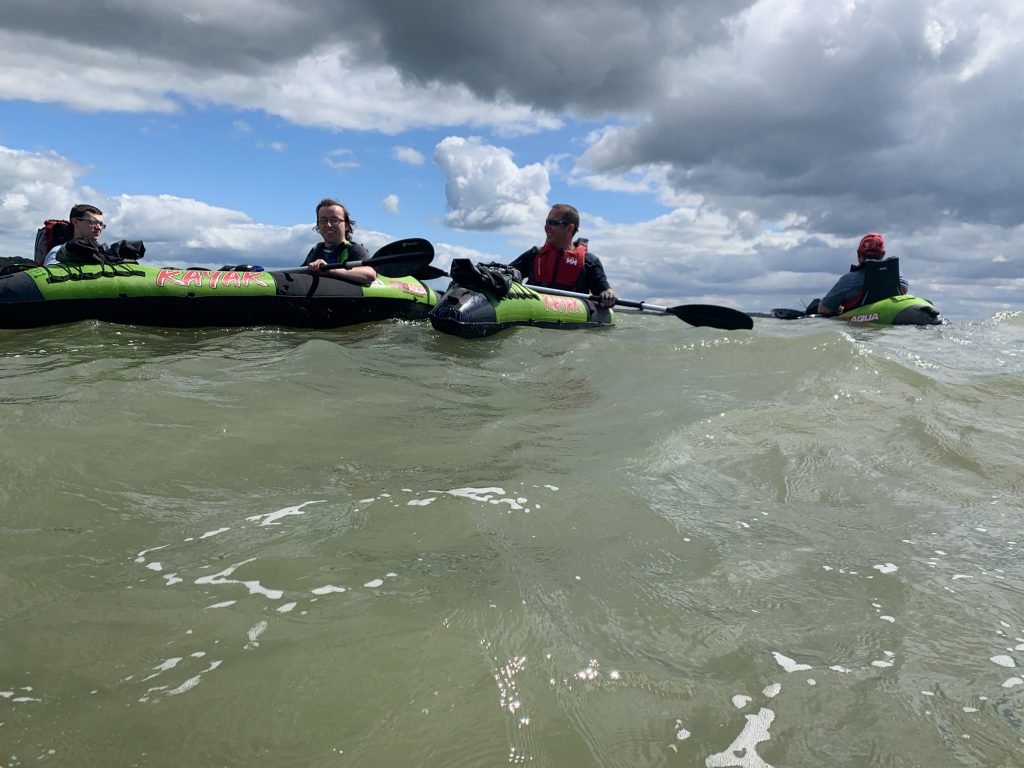
On estuaries, tide is crucial, since almost all estuaries have a strong tidal current and you pretty much have to either go up them with the incoming tide or go down them with the outgoing tide.
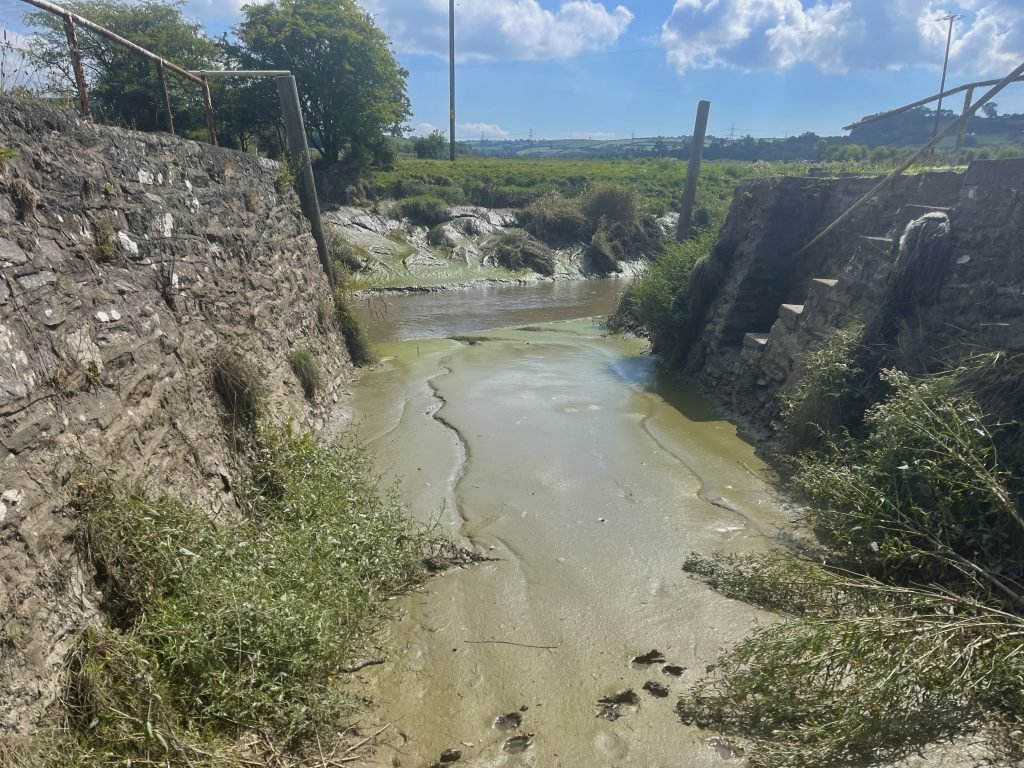
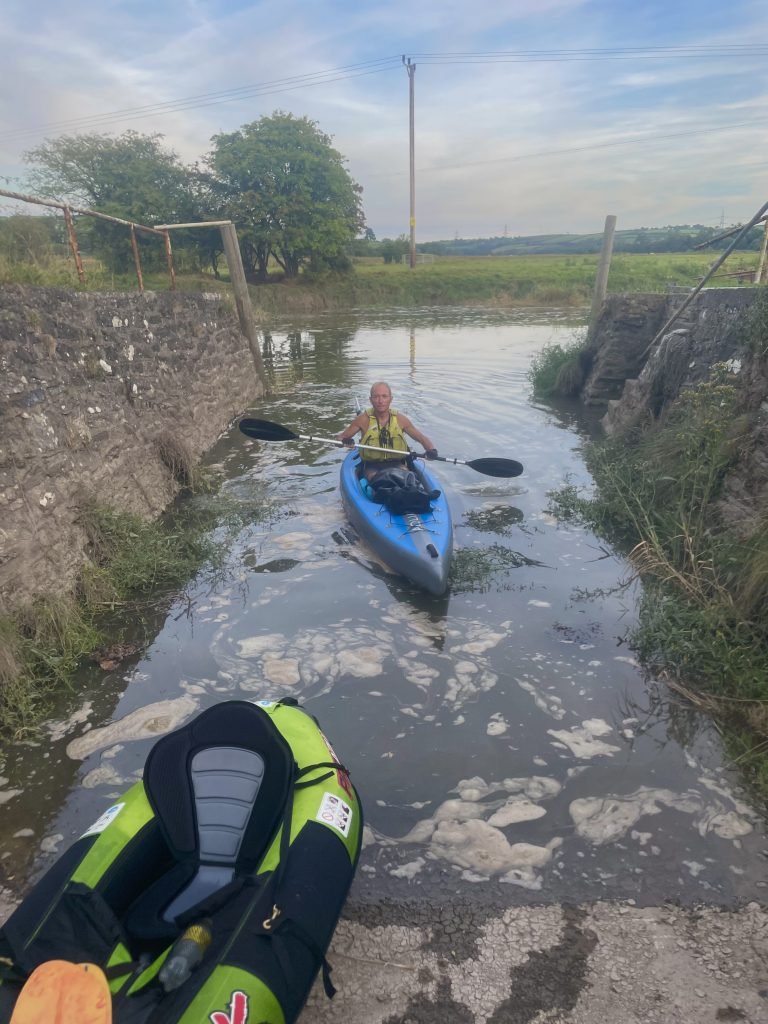
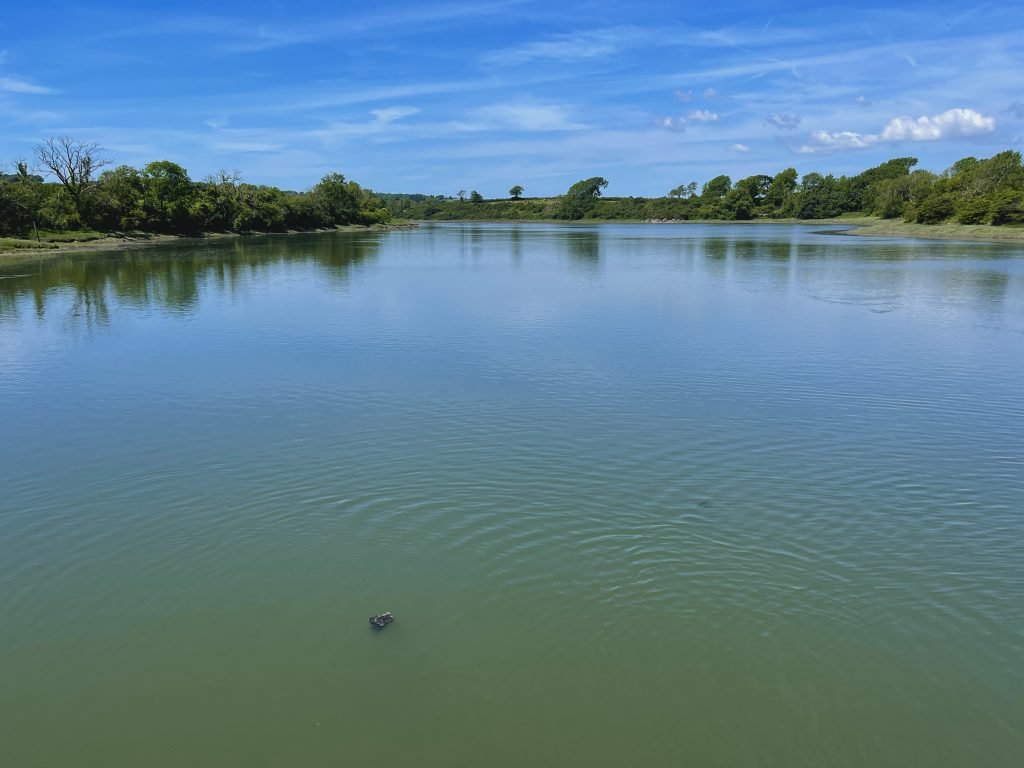
Another issue with estuaries is that they can empty out to a large degree for up to 2 or 3 hours either side of high tide, exposing many sandbanks and mudflats.
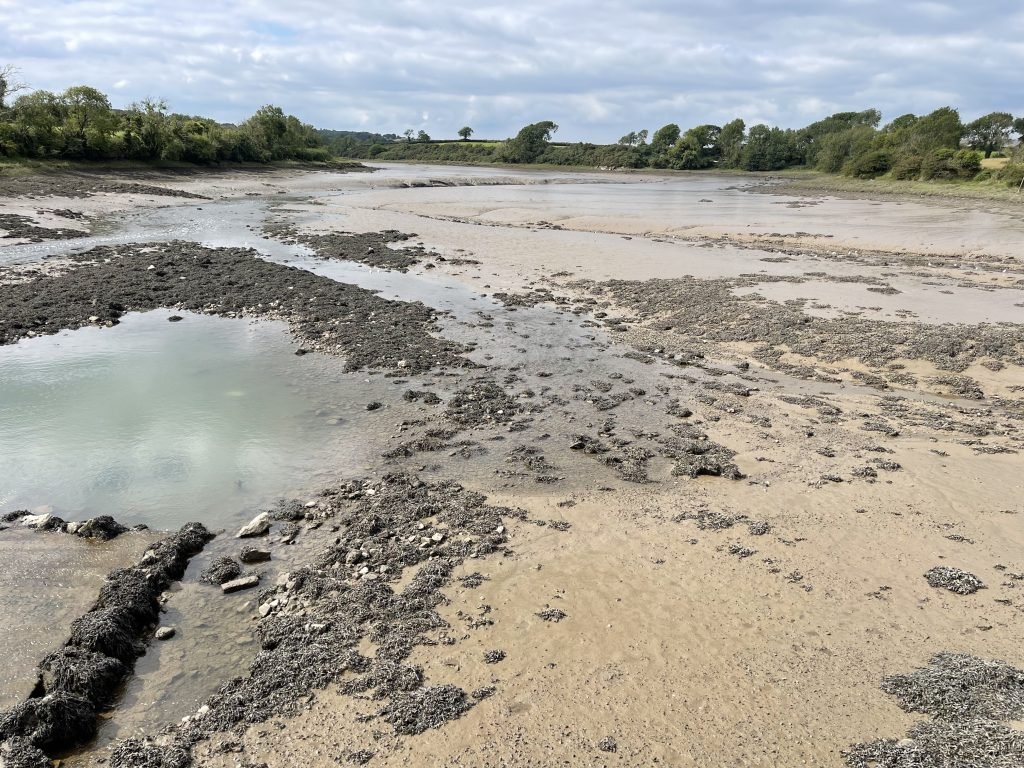
On some estuaries, it can become almost impossible to land or launch within 2 hours either of low tide because the banks become impassible strips of estuarine sand or mud.
7. STAY CLOSE TO THE SHORE
As you will gather, a lot of our top tips are safety focused.
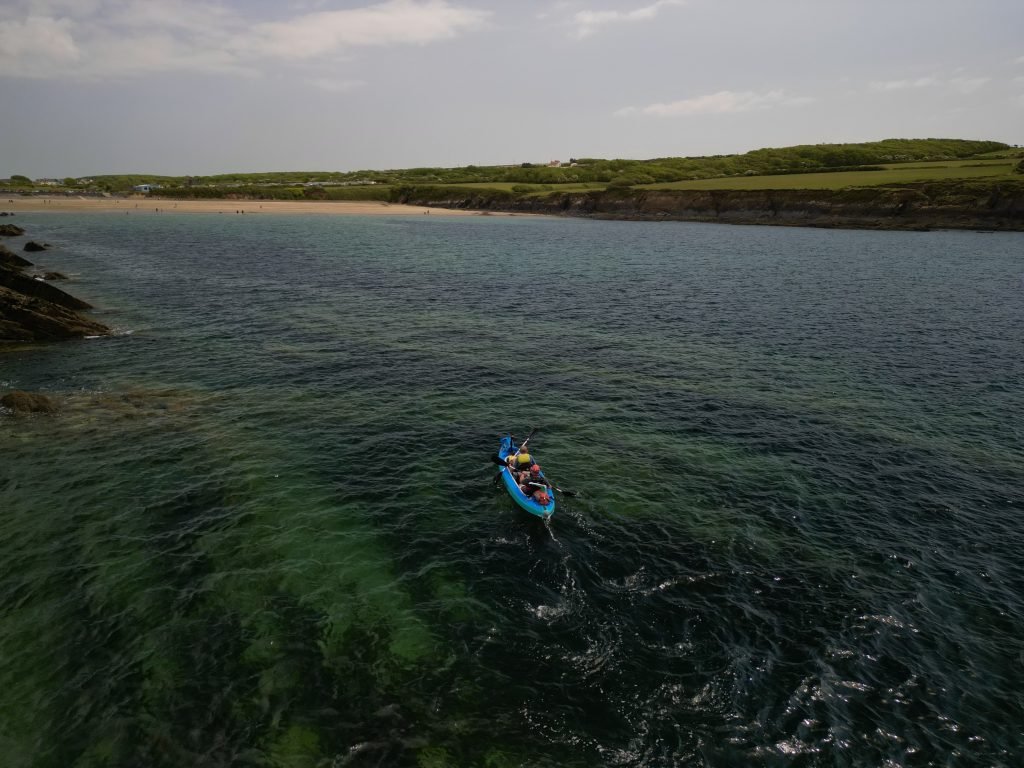
On sea kayaks, we would suggest staying within 200-300 meters of the shore in most cases, since the further out you go, the more chance there is of things going wrong.

You need to be particularly careful where there is an offshore wind since this can blow you out to sea.
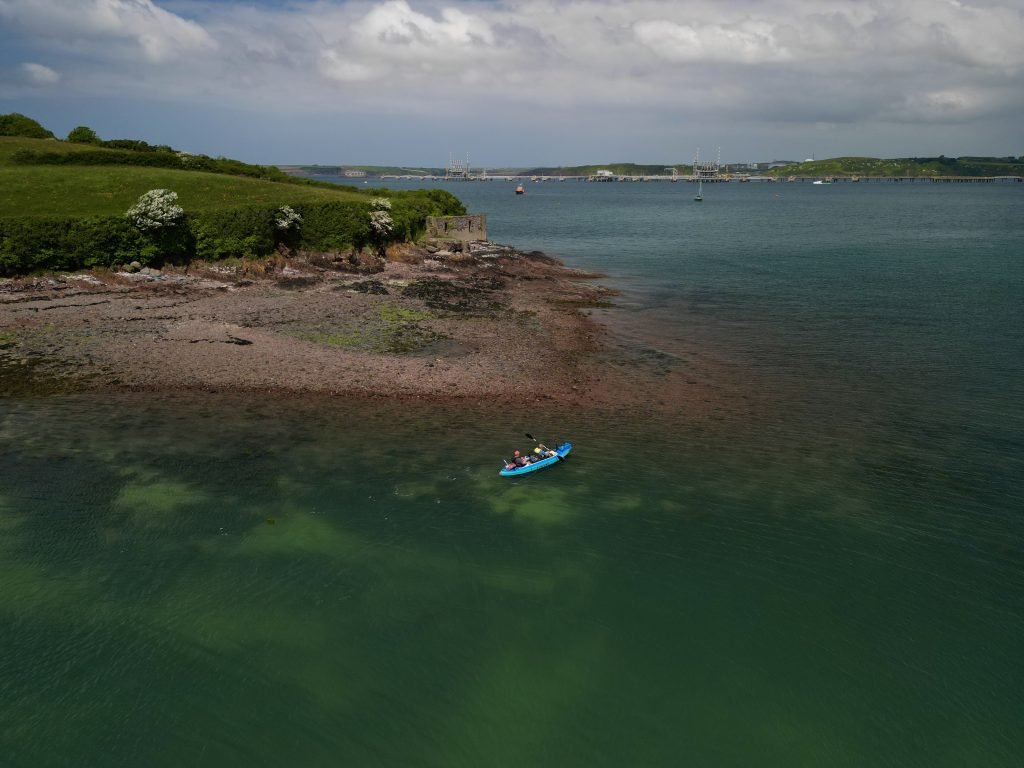
We have on a few occasions been caught out by the tide and wind and found ourselves paddling for our lives to get back to the shore.

Touch wood though, we’ve always survived to tell the tale and haven’t had to call the coastguard out – not yet anyhow.

If it’s very calm day on the sea with very light winds then we will sometime venture out further but in general terms, the closer you are to the shore, the safer you will be.
8. RIVER LEVELS
This is an issue peculiar to kayaking on non tidal rivers but it is an important factor.
We would suggest that you always check the water level of any non-tidal river before you plan a kayak on it.
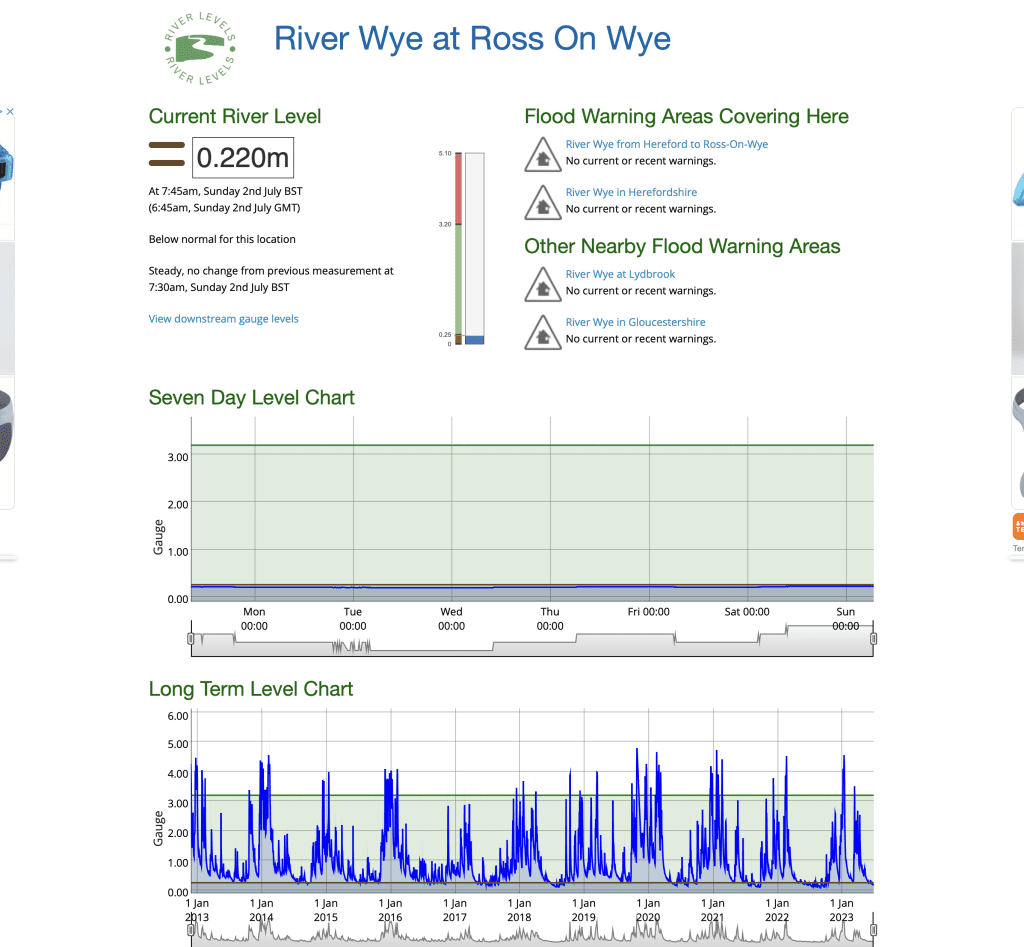
We use the website riverlevels.uk which has live readings for gauging stations along most rivers.
Its important to check that the water level is not so high as to make the river potentially dangerous to paddle on the day when you intend to go due to the volume and speed of the flow. This can often happen after heavy rain.
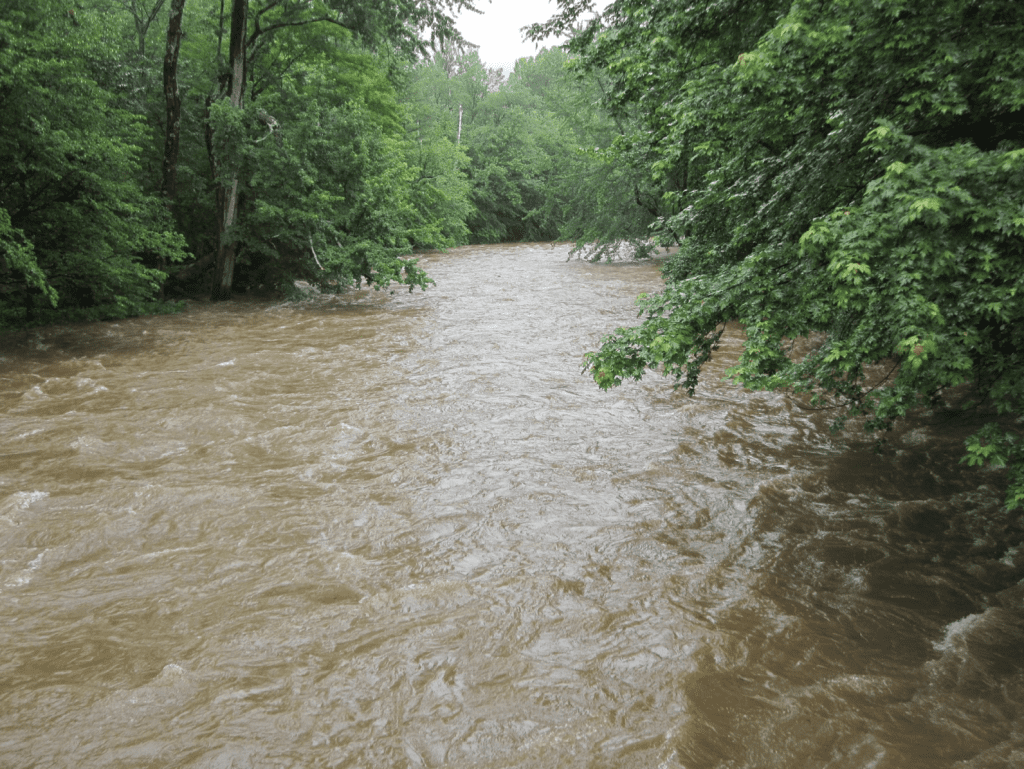
The water levels are generally safe when they are comfortably within the ‘normal’ range which comprises the green part of the gauge graphic.
If the water level is near or in the red zone, it will likely be very dangerous to paddle the river because of excessive water flows.
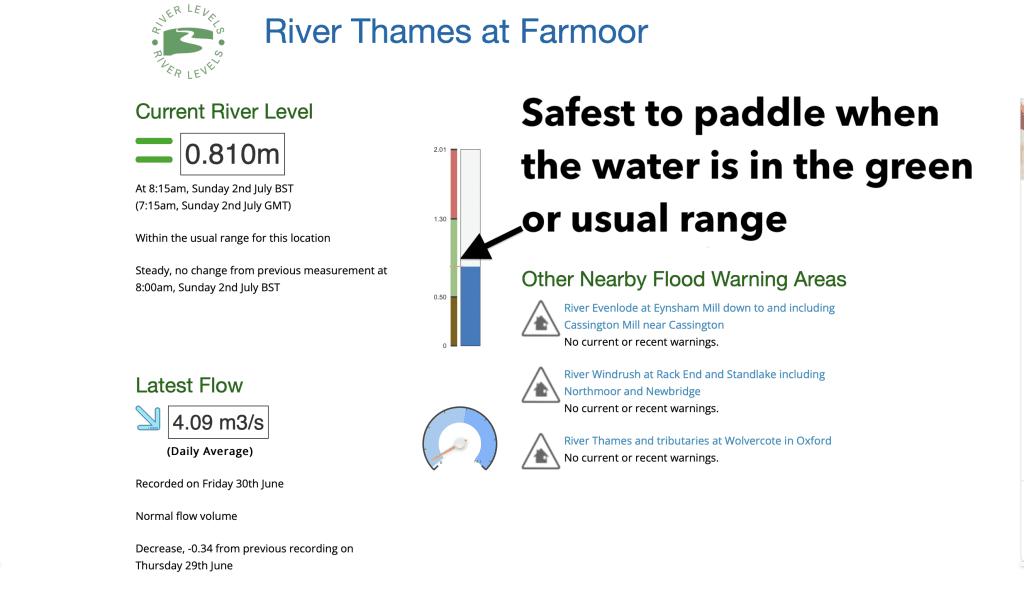
At the other end of the spectrum, we have also paddled once on the Wye when the water level was very low, almost in the brown segment below the usual range and we found ourselves hitting lots of rocks under the water and bottoming out a lot because the river was so shallow.

9. WHERE CAN YOU KAYAK?
Kayaking on the sea
While you can kayak almost anywhere on the sea, there are some locations where in fact some areas which are military firing ranges and where all vessels, including kayaks, are now allowed to enter during the times when the firing ranges are operational.
We actually found this out the hard way when we once paddled down in Pembrokeshire and unwittingly entered the Castle Martin firing range prohibited zone.
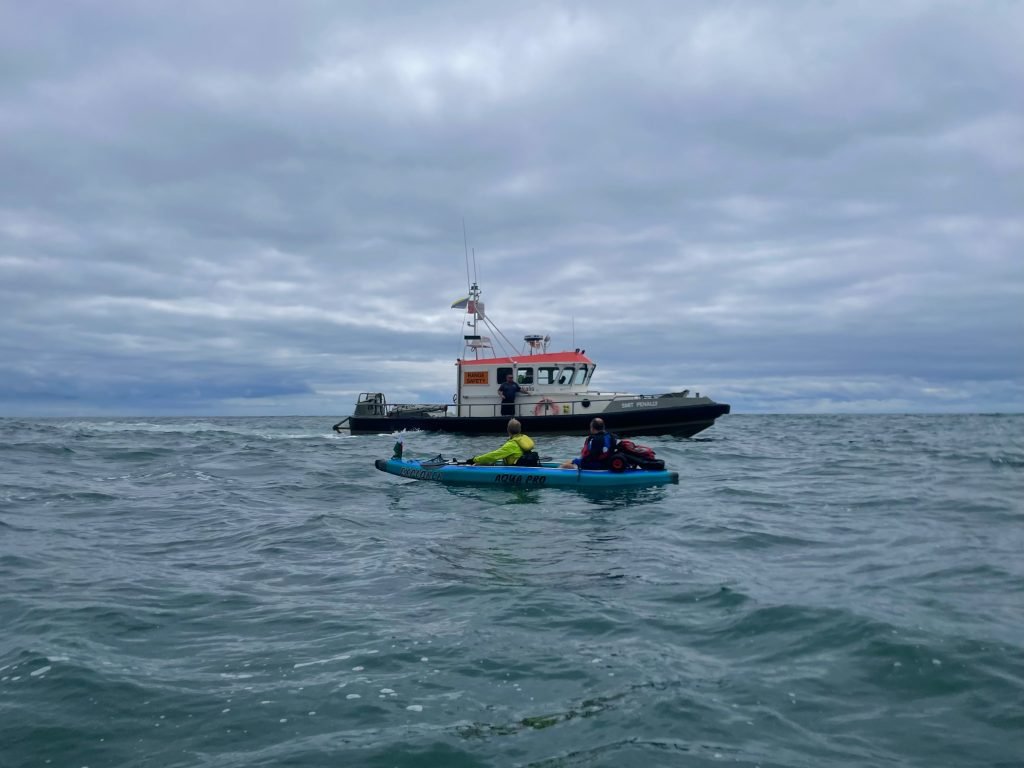
We were politely asked to leave the area by one of the firing range safety boats who came out to us.
These firing range zones are fairly few and far between but it is worth being aware of them. You can check out a list of the firing notices for all of the military ranges in the UK at this website.
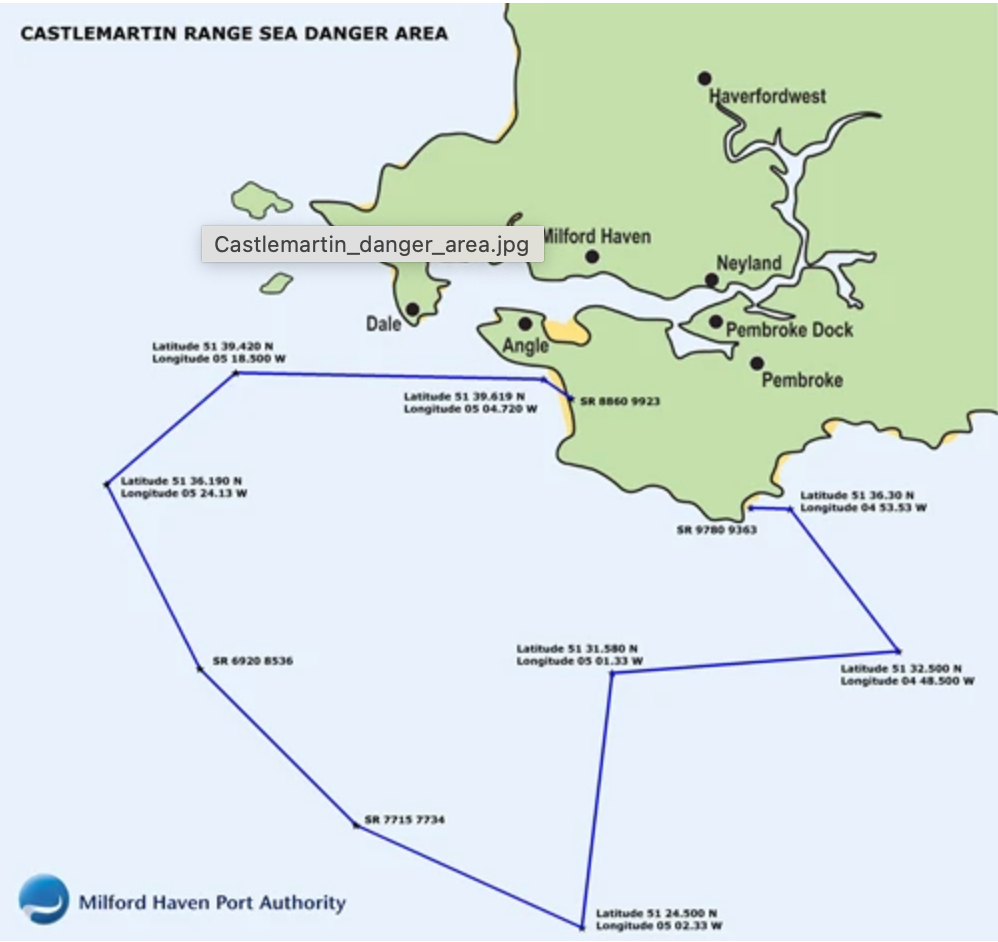
Such firing ranges only tend to operate on weekdays which means you can normally paddle in them on the weekends but always check before you go.
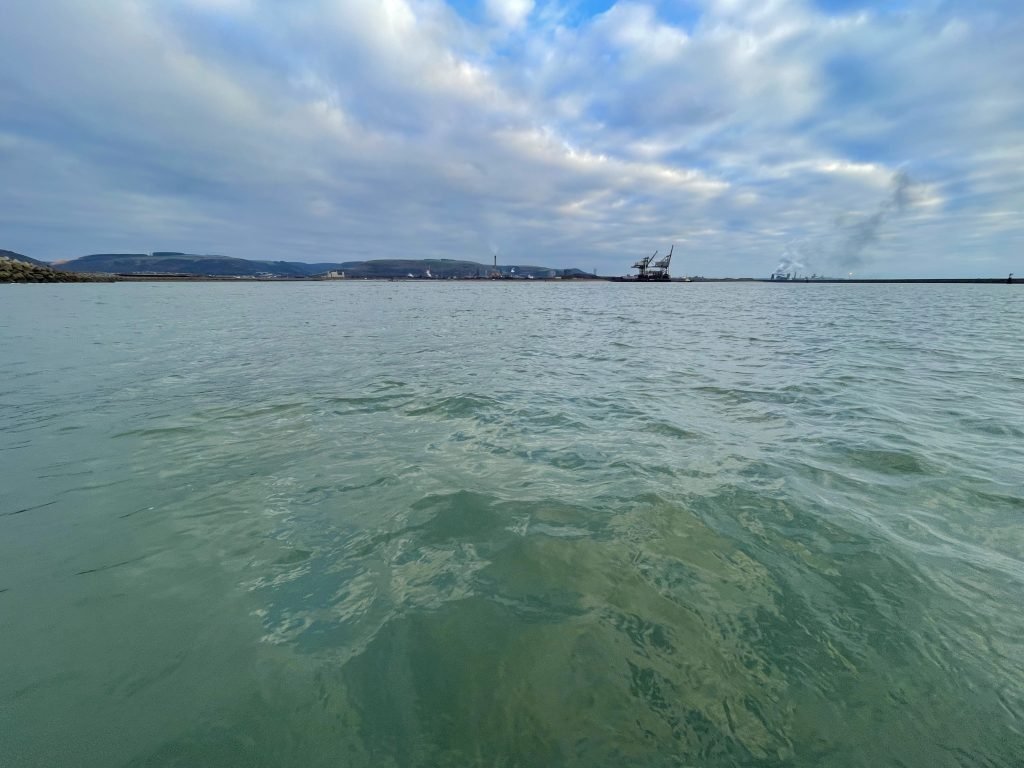
The other thing to bear in mind is that with ports and harbours, the right to paddle in them is at the discretion of the harbourmaster. Many industrial ports do not allow kayakers to paddle inside of them.
Kayaking on tidal rivers
Regarding estuaries and rivers, in the UK you have a right to paddle up to the extent of the tidal range.
Any tidal area in the UK is generally owned by the Crown, and as such the general public have a presumed right of navigation over it. This means access agreements are not necessary on tidal sections of rivers, estuaries or indeed the sea itself.
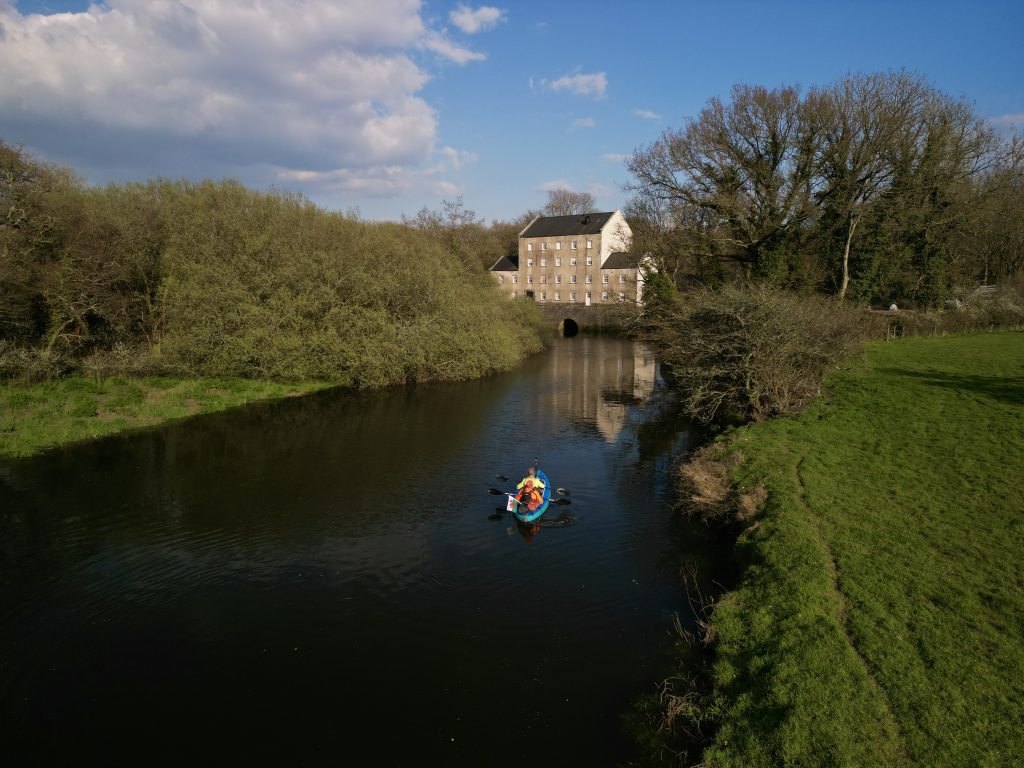
In nearly all cases there is a Public Right of Navigation (PRN) on tidal waters. This includes the seas, estuaries and tidal rivers – up to their historic Normal Tidal Limit (NTL).
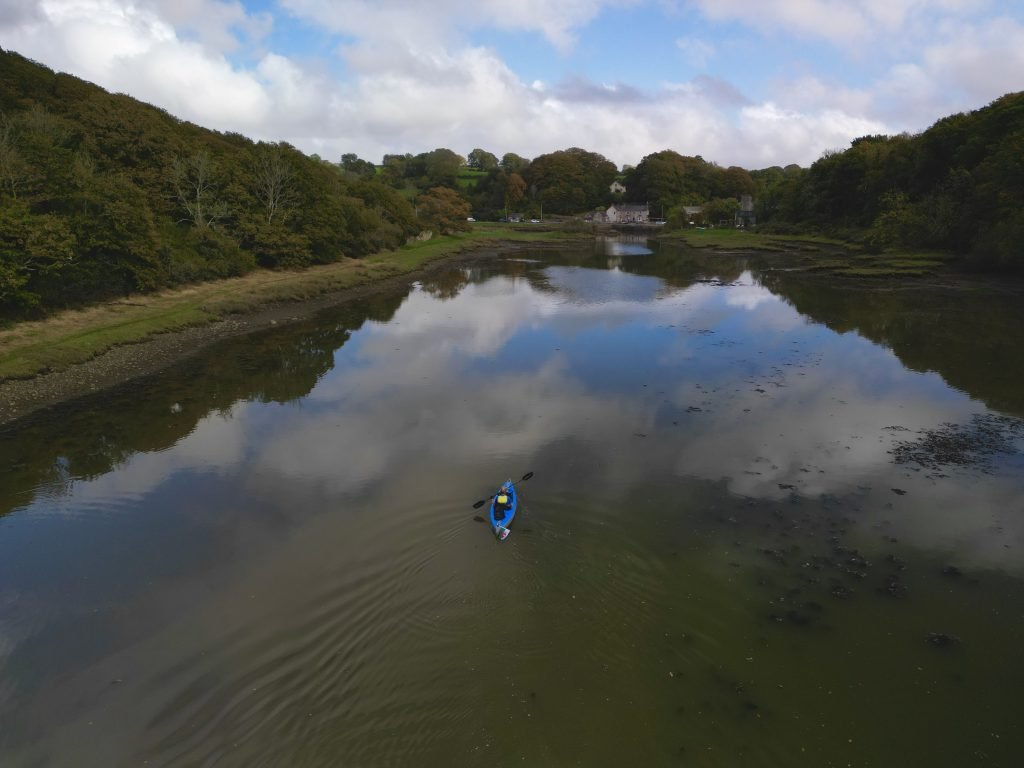
Where a river’s tidal limit has by altered by the building of weirs, sluices or other structures the historic (or natural, unrestricted) NTL is the relevant limit.
You are thus entitled to paddle on sections of estuaries or rivers up to the extent of their tidal limit and can land or launch on them too.
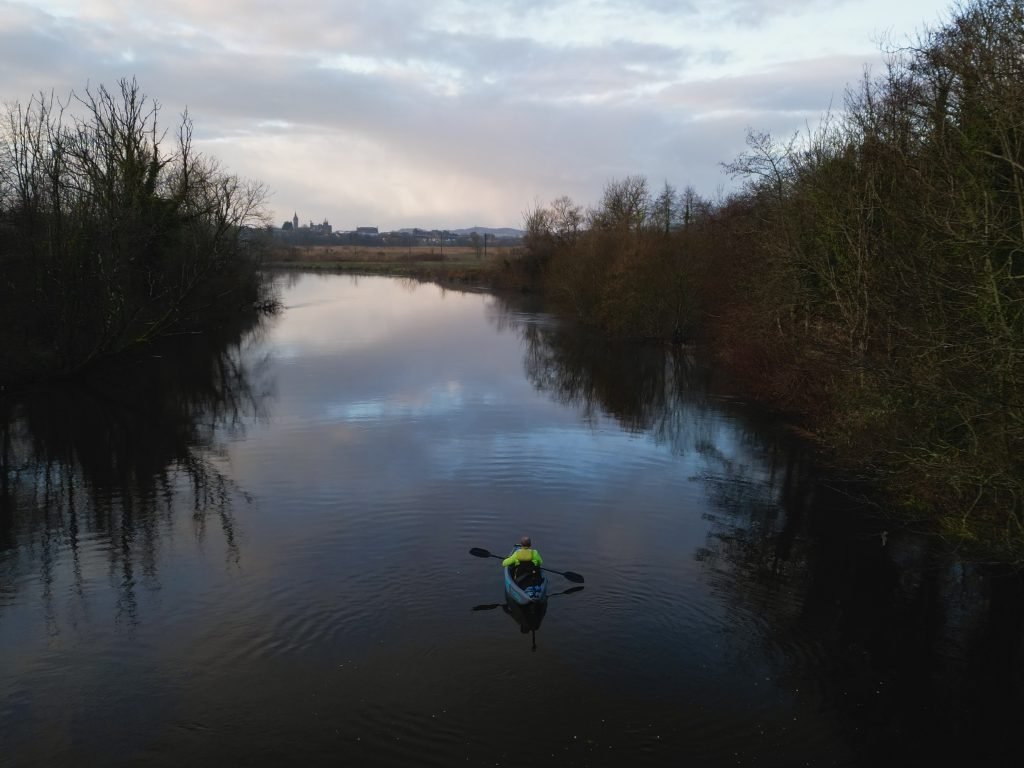
Canals and Non tidal sections of rivers
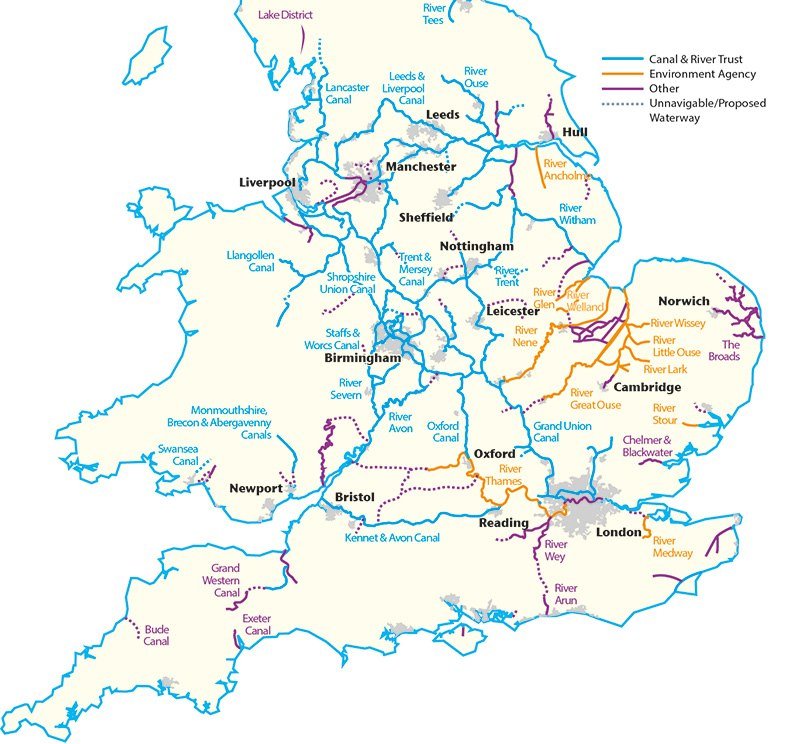
Regarding non tidal sections of rivers above the tidal limit and canals, it depends firstly whether the river or canal in question is one where there is a right of navigation subject to acquiring a Waterways Licence.
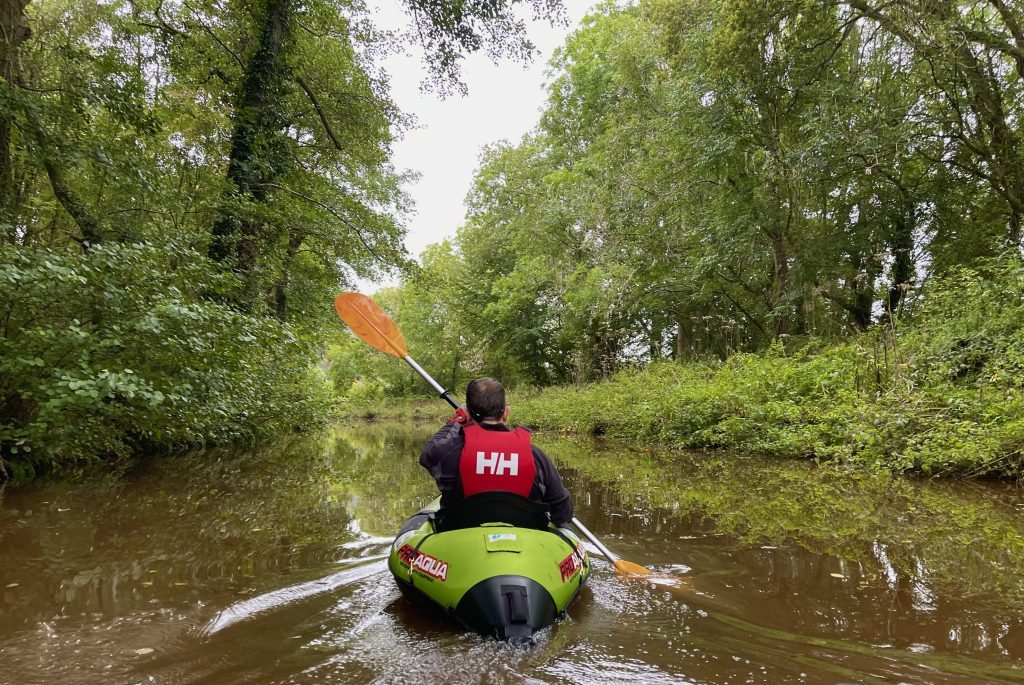
If the section of river or canal is one of the ones covered by the Waterways Licence, then as long as you have got one, you are allowed to paddle it.
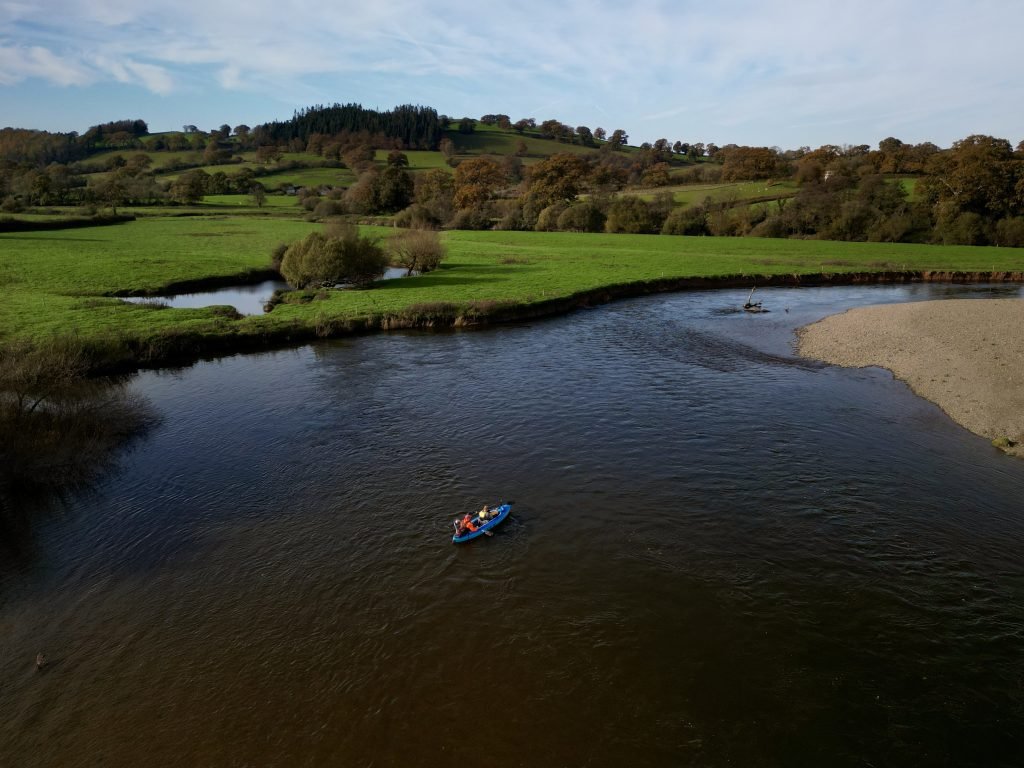
Membership of British Canoeing or Canoe Wales includes the Waterways Licence which entitles you to paddle 4,500 kilometres of waterways in England and Wales.
If the river or canal in question is not one of the ones covered by the Waterways Licence, then the position in the UK is slightly unclear. British Canoeing’s website states that they believe that there is a strong case to demonstrate an existing public right of navigation (PRN) on all navigable rivers.
However, many landowners believe that rivers are private and require permission from the landowner before paddling.
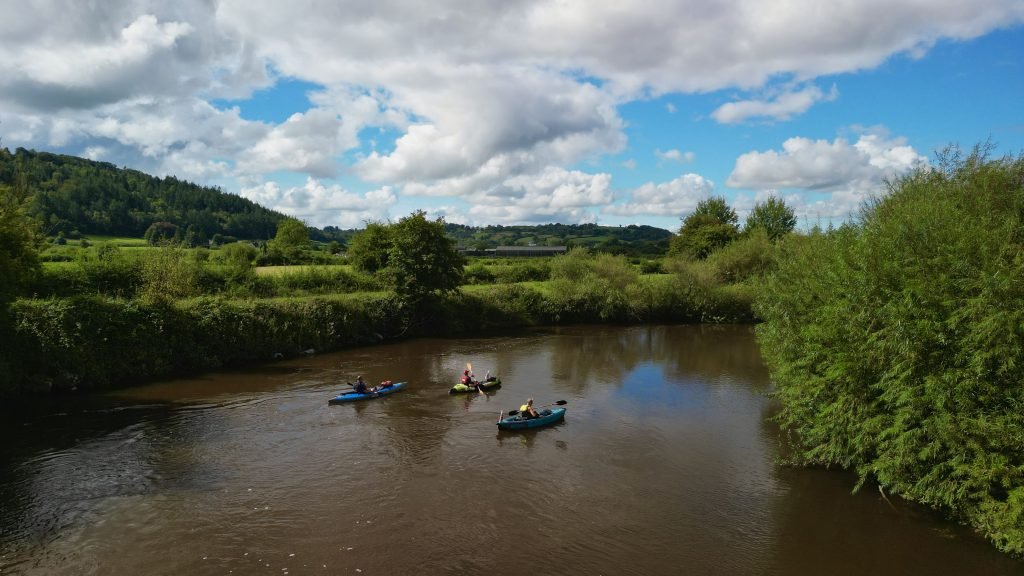
We have paddled on some rivers above the tidal range and which are not covered by the Waterways Licence and haven’t so far had any trouble but I have heard of people getting problems from anglers in such circumstances.
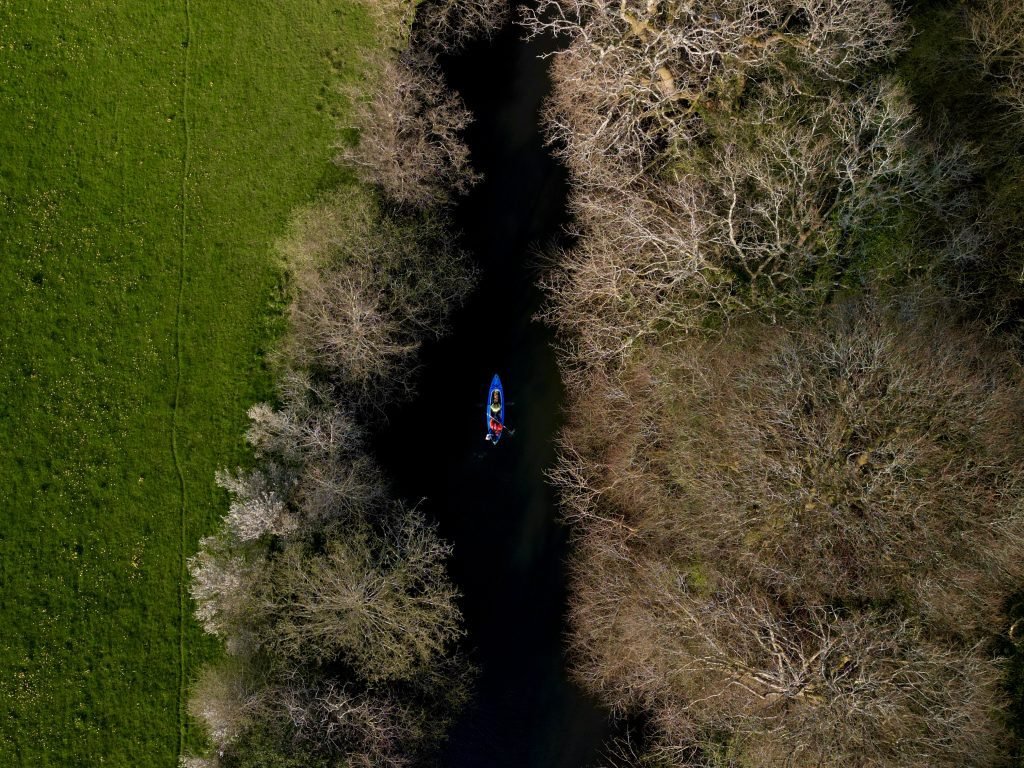
Lakes & Reservoirs
These vary. In the Lake District for example, each of the bodies of water have different rules and bylaws that affect where, when and how you can access the water.
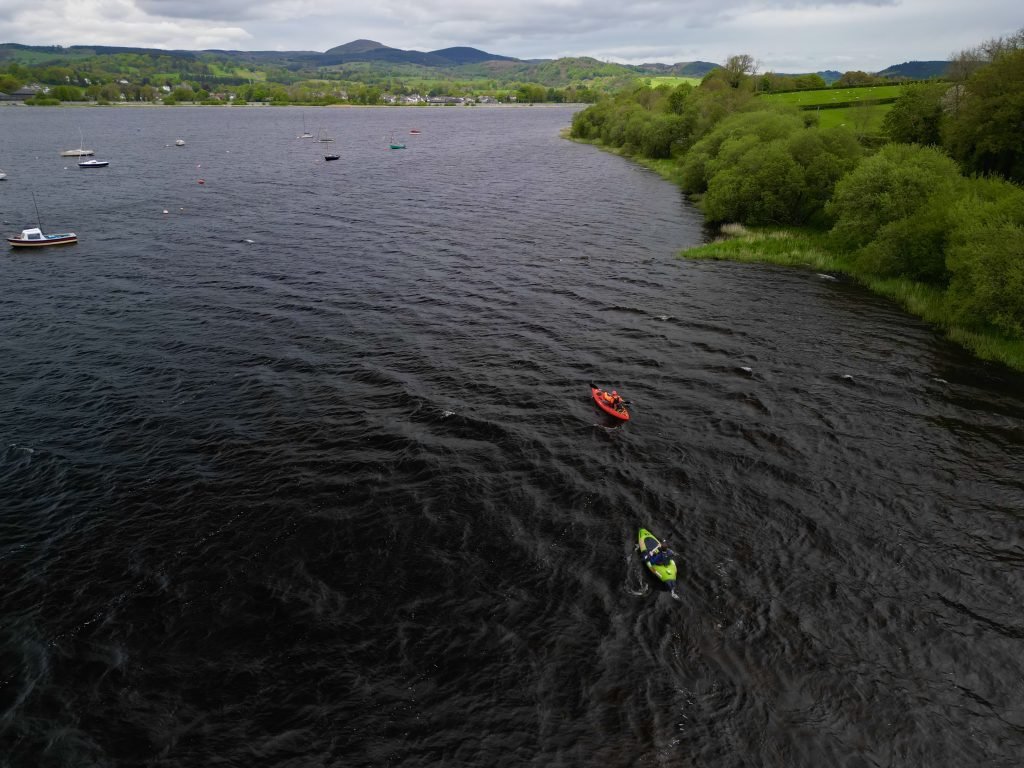
Reservoirs also have different rules, depending on which utilities company who manage them. There are often tight restrictions on access to reservoirs so it is always worth checking in advance before setting out!
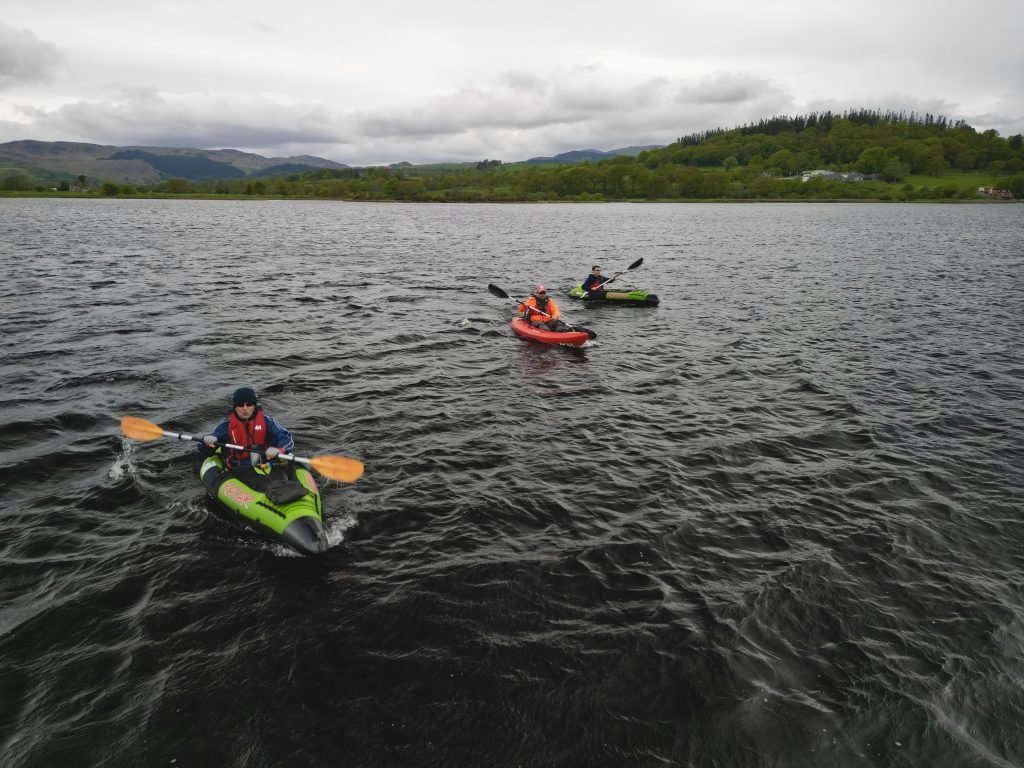
10. KEEP YOUR GEAR SAFE
When out kayaking, you have to bear in mind that your gear in the kayak may get a bit wet from paddle splashes and also from spray and waves breaking over the side of the kayak.
In a worst case scenario, you could tip over with the result that you gears going to end up submerged and unless secured down, you may well lose it altogether!
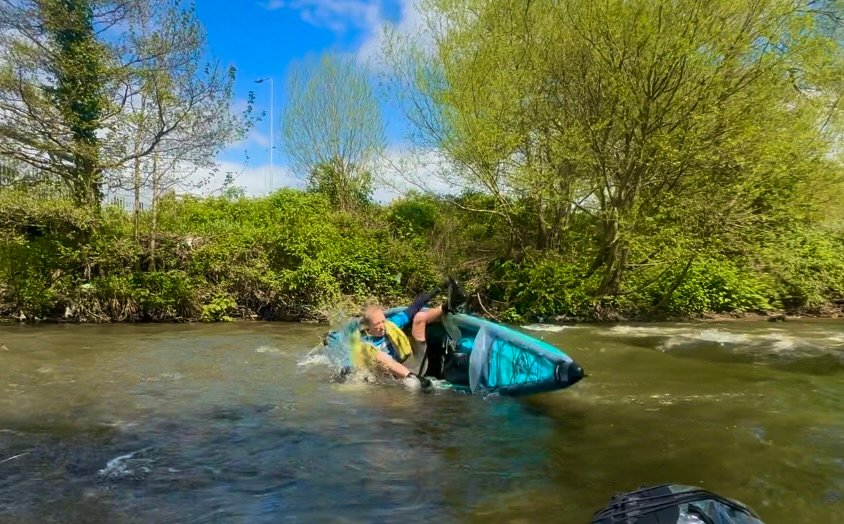
We would therefore stress the importance of keeping anything you want to keep dry within dry bags. Dry bags will keep things like clothes and electrical items dry, but you have to remember to secure the opening of the bag by folding it over at least 3 times.
This creates a waterproof seal at the opening of the bag to stop water ingress, even if the bag is submerged.
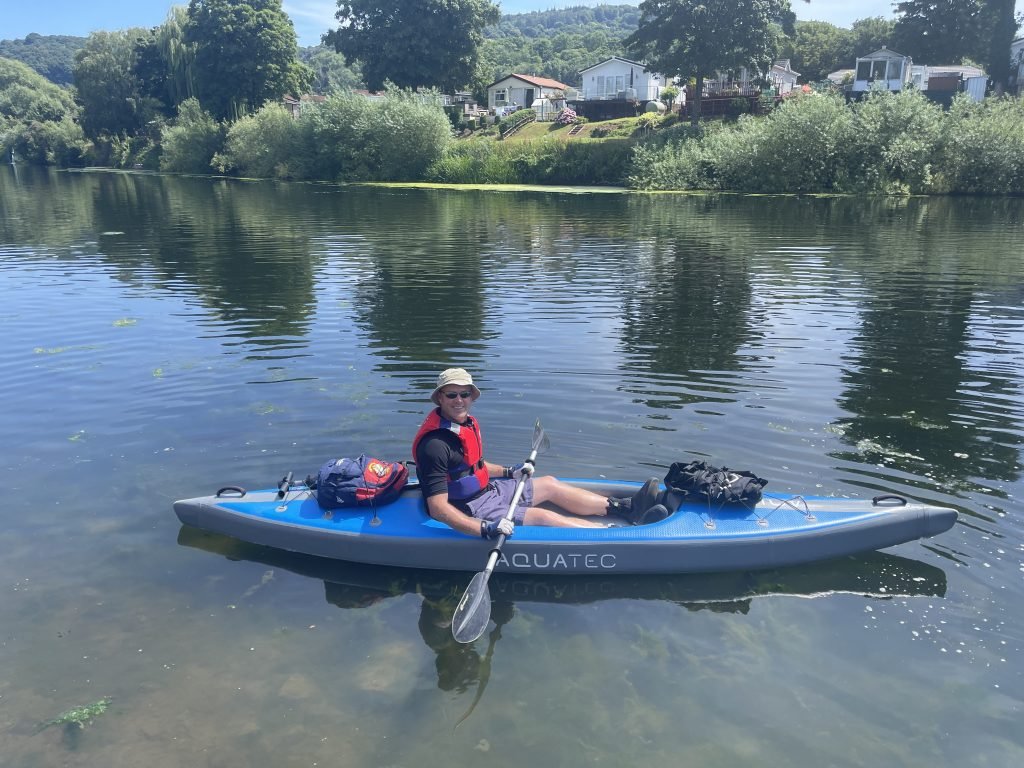
The other issue is ensuring that your bags do not fall or get washed over board or that they come out of the kayak if you do tip over.
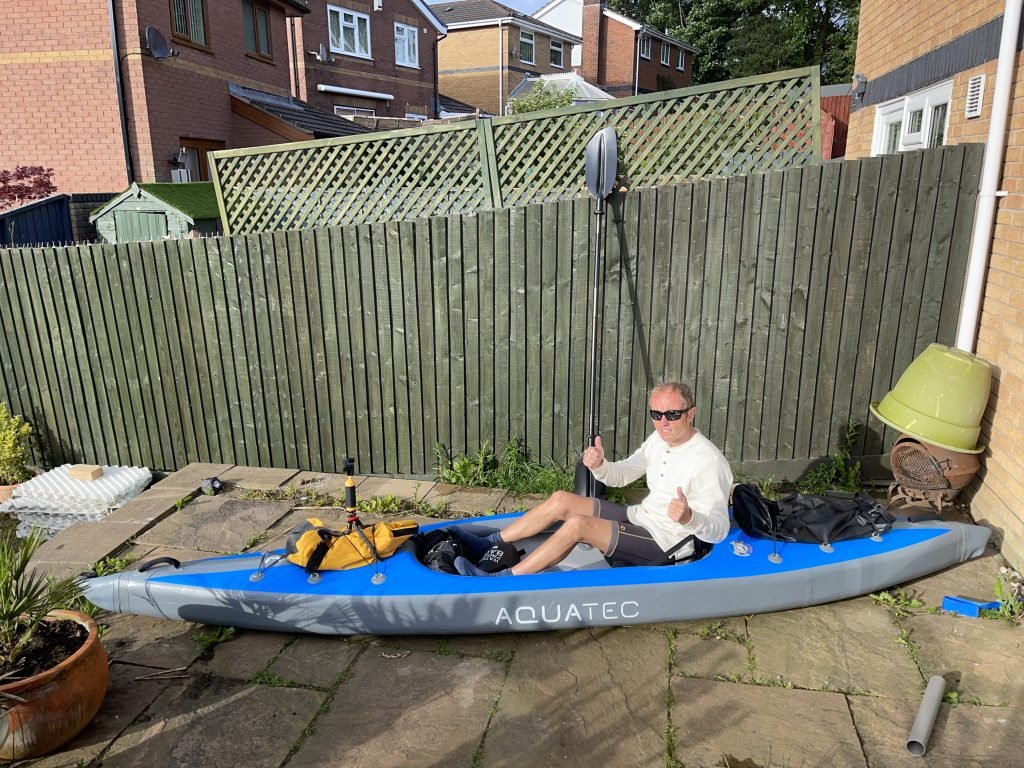
It is therefore important to bungee any bags down. Most kayaks come with in built bungee cords which are usually on the front and rear decks of the kayak.
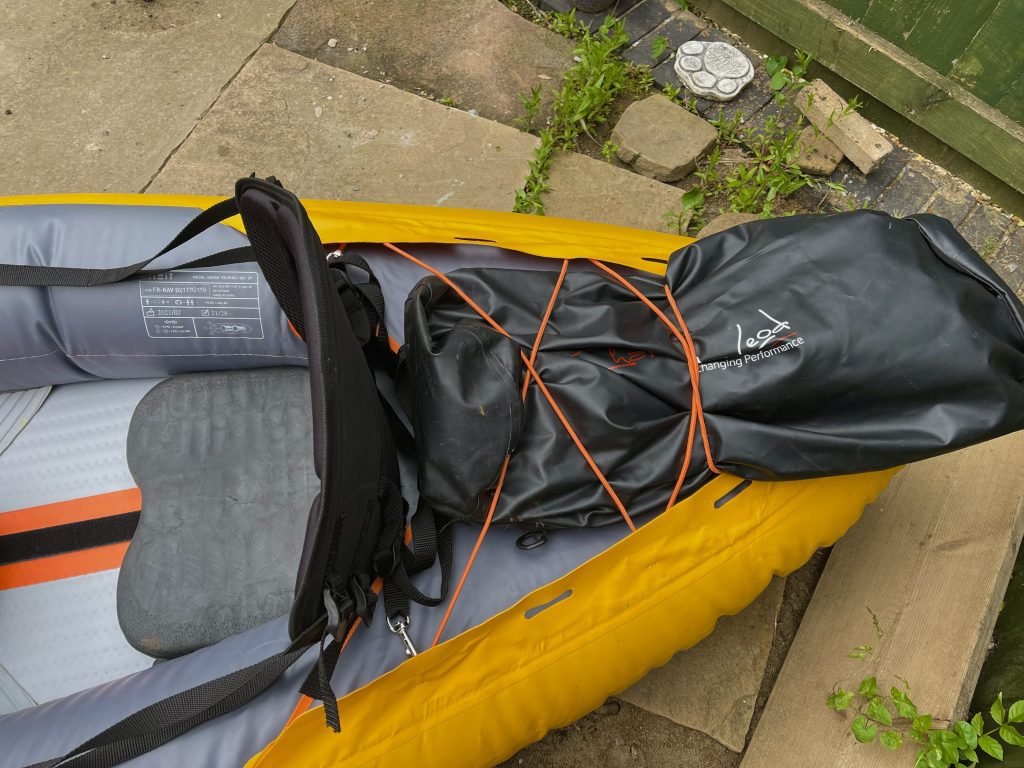
We often supplement these by using our own bungee cords which we hook to the D-rings on the decks of the kayak.
If we have any bags within the cockpit of out kayaks rather than being on the decks, then we usually secure them down using bungee cord or by looping the strap of the bag through a loop of para-cord which is then tied to one of the seat strap D-rings inside of the cockpit.
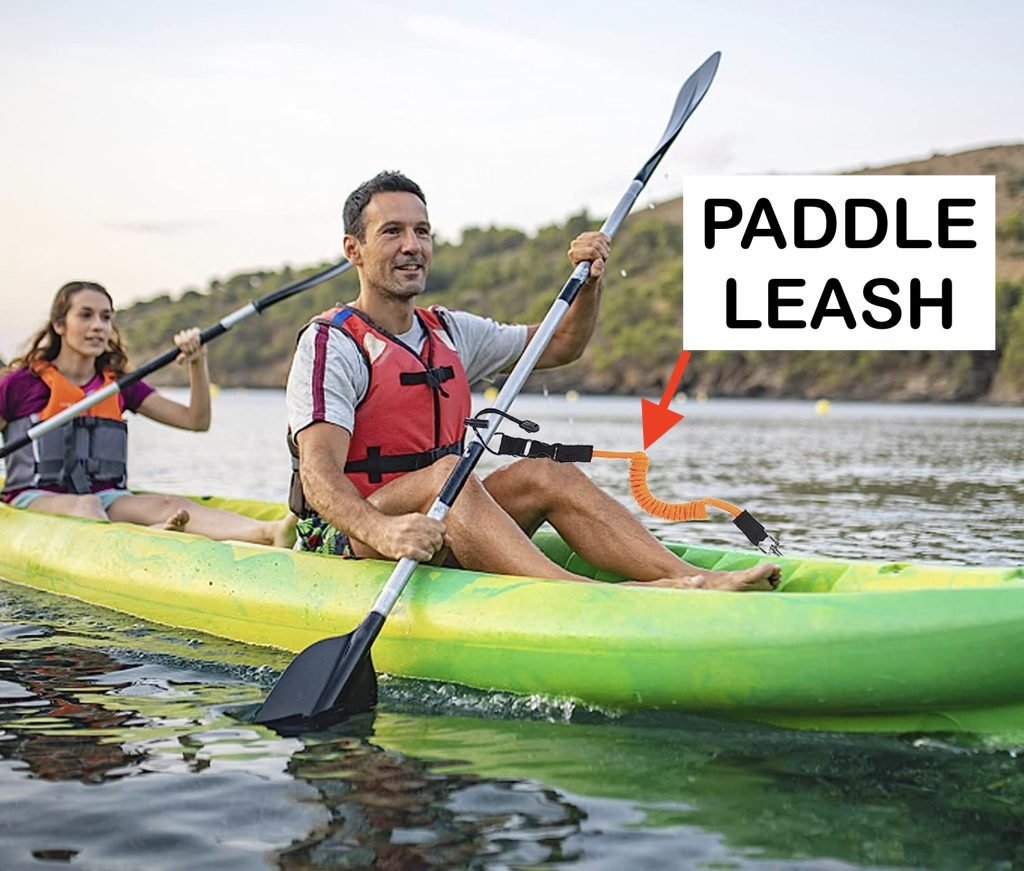
The other thing to be very careful of is losing your paddle, which can result from either it simply falling overboard while you are distracted (such as taking photos) or if you tip out of the kayak.
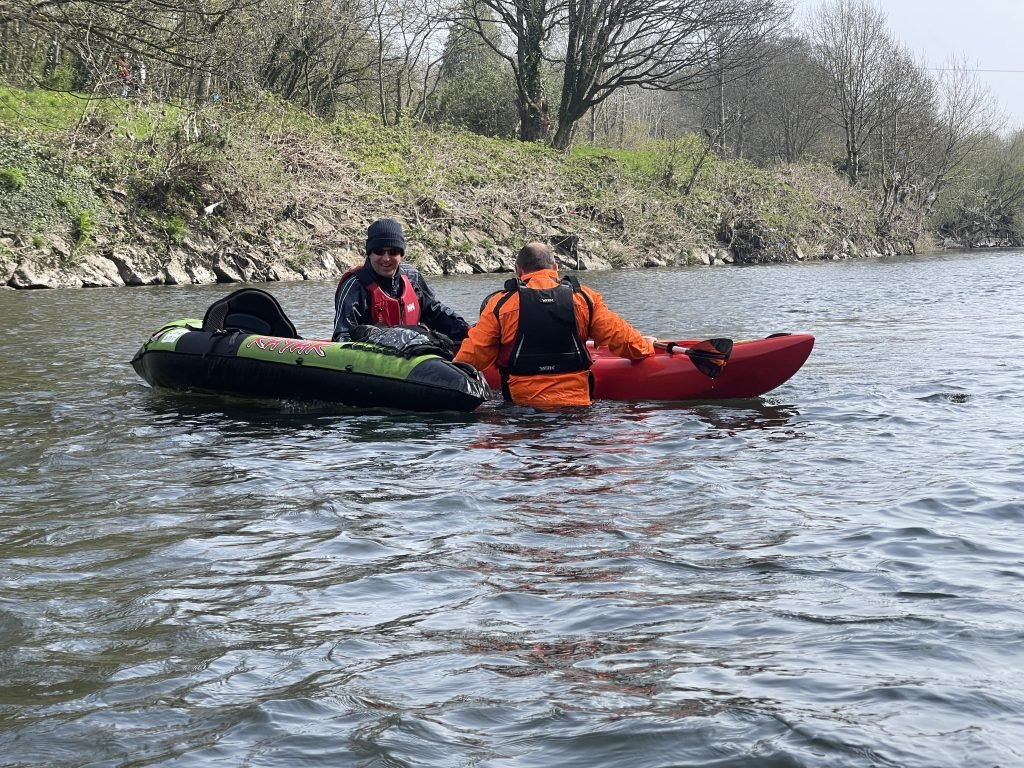
We therefore use paddle leashes which are strong, stretchy cables which attach to you paddle one end and which you hook to a D-ring inside of your kayak cockpit at the other end.
If you lose your paddle then it can be a disaster and potentially dangerous since you are then left drifting and unable to paddle.
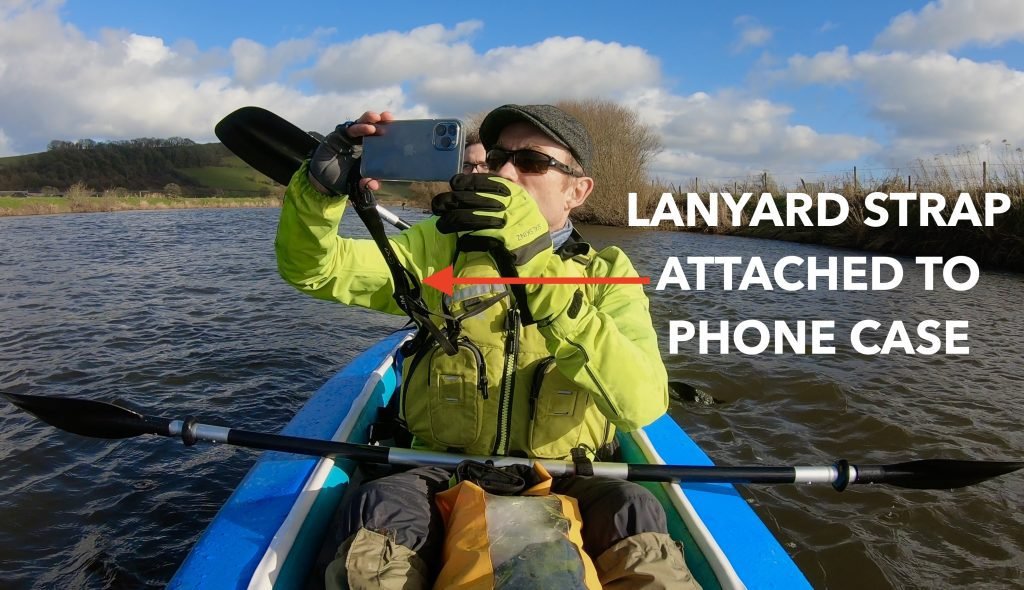
Finally, presuming you take you phone with you kayaking, then if you want to have it handy to take photos, etc, then you need to use a lanyard phone case.
You loop the lanyard strap of the case around you neck so that if you drop the phone or if you end up in the water then you will not lose it.
I did actually drop an expensive iPhone into the sea off of the Gower one time, when a sudden offshore gust of wind blew my kayak into some rocks and I panicked.
Fortunately, we were able to find the phone by going back to the spot several hours later after the tide had gone back out and luckily I managed to find the phone on the sand which had been exposed by the receding tide.
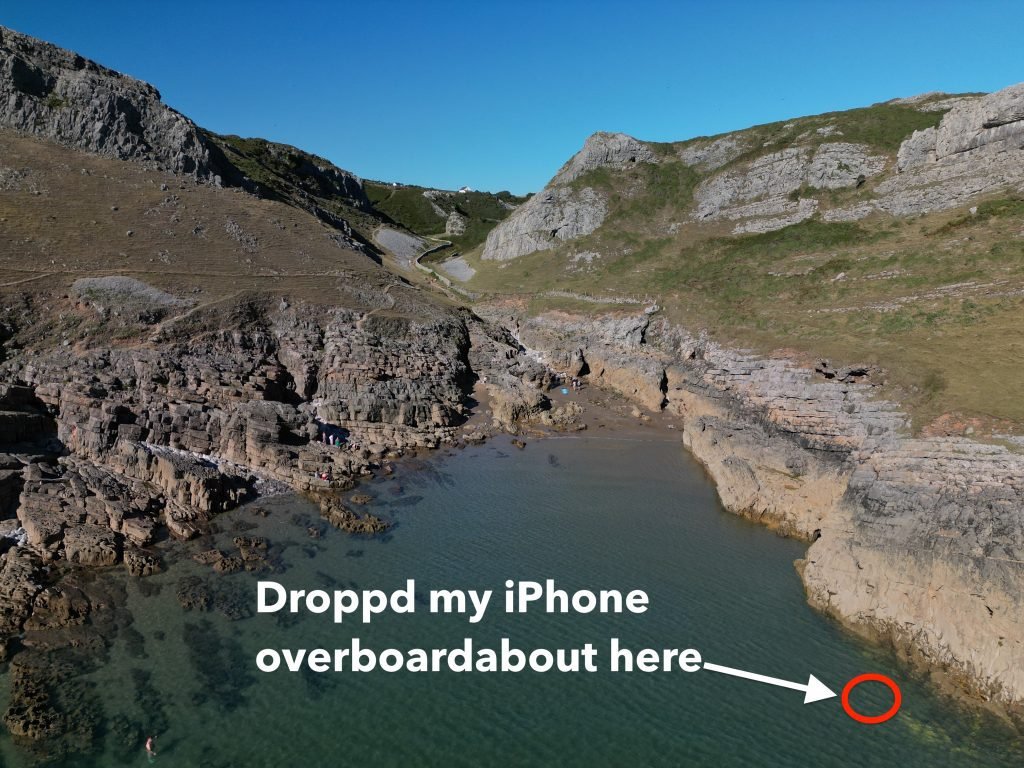
Amazingly, it was working fine despite having been under the sea for about 4-5 hours.
SUMMARY
We hope that the above tips are helpful to you.
They do not cover everything but are the main 10 things that we have learned from kayaking for many years.
We will be going into some of the above issues in further depth in other blog posts, this is just meant to be an overview of the main 10 tips that we have.
If you have any suggestions or queries then comment below or email us on info@kayakcrew.co.uk