
CONTENTS
- Introduction
- Drop Stitch Construction
- Price
- Dimensions
- Contents of package
- Inflation & Setup
- On the Water Tests
- Pros of the Story kayak
- Cons of the Story kayak
- Summary of the Story Division 1 kayak
INTRODUCTION
The Story Division 1 kayak is a full drop stitch inflatable kayak sold by a company called Euroskateshop. It is a 3 panel drop stitch kayak and hence has essentially the same type of construction and hull shape as a number of other brands of such kayaks such as the Sea Eagle Razorlite, the Sandbanks Explorer and the Blue Wave Glider.
We therefore feel that the key characteristics of the Story Division 1 kayak such as stability and speed will therefore be equally applicable to the other brands of 3 panel drop stitch kayaks, although build quality and the quality of the accessories will of course vary from brand to brand.
DROP STITCH CONSTRUCTION
Drop stitch technology has been used in watersports for some time. It has become very popular for stand-up paddleboard, many of which are now inflatable and are made from drop search technology.
Drop stitch technology involves interweaving in the upper and lower shell of the walls of the chambers with thousands of threads of fibre fabric. The extra strength provided by this interweaving allows the chambers to be inflated to a much higher air pressure. As a result, the chambers become almost rigid and firm when they are inflated to much higher pressures than traditionally made kayak can be inflated to.
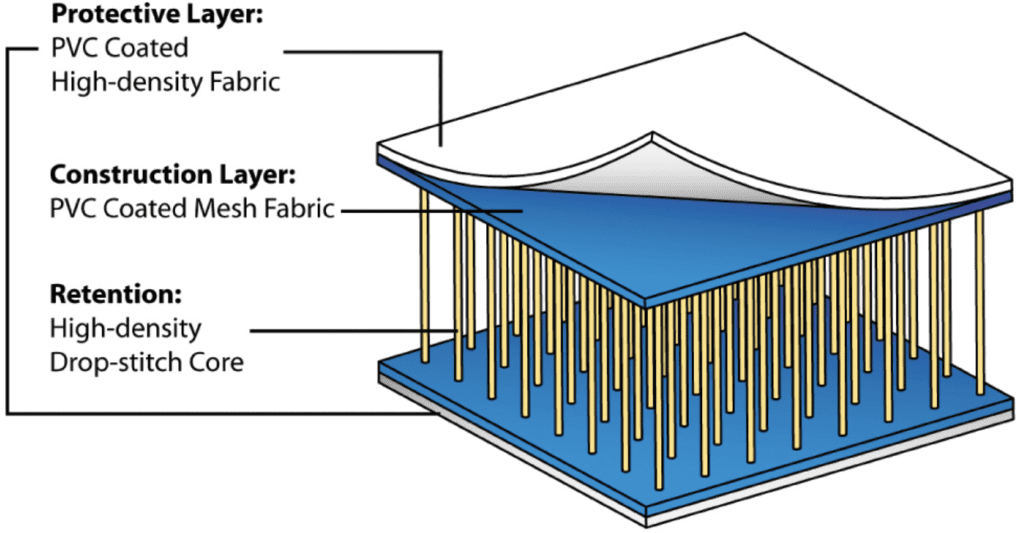
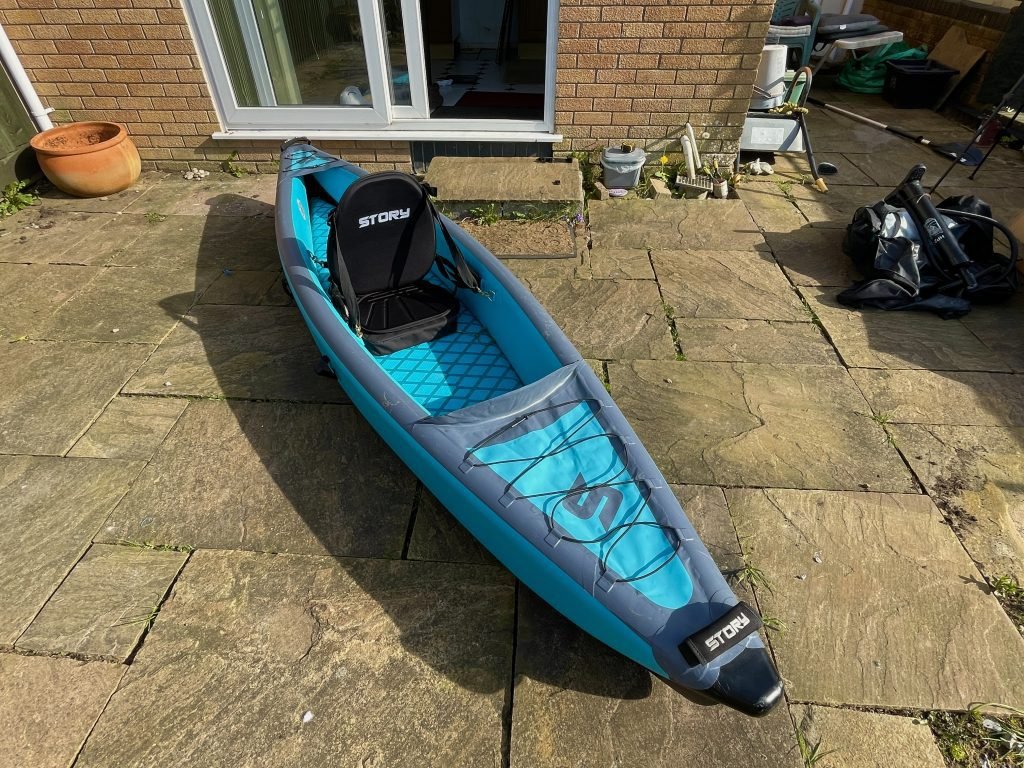
The Story Division 1 kayak is made of 3 panels all of which are made from drop stitch construction. This means that the entire kayak is inflated to a high pressure of between 8psi to 10psi.
PRICE
We bought the Story Division 1 kayak for £391 off of Euroskateshop when it was on offer.
It was on offer at the time and as of the date of this video the usual cost of it seems to be just over £700.
DIMENSIONS
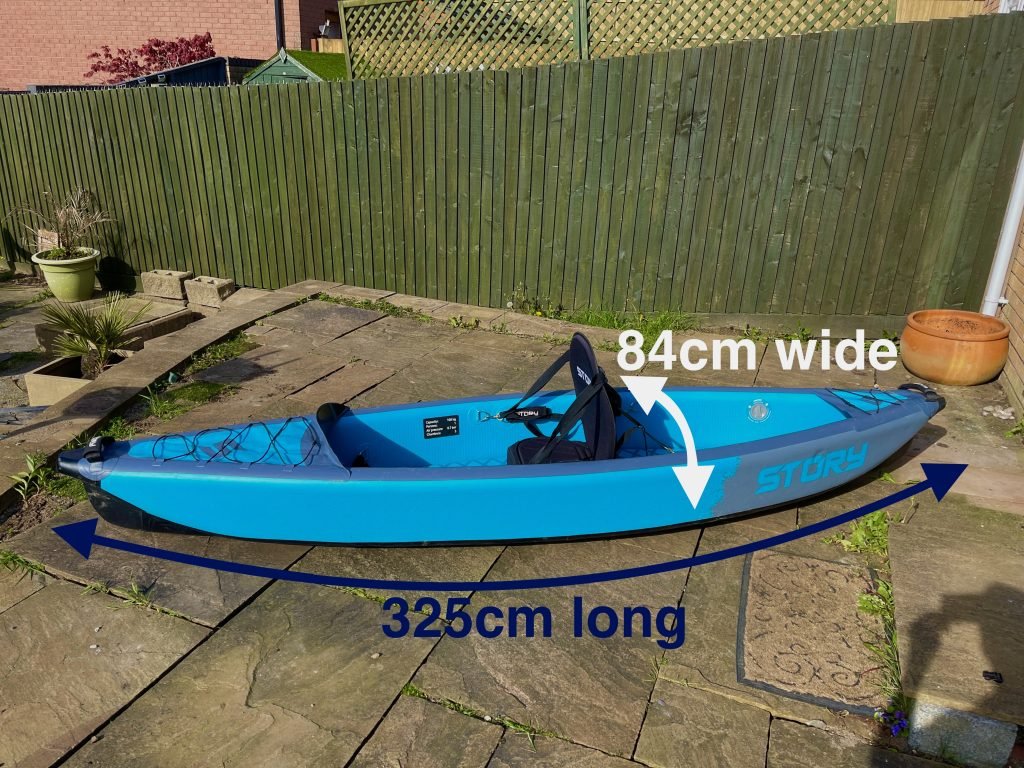
The Story Division 1 kayak is 325cm long and 84cm wide.
The kayak alone weighs about 12kg
The weight of the kayak together with the included wheeled carry bag, seat, seat pad, pump and paddle is about 18kg.
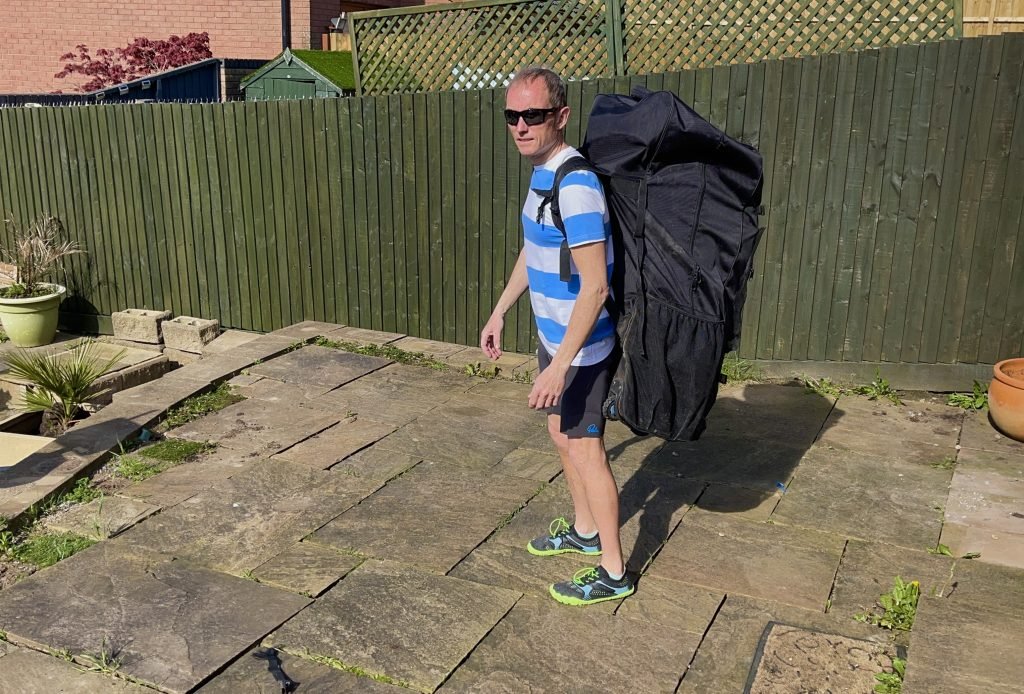
The maximum load is 100kg or 220 lbs which converts to 15 stones and 10 lbs).
CONTENTS OF PACKAGE
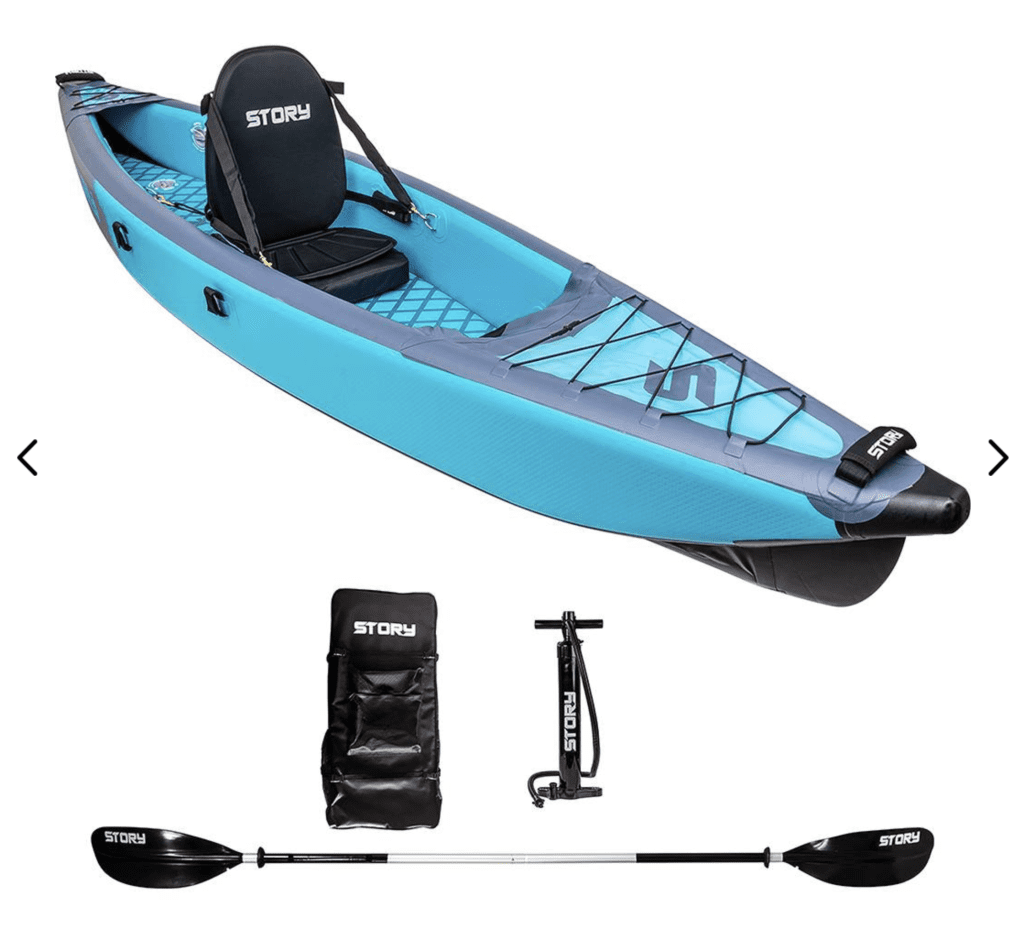
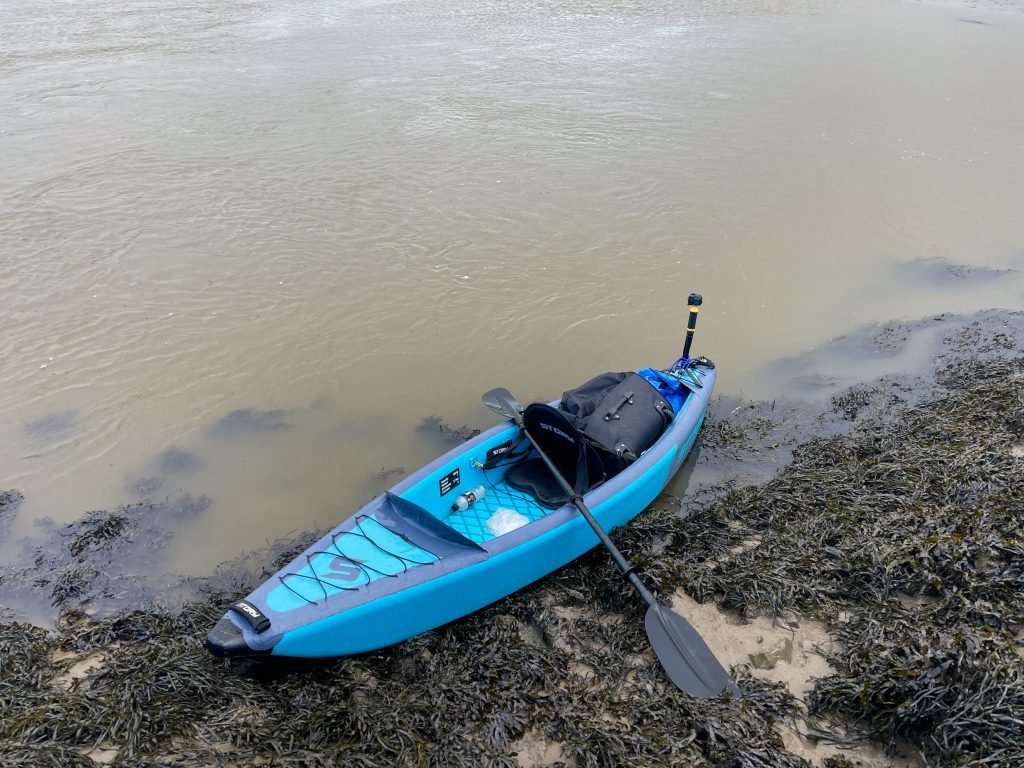
The Story Division 1 kayak package includes the following:
- a seat
- a padded seat cushion
- a pump
- a plastic splash guard
- 1 skeg
- a large carry bag
- It also comes with a 4 piece paddle
- a repair kit
- a footrest strap
- a valve removal tool is included if you ever need to remove any of the air valves
- finally, an instruction manual is included
INFLATION & SETUP
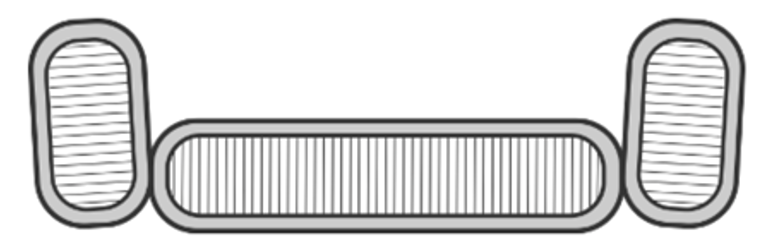
The kayak has two side chambers and a separate floor chamber, each inflatable via its own valve.
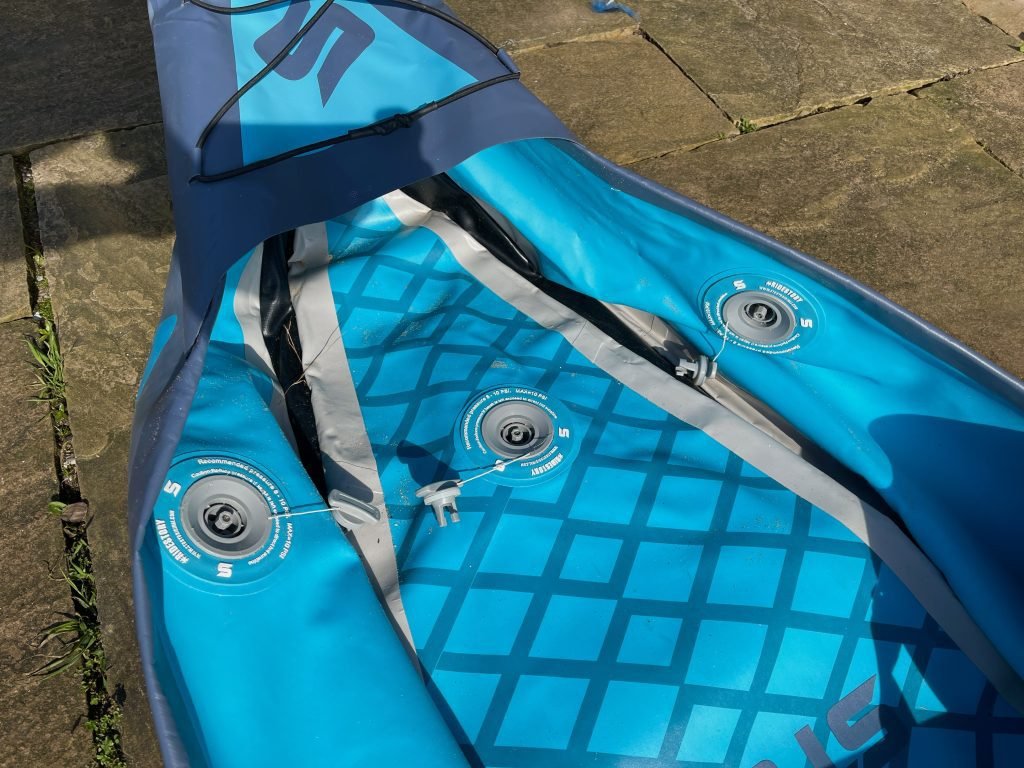
The floor chamber is inflated first, to a pressure of 8 to 10psi.
The 2 side chambers are then inflated, again to 8-10PSI.
Inflating the floor and the 2 side chambers takes about 8-10 minutes or so using a hand pump.
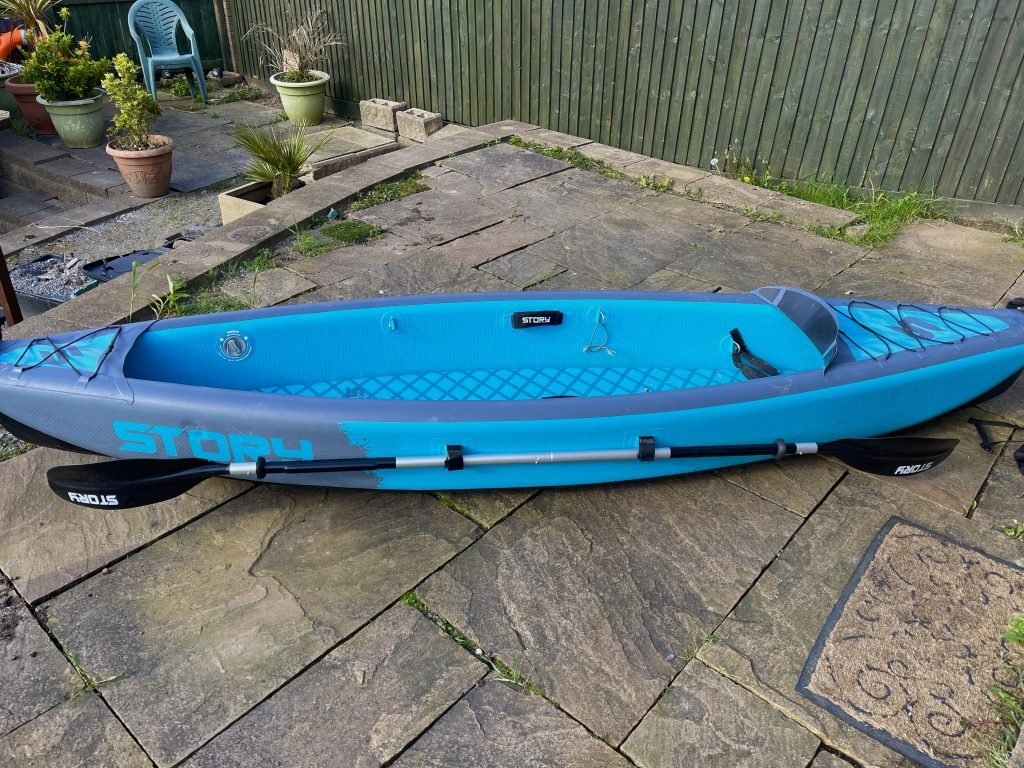
You could use an electric pump to save a bit of time and effort but you would still need to use a hand pump to finish off each of chambers to the desired pressure.
The fabric seat pad can be attached to the bottom of the seat using the Velcro strips if you want, but it is optional.
To install the seat, you attach the 4 seat straps to the Drings on the inside of the cockpit of the kayak and adjust the straps to get the required tightness.
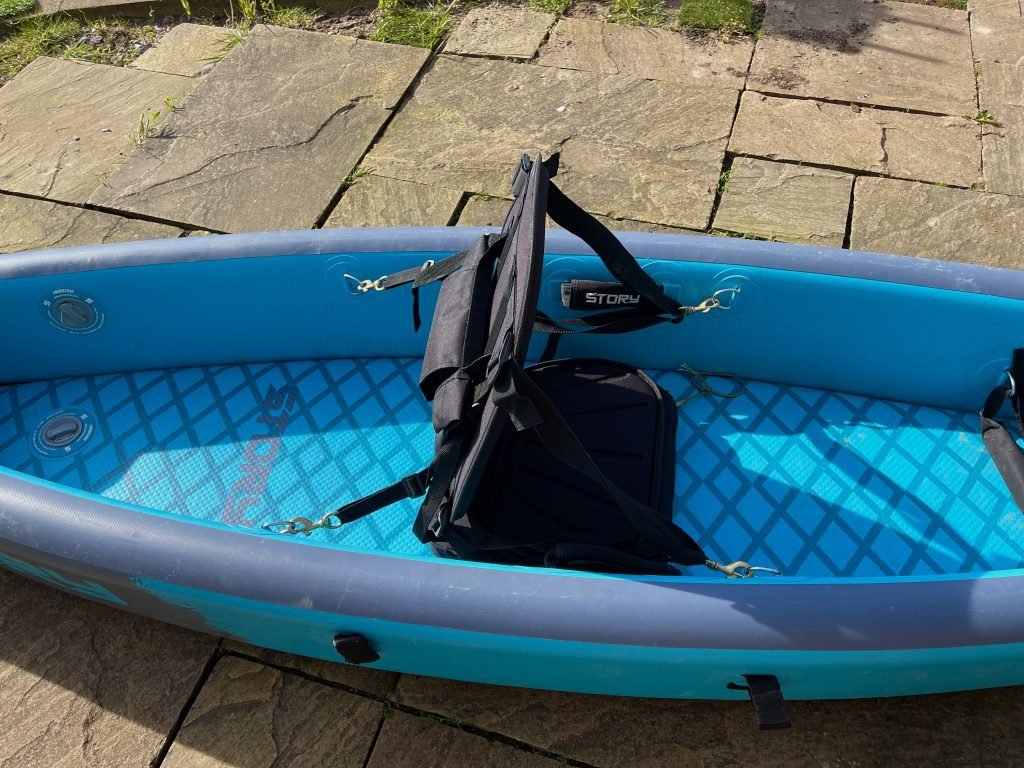
You attach the foot rest to the front pair of Drings inside of the cockpit.
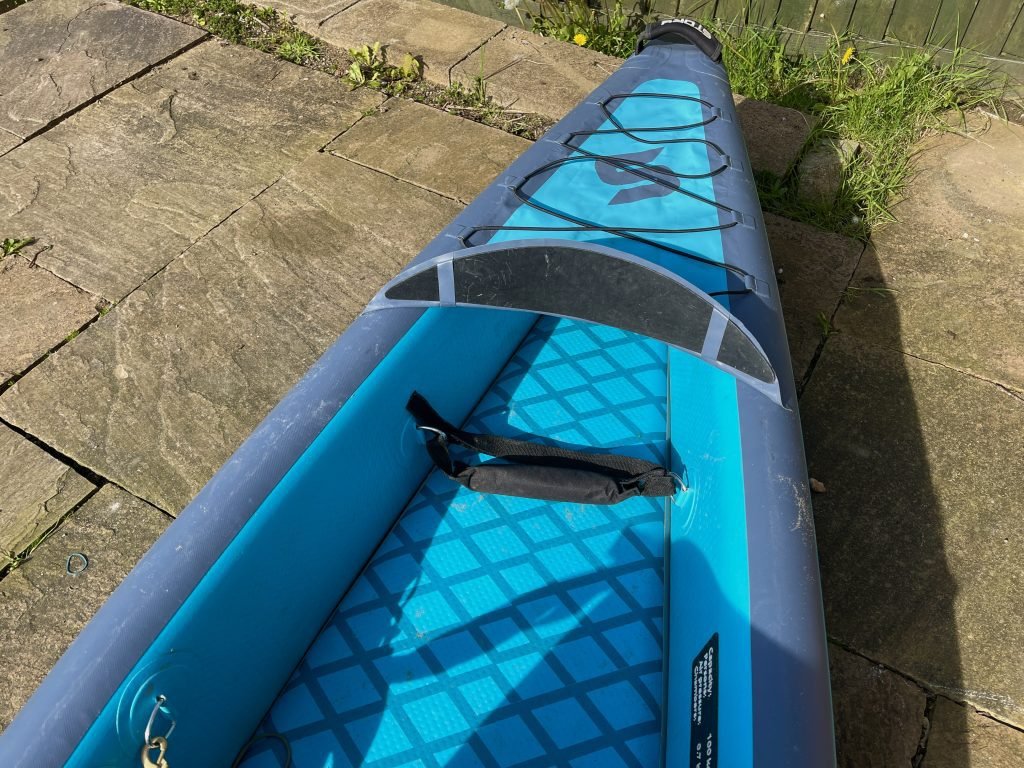
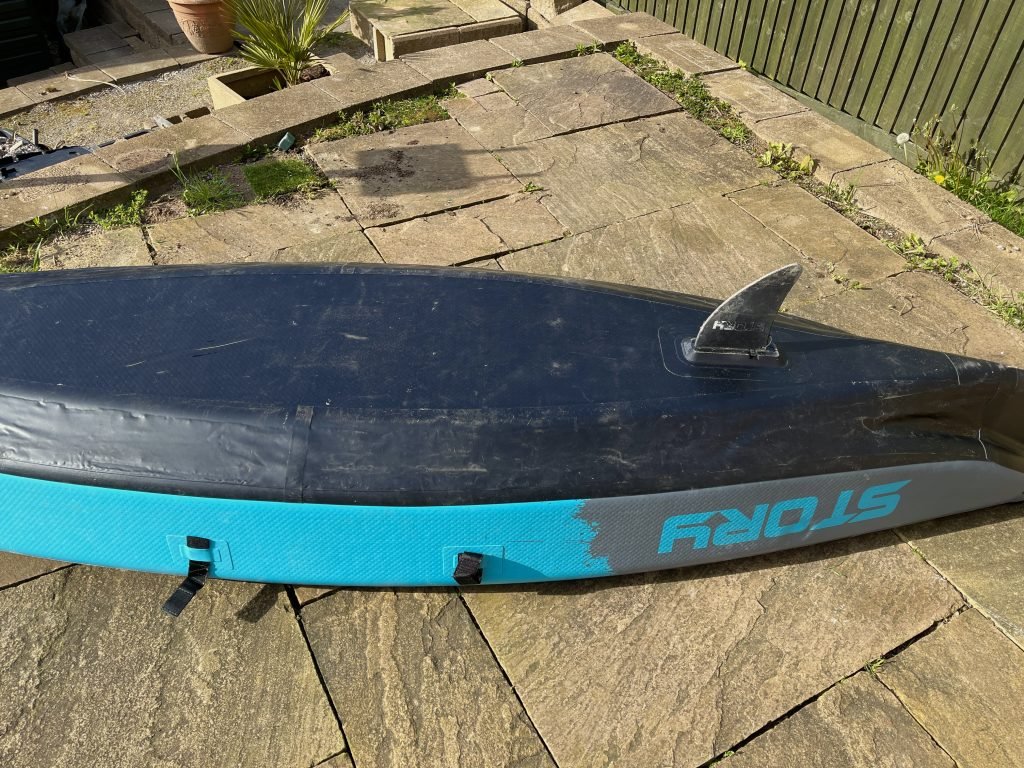
Finally, when you are ready to launch, you then mount the plastic skeg or fin on the bottom of the kayak.
ON THE WATER TESTS
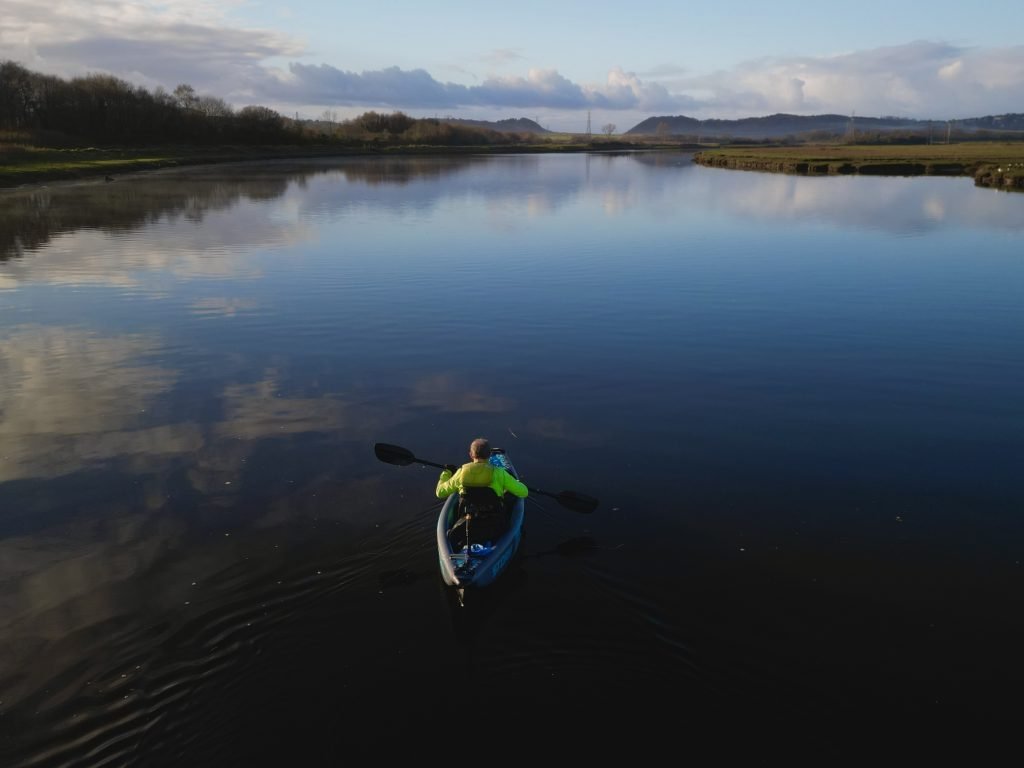
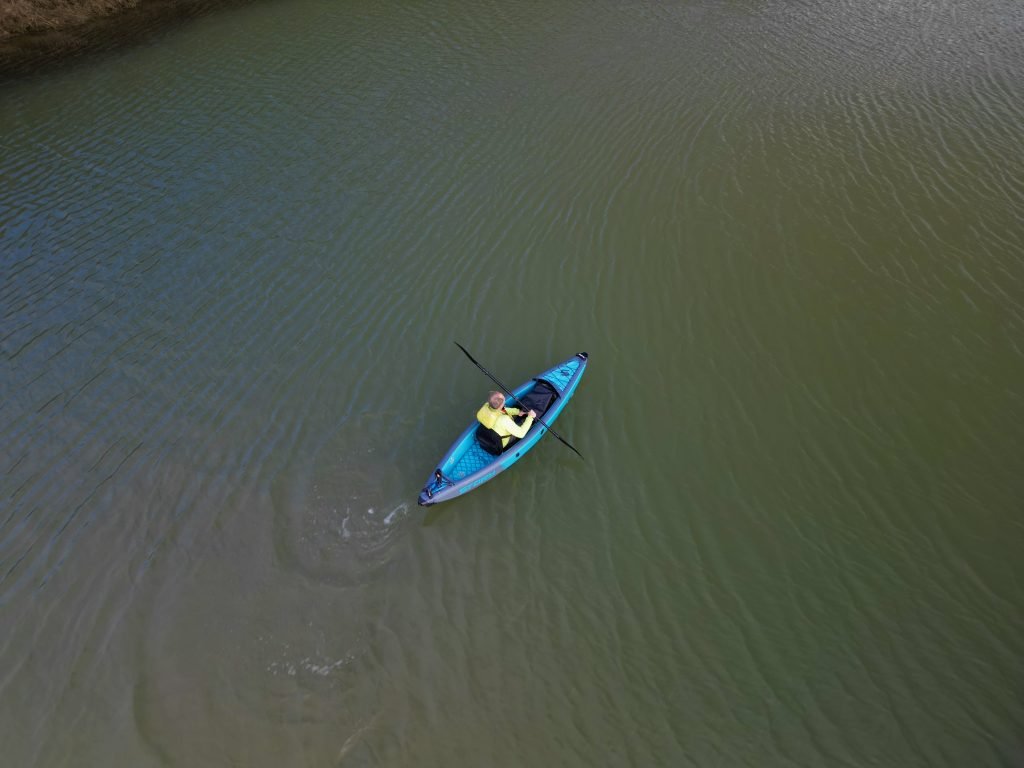
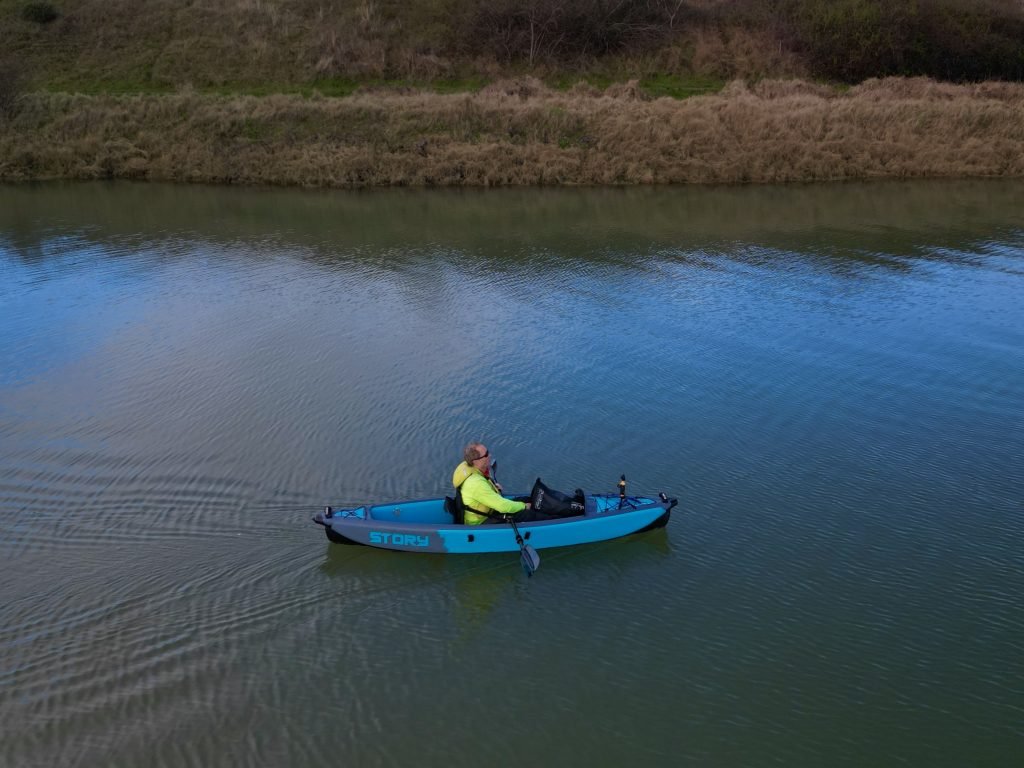
The Story Division 1 can only be used as a solo kayak by one person due to it’s size.
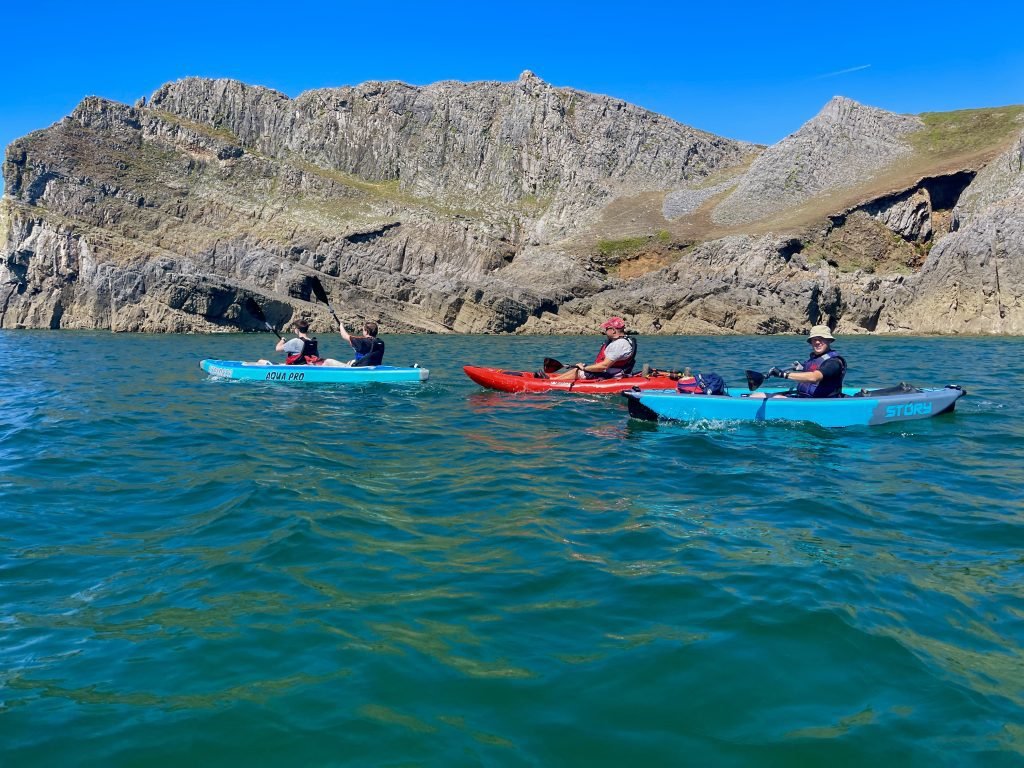
3 panel drop stitch kayaks such as the Story all appear to have the same basic design and hull shape and we’d therefore expect that they all handle similarly on the water.
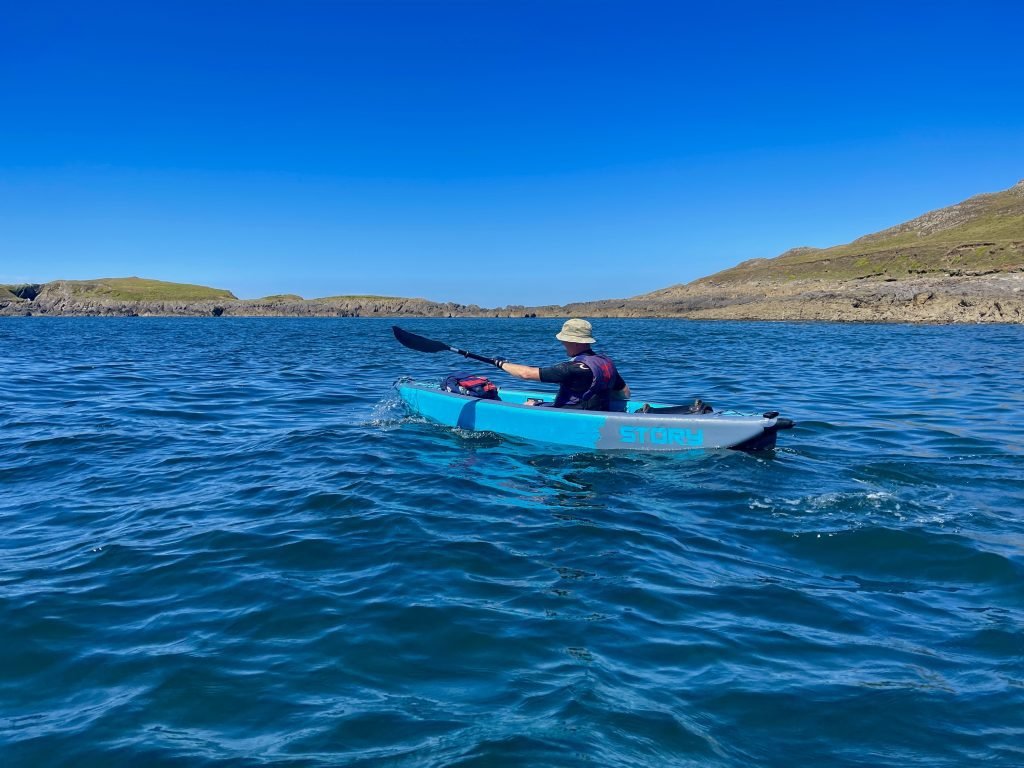
The story division one is pretty fast on the water due to the full drop stitch construction, which results in the hull of the kayak being very firm and also due to the moulded plastic cones on the bow and the stern of the kayak.
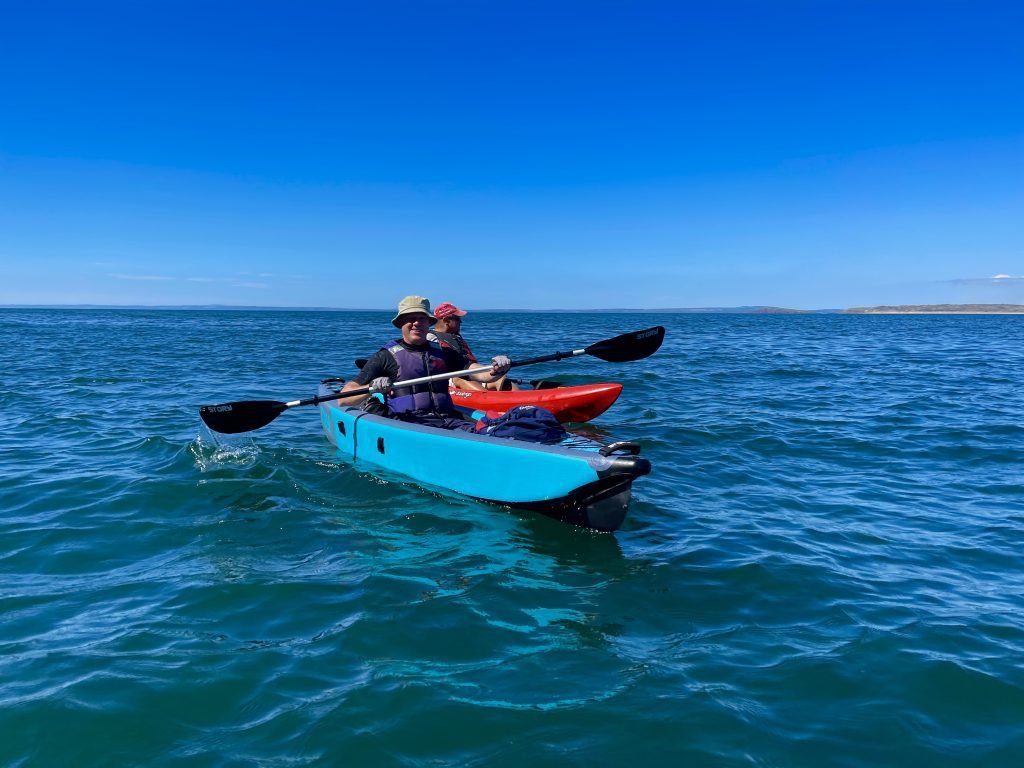
The Story division one kayak seems to track quite well.
While the cockpit of the kayak is quite roomy, we did not generally get on well with the seating position in the kayak.
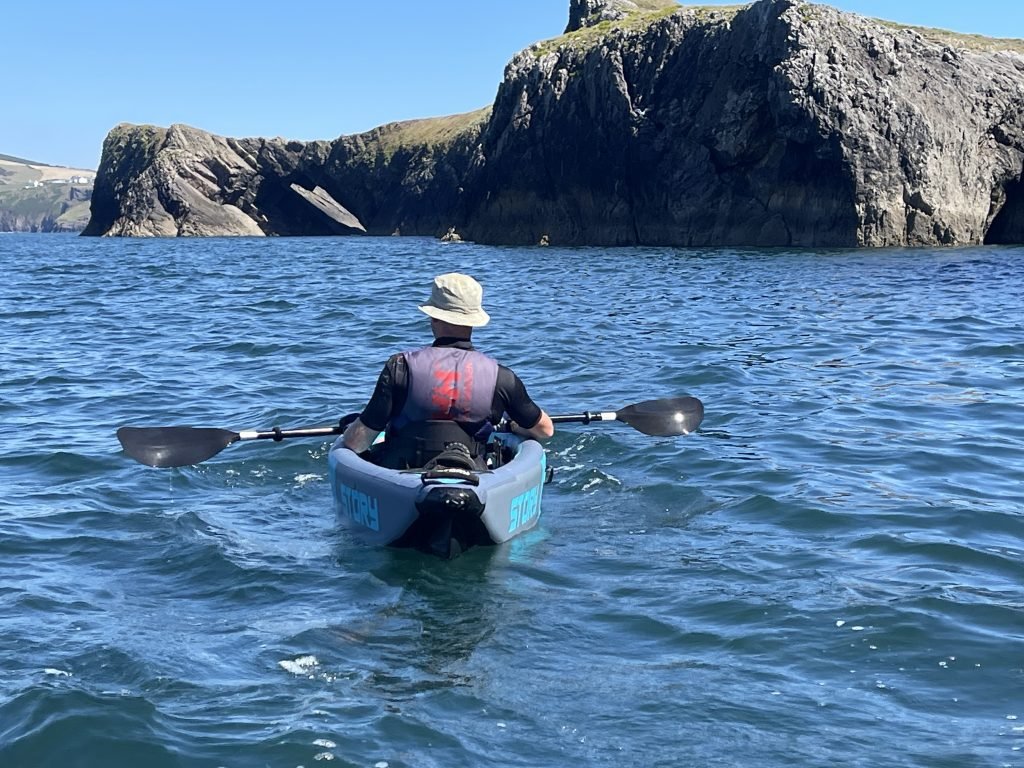
The positioning of the D-rings for the seat straps appears to be too far forward in the kayak cockpit.
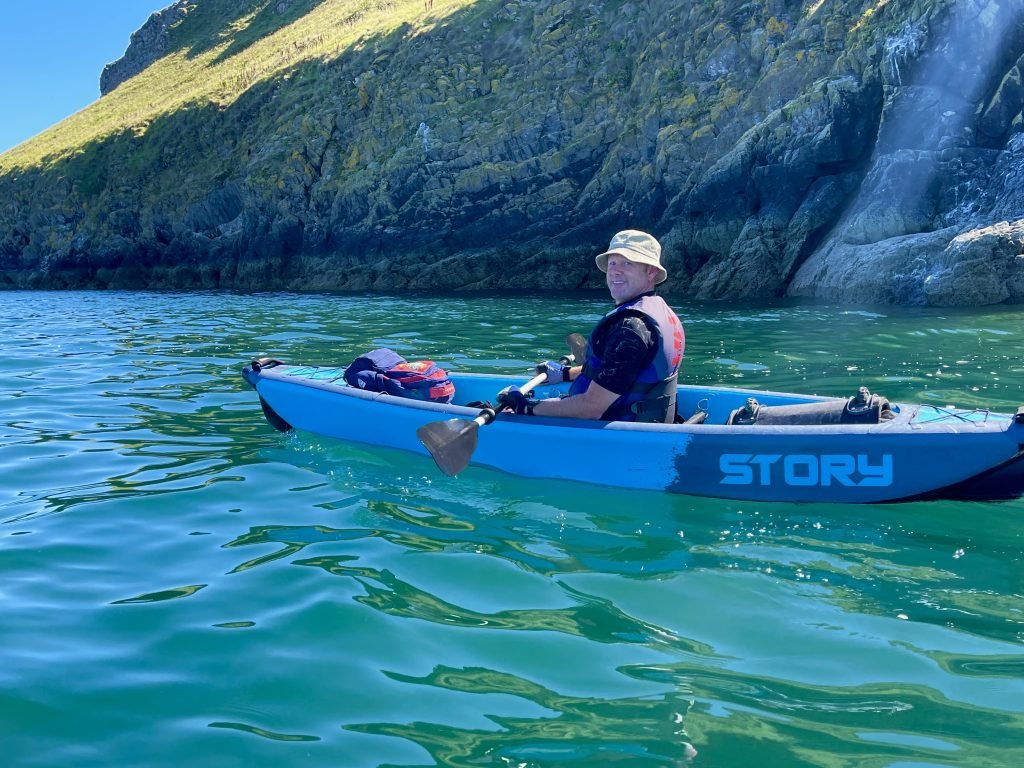
The firm, high-pressure drop stitch floor chamber means that you do not get water pooling around your seat.
Regarding stability, we found the Story Division I kayak to be less stable than any of the other kayaks that we’ve used.
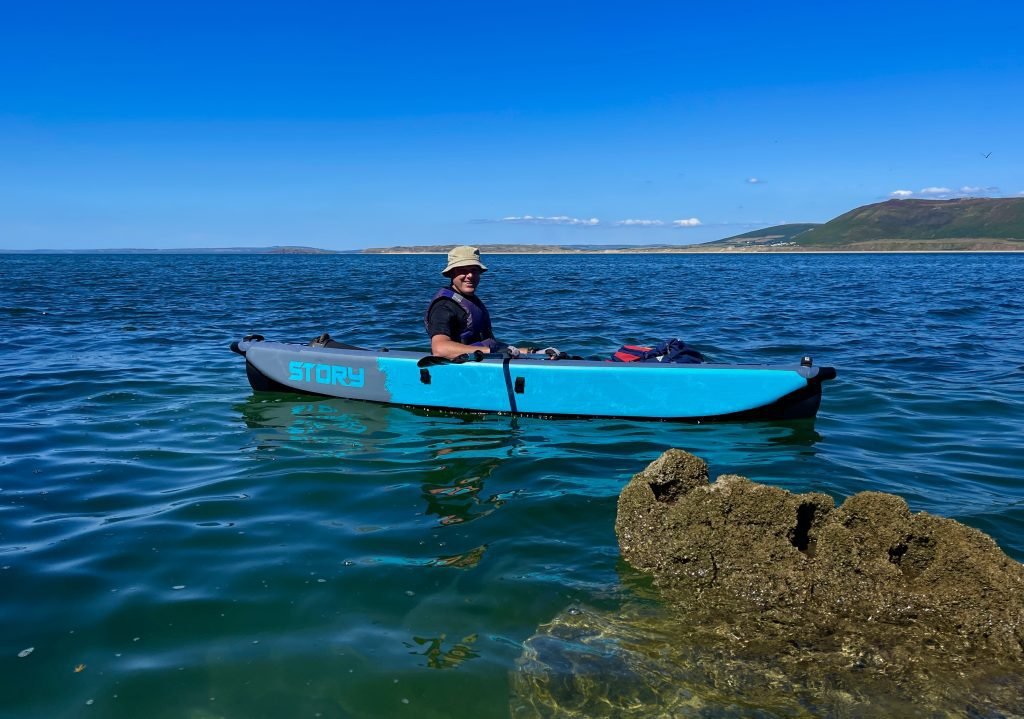
This appears to be due to the shape of the hull, which seems to be designed for speed and tracking at the expense of stability.
As soon as you get into the kayak and start paddling, you will notice the hull wobbling from side to side, and this is very unnerving, especially if you are on the sea or a wide, river or estuary.
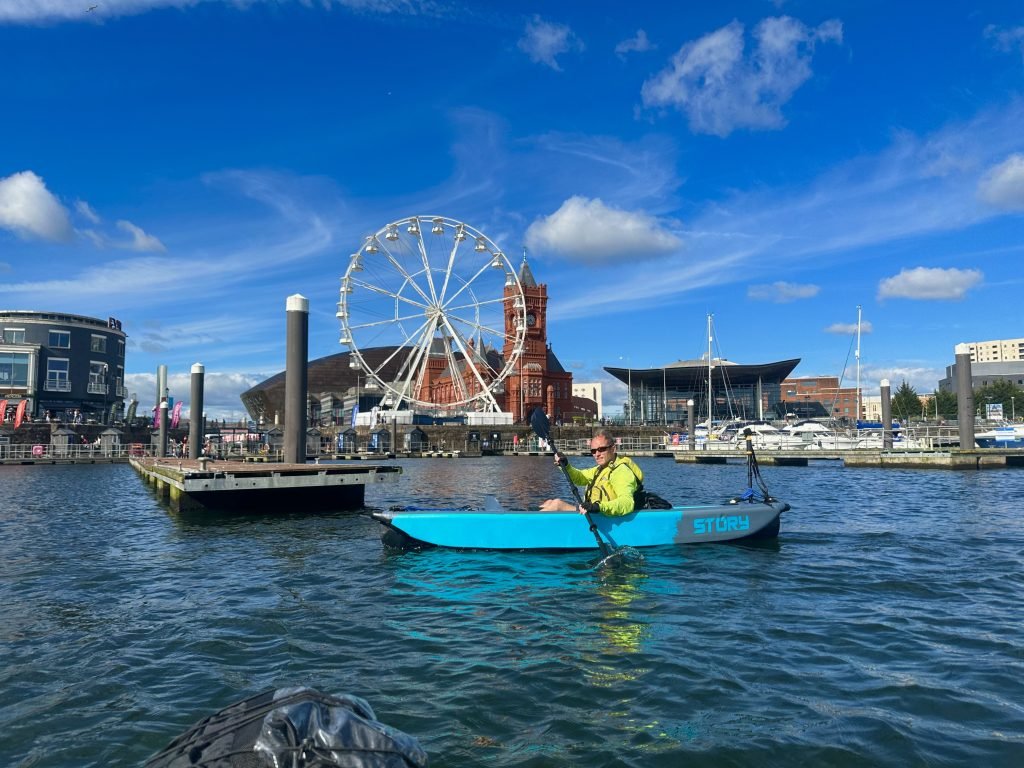
I know that many people will comment that V shaped hulls like this have what is called secondary stability, but having used a number of different kayaks with different hull designs, we would still maintain that three panel full drop stitch kayaks like the story are not a stable as 2 panel full drop stage kayaks or as hybrid kayaks with tube sides and a drop stitch floor.
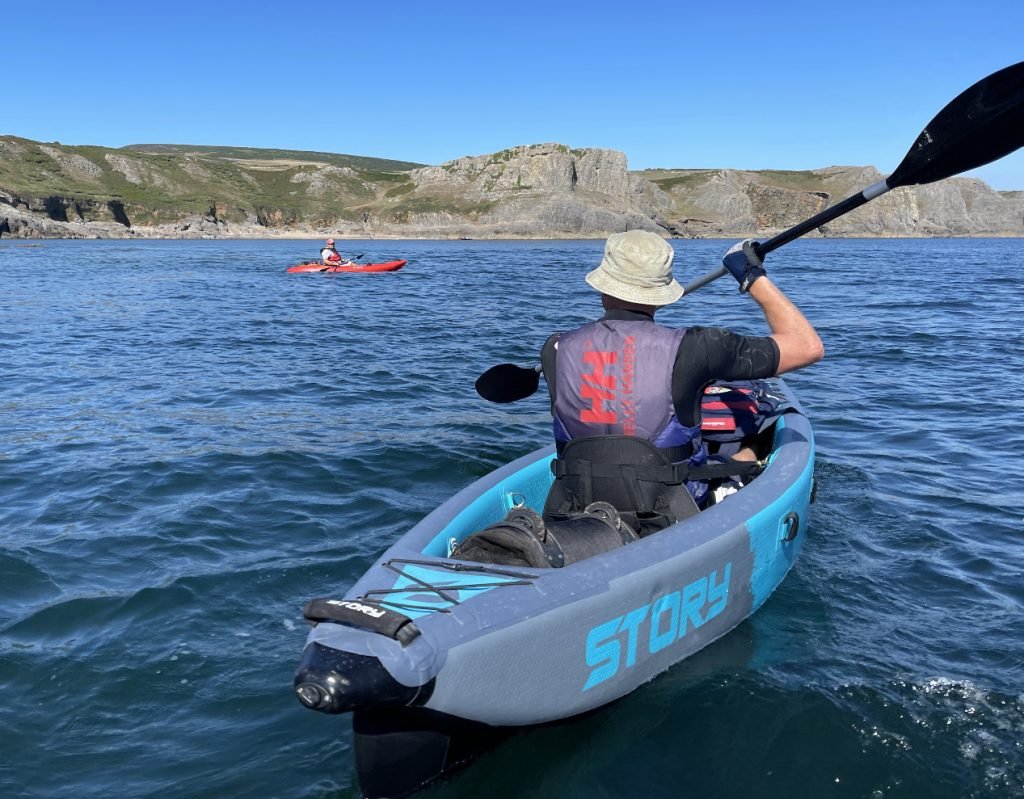
The front and rear decks have bungee cords for securing items to carry on top of the decks and items can also be stashed underneath the front and rear decks.
Due to the seat being positioned in the middle of the cockpit, you also have a lot of storage space in the cockpit itself behind the seat.
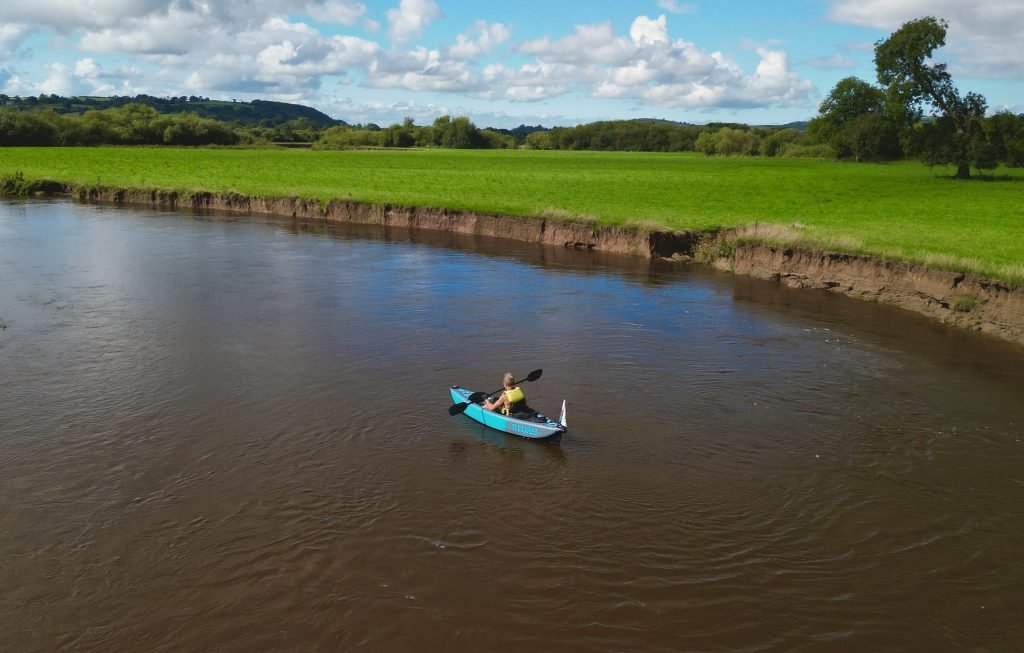
The paddle that is included with the story division 1 kayak is probably the worst of all of the included panels that we’ve had with any of our kayaks, being very loose.
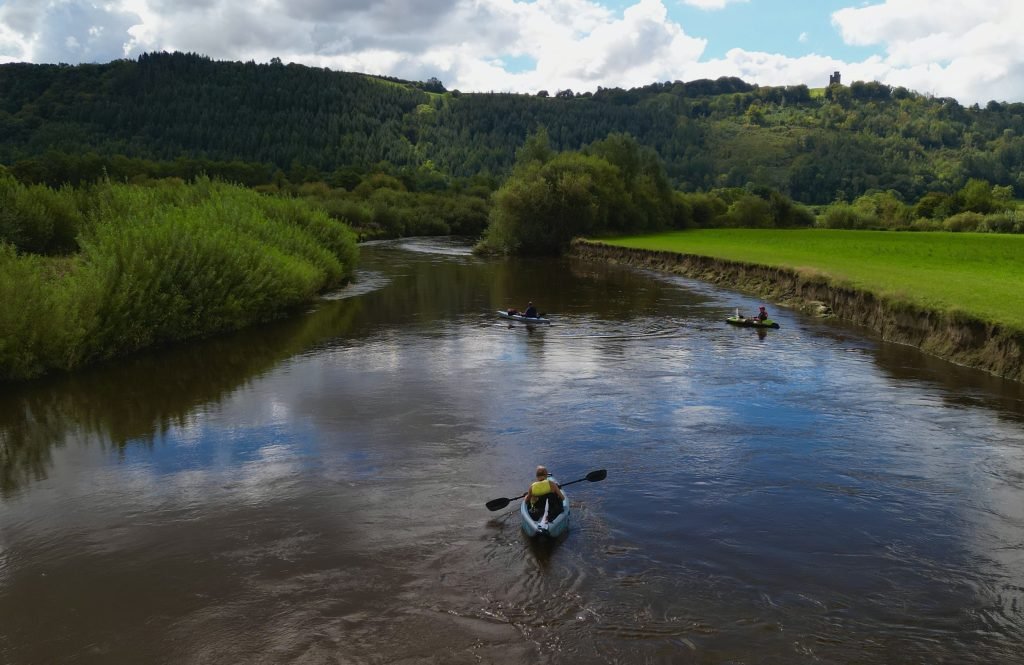
The large carry bag is useful in that you can both carry it on your back or, when possible, drag the bag along on the built-in wheels.
PROS OF THE STORY KAYAK
- The drop stitch floor provides a firm and dry base to sit on
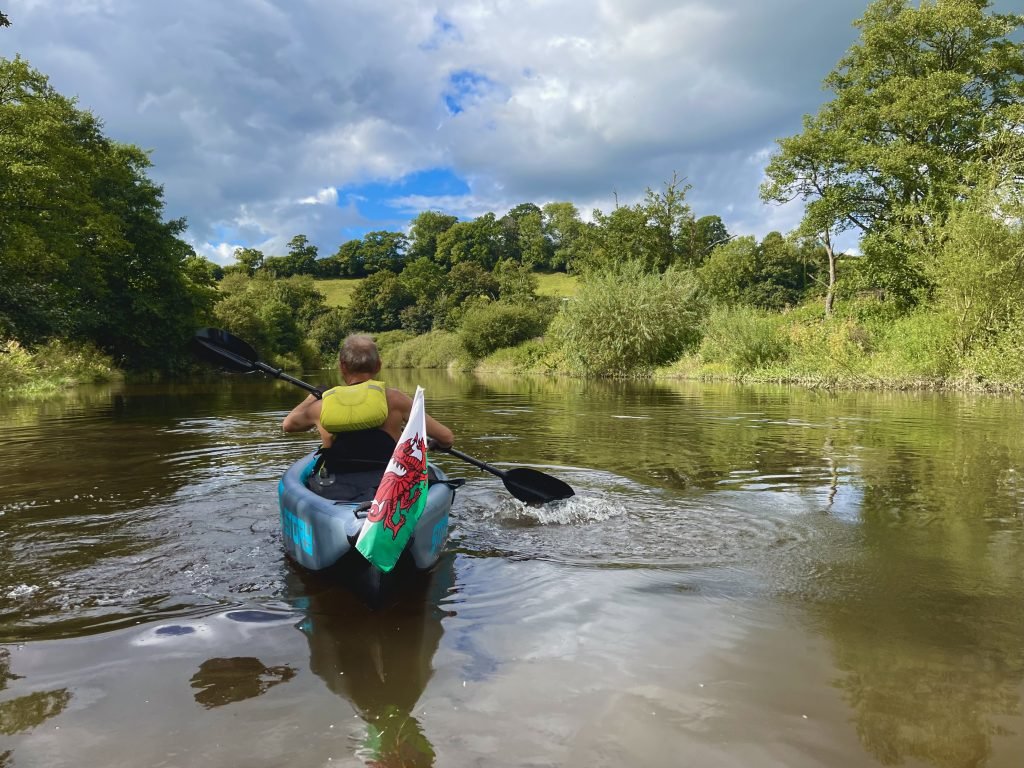
- It is relatively light and portable for a full drop stitch kayak
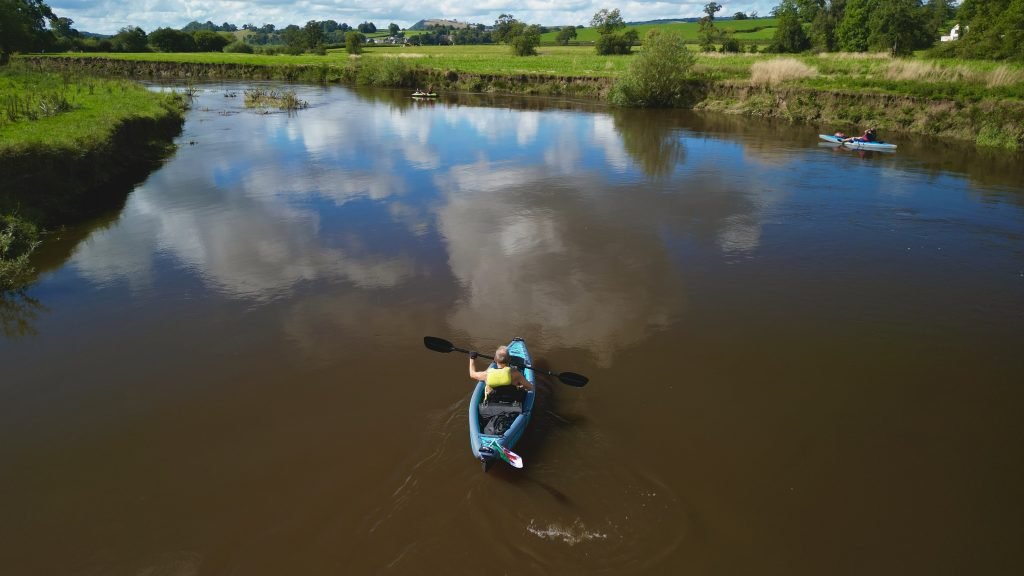
- It seems to be a fast kayak, maybe the fastest of all of the kayaks that we have, although not significantly so.
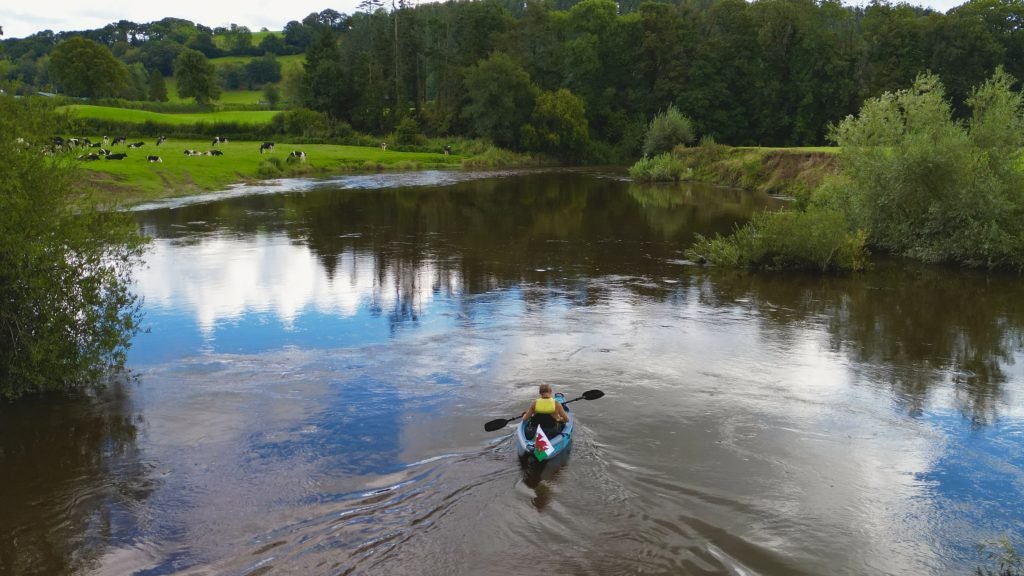
- It tracks marginally better than the other kayaks that we have due to the V shaped hole and the plastic barrel and stern cones.
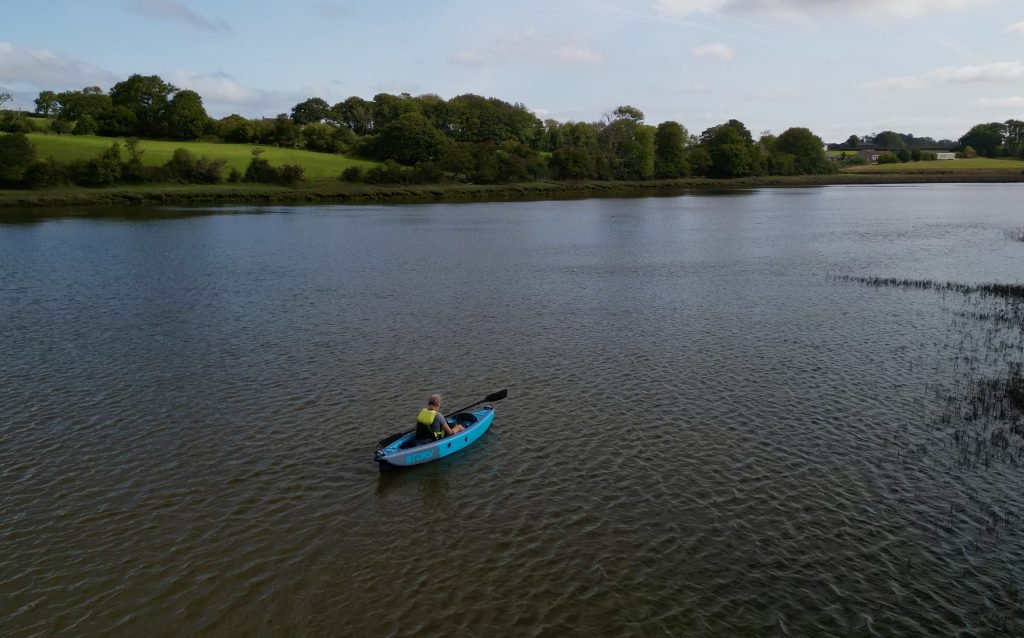
- The inclusion of a foot rest is a welcome addition since it helps to brace your legs against so that you can use your core strength to paddle.
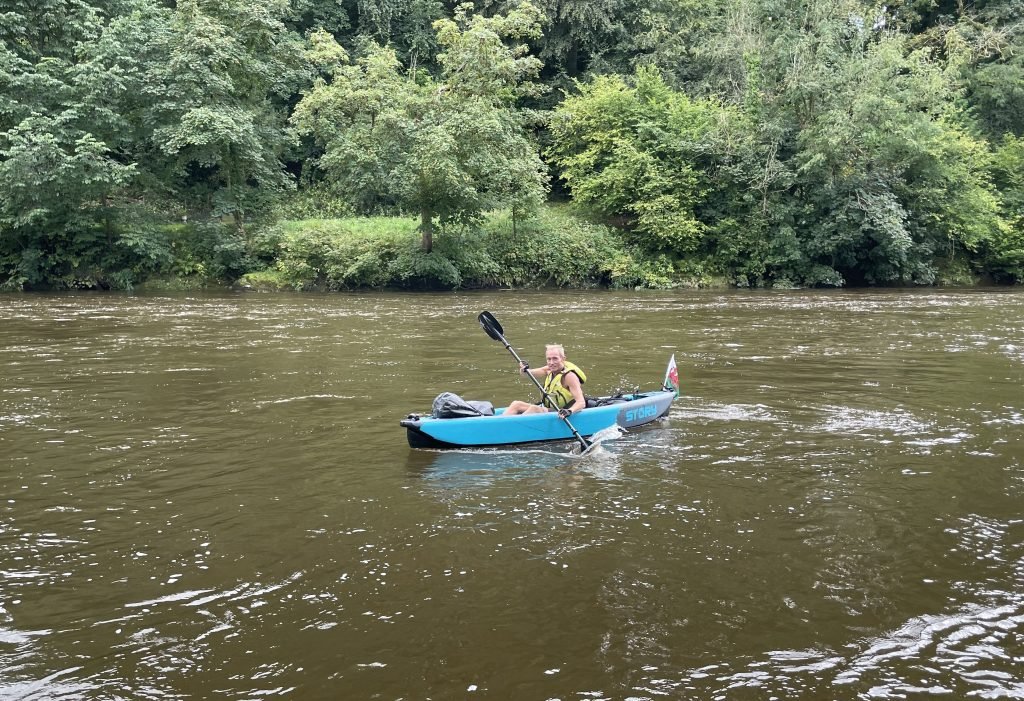
- The kayak seems to be strong, robust and well made

CONS OF THE STORY KAYAK
- It is the least stable of all of the kayaks that we have owned.
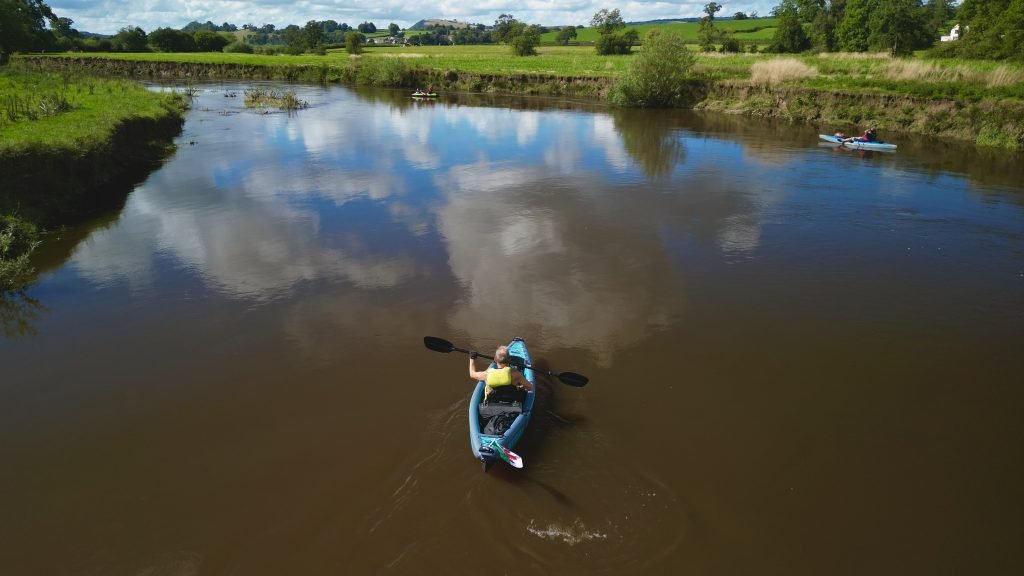
- The plastic stern and bow cones make the kayak awkward to fold over and roll up properly for storage in the carry bag.
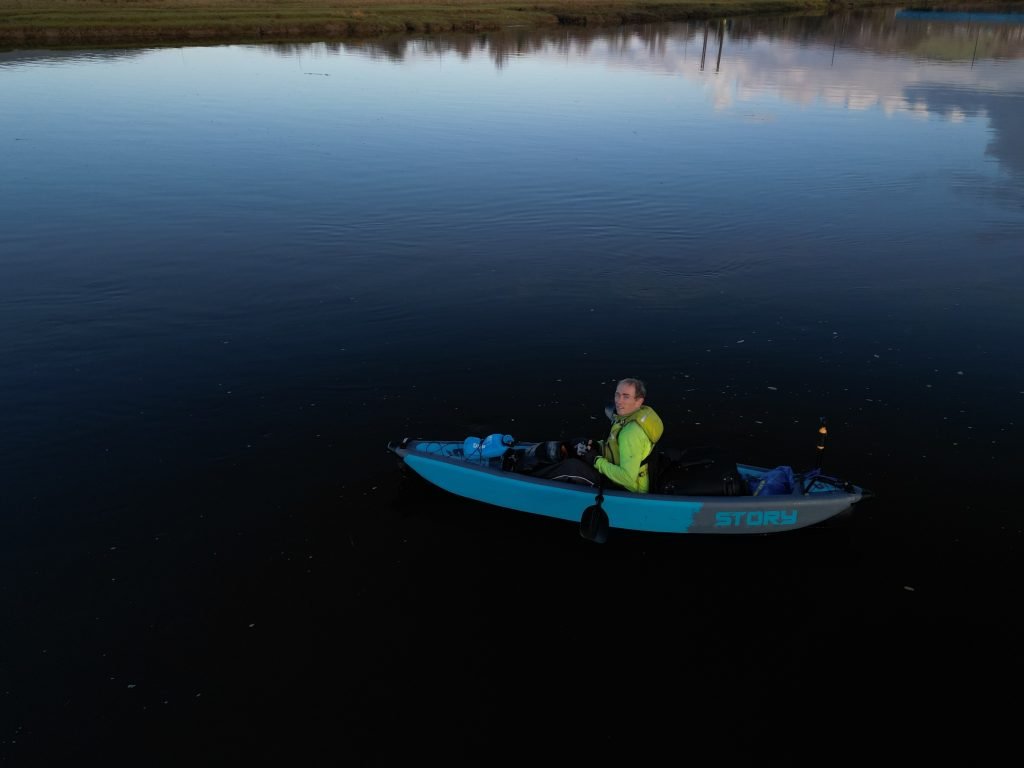
- The seat is reasonable quality, but it is awkward to get the seat in the right position in the cockpit due to the D-rings being positioned too far forward. Also the seat back is more difficult to keep upright than on our other kayaks
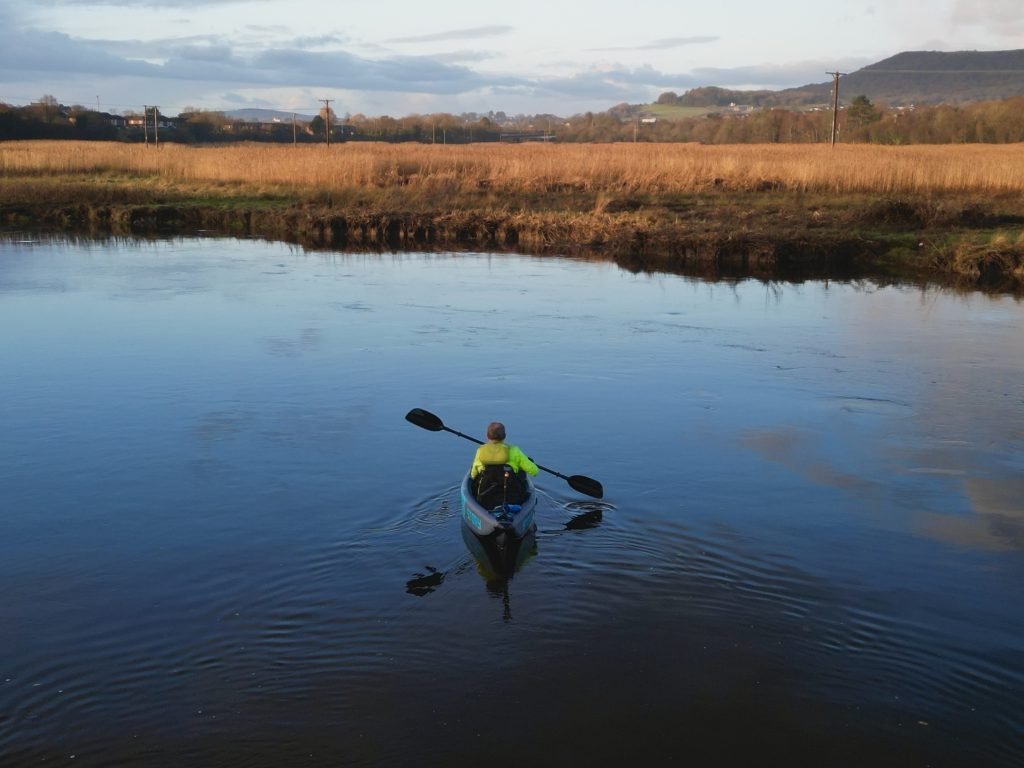
- The seat cushion is too thick be in about 8 cm thick, and when you use this with this ETA, it results in you being set to high which exacerbates the stability issues of the kayak.
- The air valves do not feel as quality as on our other drop stitch kayaks which also use the same type of valve.
- When we screw the tube into the connector on the pump, often times it does not sit properly and air leaks out when you start to pump it to a high pressure.
- The thread of the screw in the connection is very temperamental.
- The included paddle is probably the worst paddle we’ve used
SUMMARY OF THE STORY KAYAK
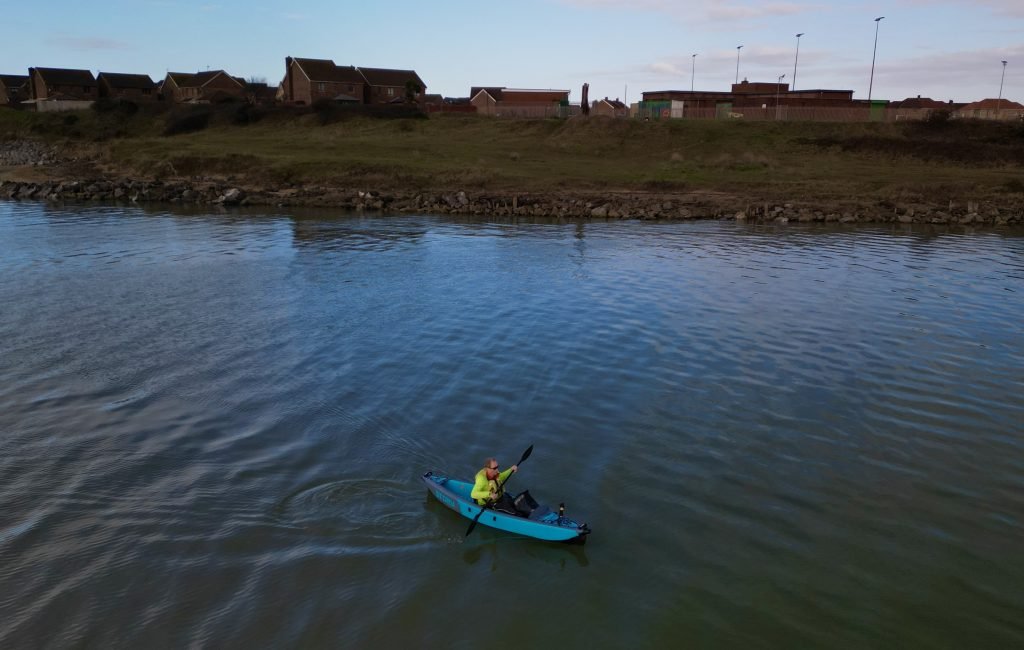
The Story Division 1 was the first 3 panel full drop stitch kayak that the Kayak Crew tried and we are not really big fans of this type of kayak.
We generally only undertake ‘flat water cruising’ along coasts, estuaries and rivers. We also sometimes do paddles on canals and lakes. We do not do any white water kayaking and we only go out on the sea when the conditions are relatively calm.
However, even when flat water kayaking you can often times encounter fairly rough water and we therefore feel that stability is one of the key qualities of a kayak.
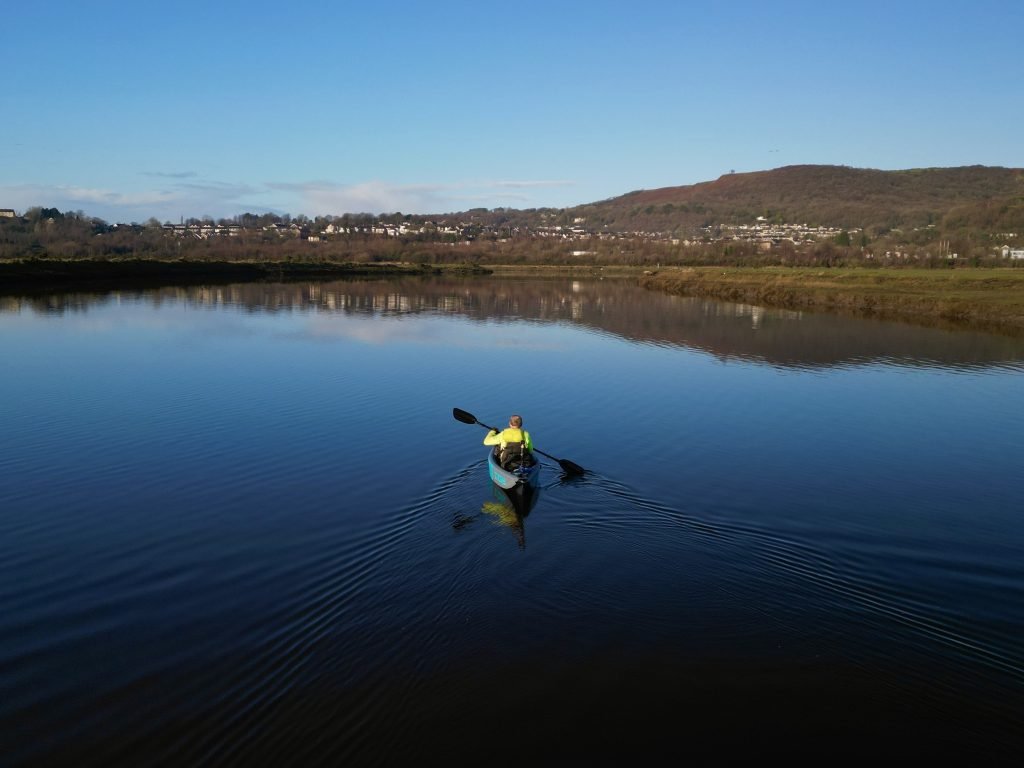
If you however prioritise speed over stability and only generally go paddling on canals or sheltered rivers then you will probably get on very well with the Story kayak.
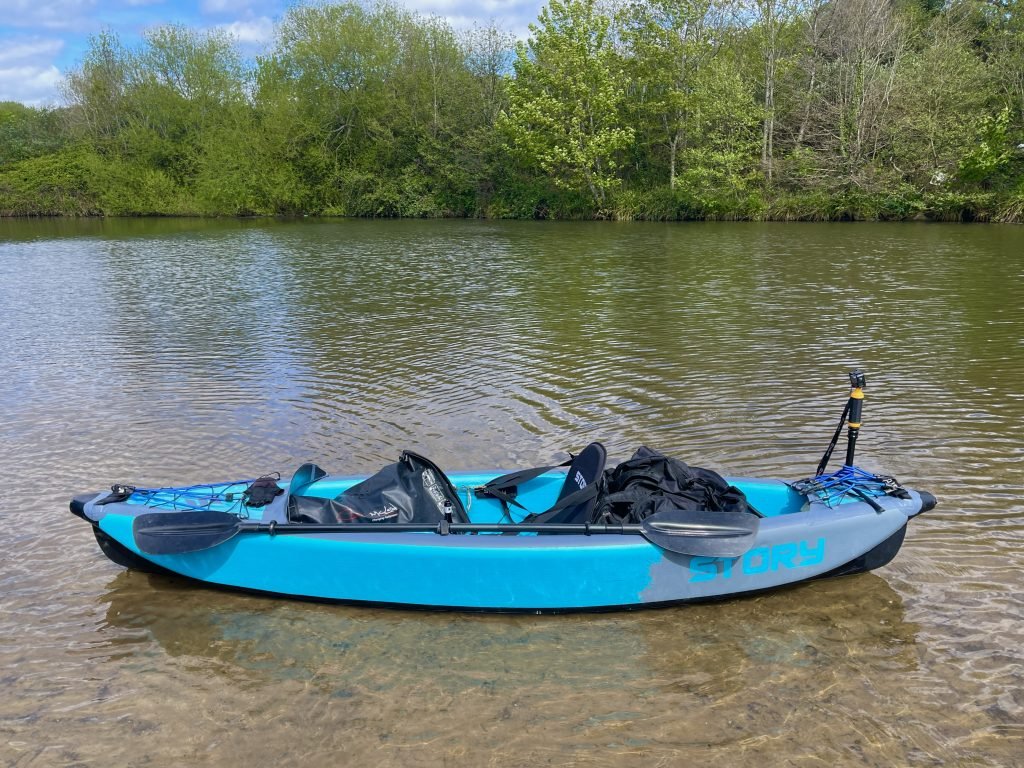
It seems to be a well constructed kayak and in summary it emphasises speed and tracking at the expense of stability.
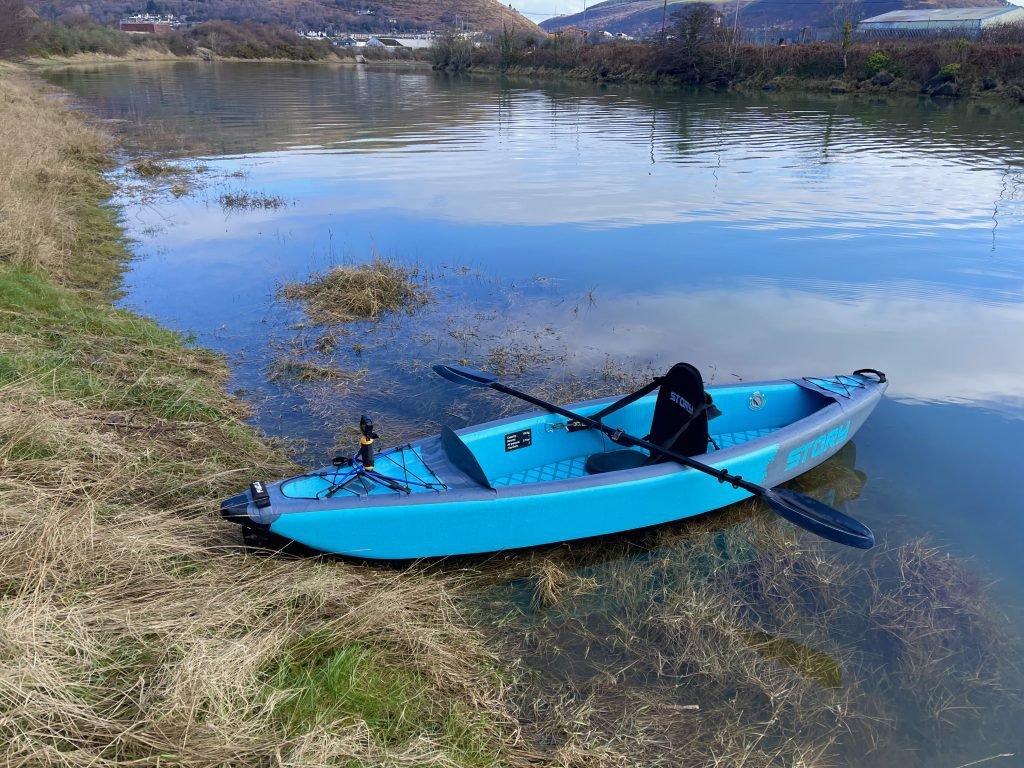
It therefore essentially boils down to what sort of padding you do and whether you prefer speed over stability when you are looking to buy a kayak.
The link to our video review of the Story kayak on our Youtube channel is below.
The Story kayaks look nice at an affordable price tag, but its quality leaves question marks.
I had a seam of this Story kayak popping open over a distance of 15 cm without any marks of tearing of the PVC from the fabric.
It looked like the glue had just stopped working. I have inflated it several times and never over inflated it, but the seam just popped open without any warning. Luckily I wasn’t on the water with my kids, otherwise it would definitely have capsized and taken water.
The concept of the inflatable kayak is great, but my advise is to stay away from this brand.
Sorry to hear about your problems with your Story kayak. Mine was ok up until recently when I noticed that one side chamber seemed to be slowly deflating when out on the water. It didn’t deflate fully but seemed to lose over half the pressure. I’ve been trying to find out whether it’s a puncture or valve failure. I doubt the seam has gone or it would have fully deflated. It was ok up until then and I think I bought it about 3 years ago. I recently had a seam fail on the floor chamber of an Itiwit kayak I have.