
CONTENTS
- Date, Distance and Duration
- Map of the Route
- Tide Times and Weather
- Carew River Kayak
- Logistics
- Pubs and Restaurants
- Dangers and Issues
- Kayak Used
- The Cleddau River
- Summary
1. Date, distance and duration
11 November 2024.
7 miles round-trip
Three hours paddling and 30 minutes lunch stop.
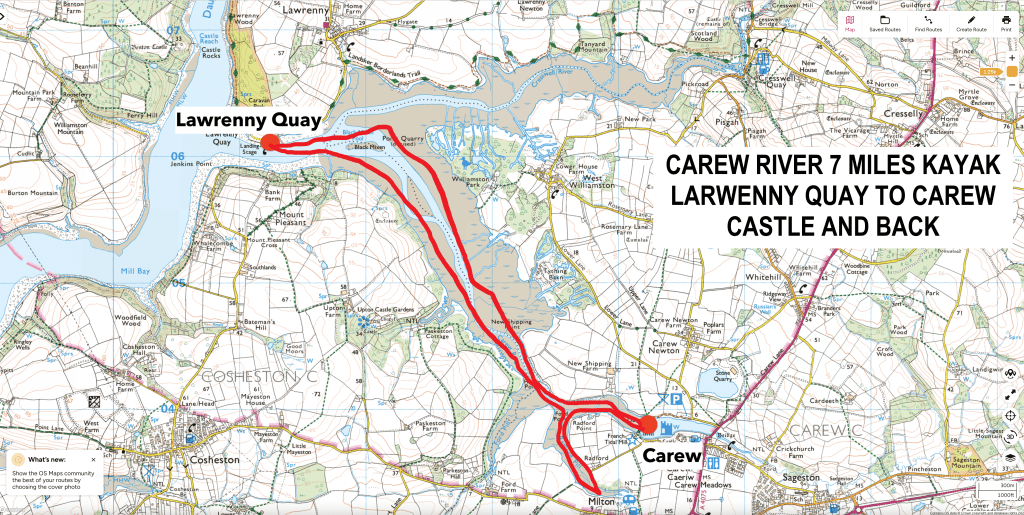
2. Map of the Route
3. Tide times and wEATHER
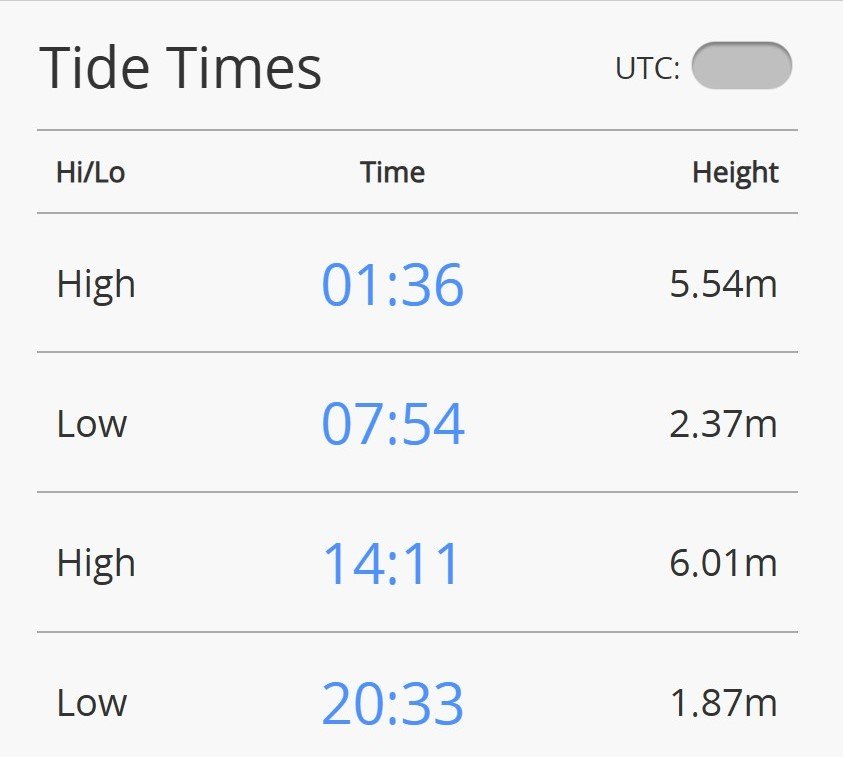
The nearest location on the Tidetimes.org website is Black Tar. It was high tide there at 14:11 on the day of my paddle and it was a 6.01 meters high tide.
It was a sunny day with light winds from the North East of about 5mph, with a high of about 13°C.
4. CaREW River Kayak
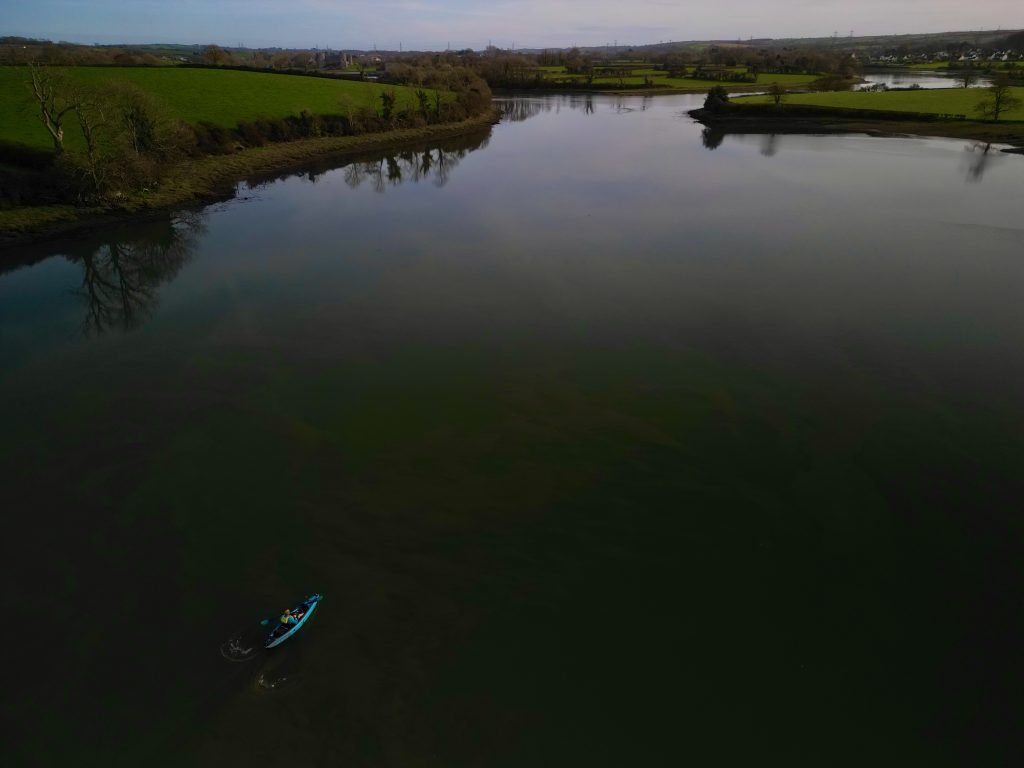
I launched at 12.30pm from Lawrenny Quay and paddled upstream the Carew river with the incoming tide.
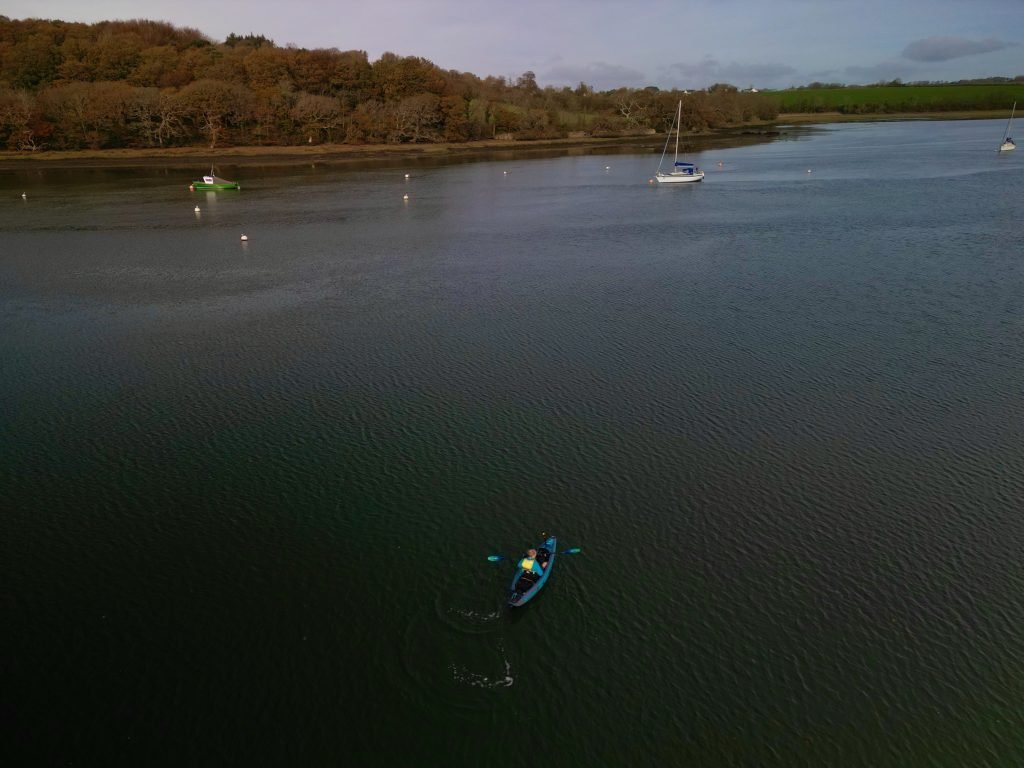
After passing the pontoon of the Lawrenny Arms pub, I continued upstream passing a large flock of Canada geese which were nestling against the south bank of the river.
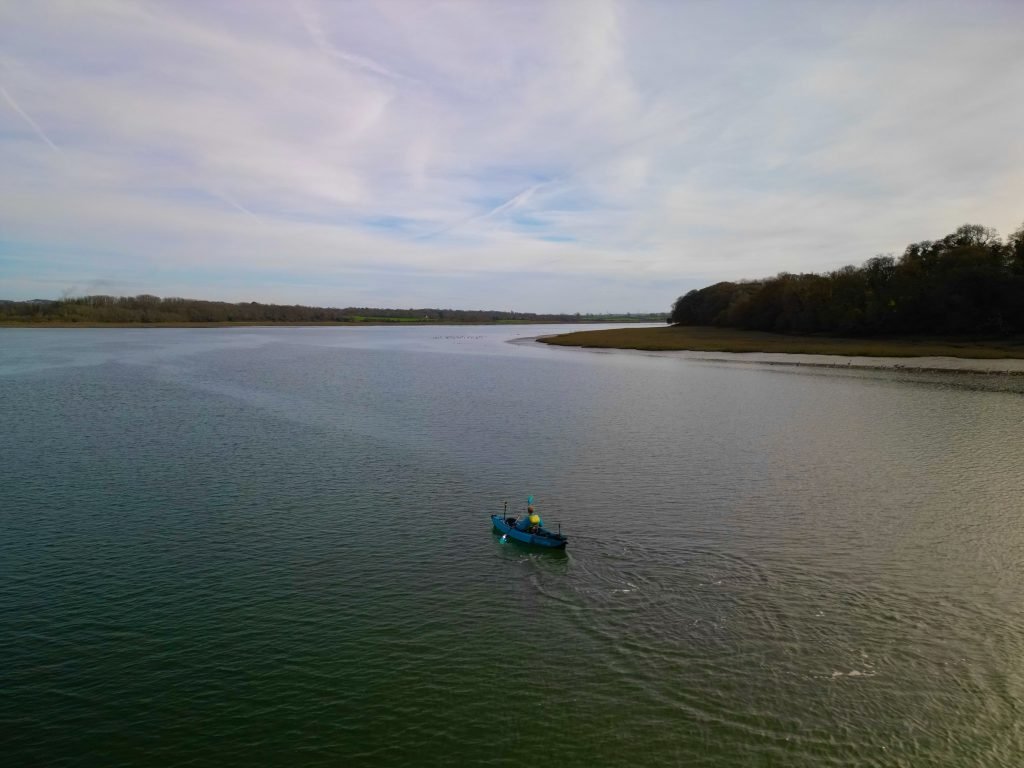
I paddled though Black Mixen Pool at the junction between the Carew and Cresswell Rivers.
Black Mixen pool which was shown on historic charts of the Cleddau as an anchorage for vessels waiting to enter the Rivers.
Unfortunately, I had left my kayak anchor at home and therefore wasn’t able to drop it to moor up at Black Mixon Pool for a rest.
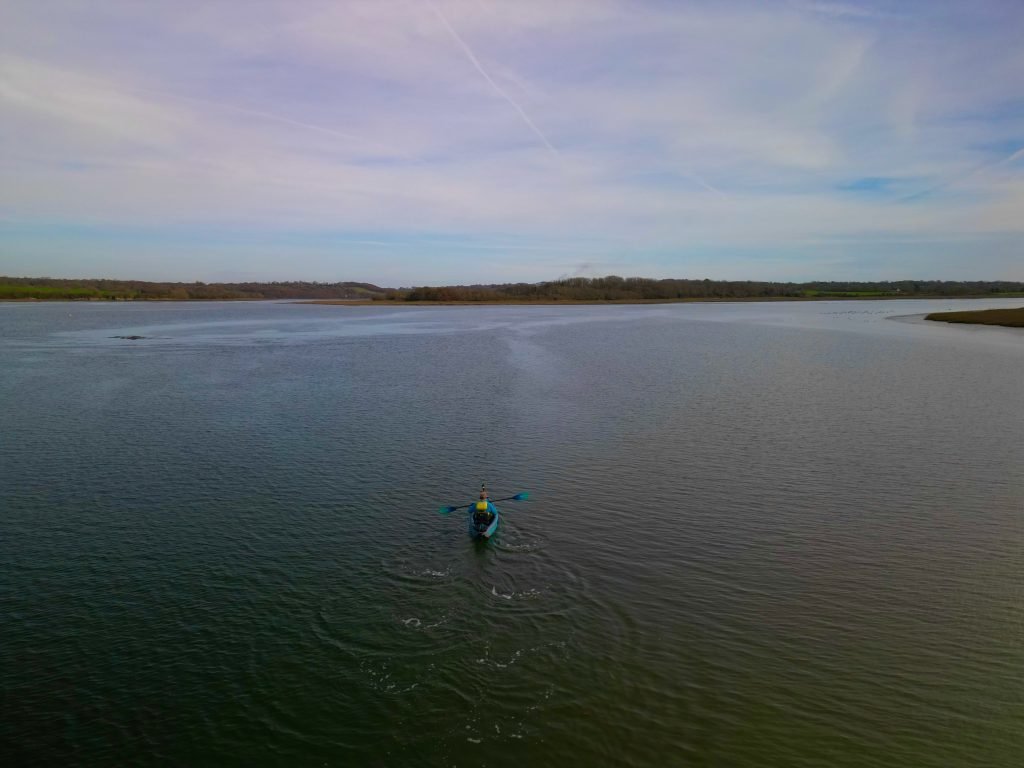
To the left over on the north bank, I could make out the village of Lawrenny sprawling along the bluffs.
Lawrenny developed around fishing, boat building and as a staging point for quarried limestone extracted from quarries upriver.
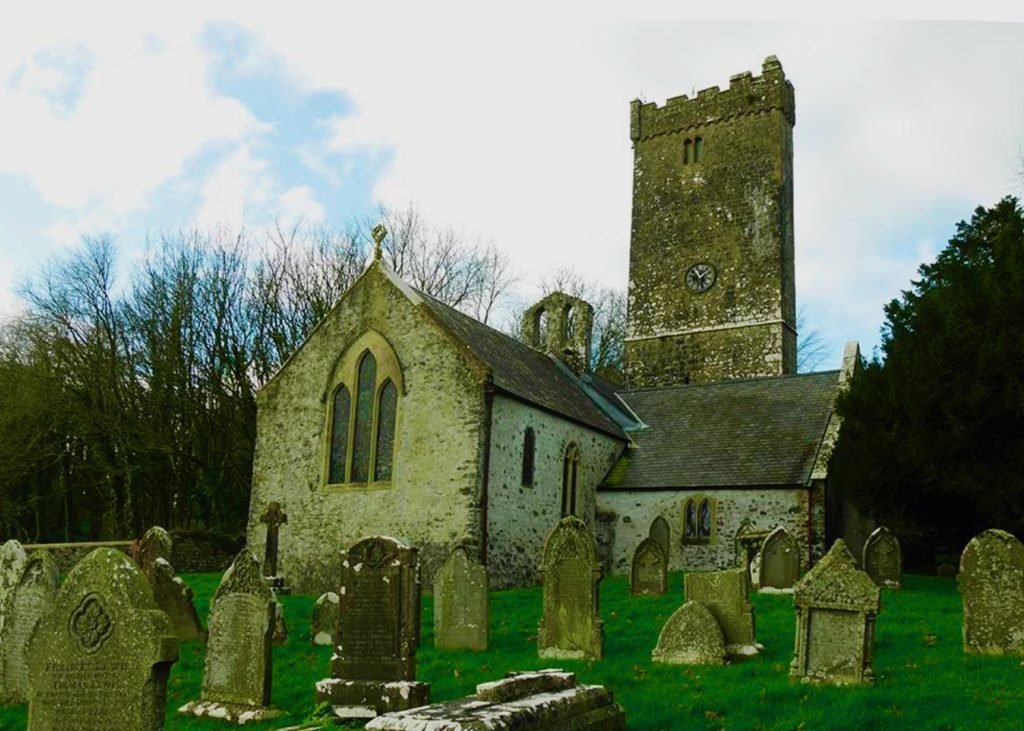
The parish church of Saint Caradoc at Lawrenny was founded in the 12th century and altered considerably since.
Over to the left I passed the entrance to the Creswell River where it joins into the Carew River.
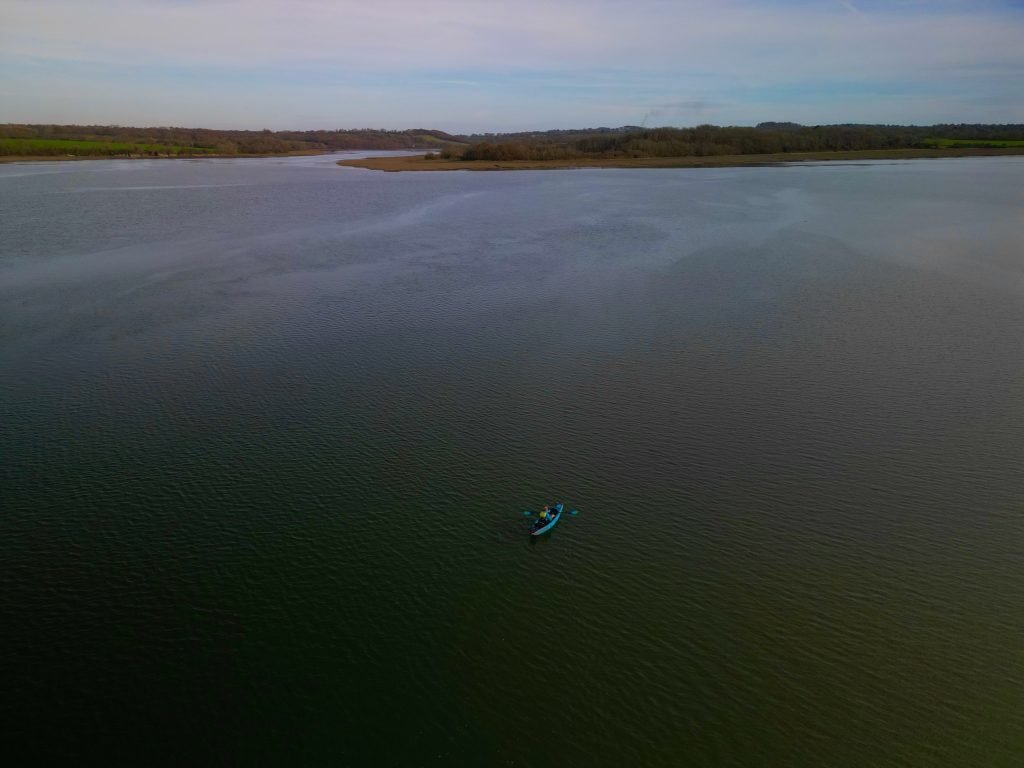
It was difficult to discern whether the incoming tide was given me that much assistance because the width of the river negated the feeling of forward progress.
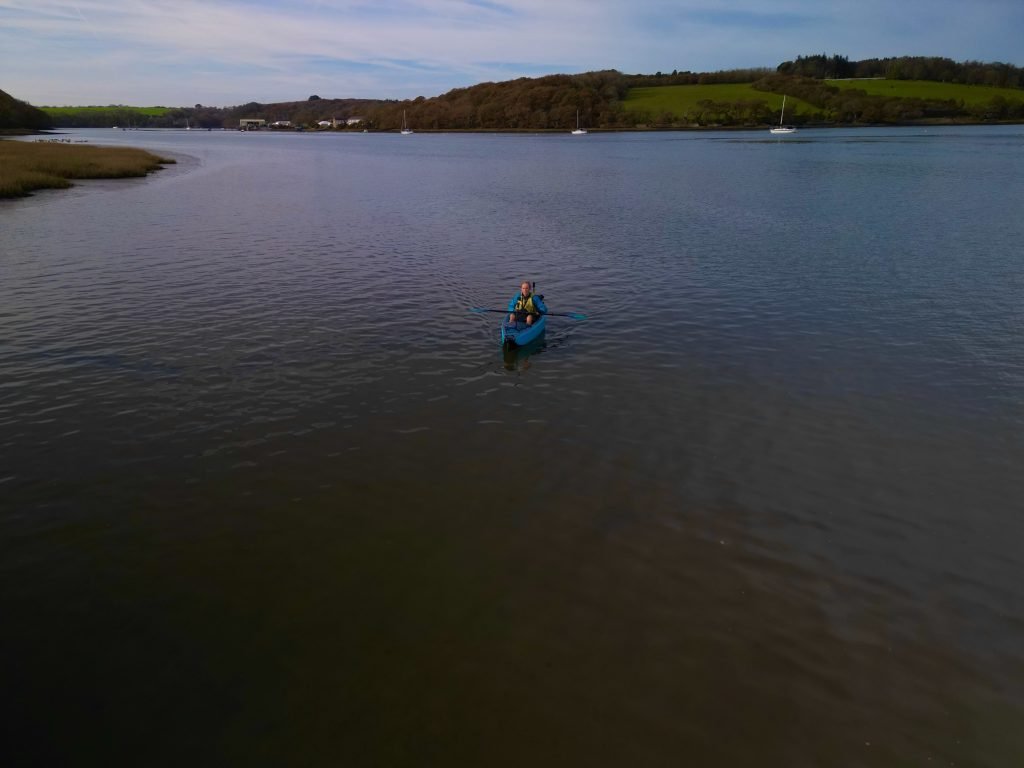
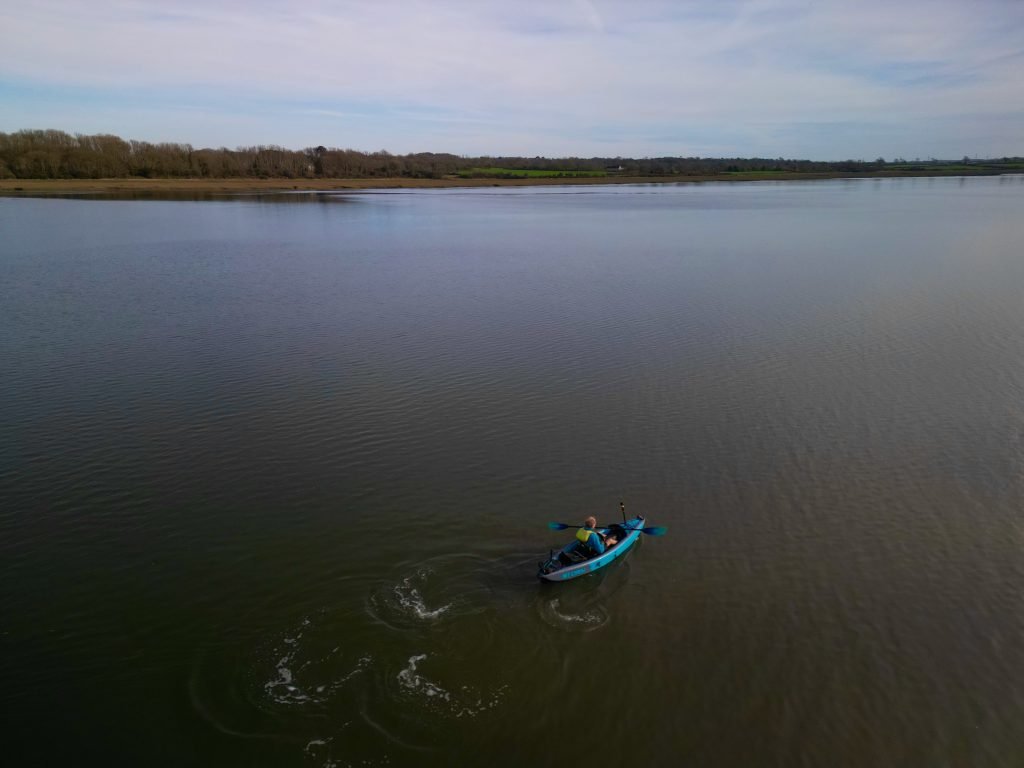
I could almost constantly hear and see waders, ducks and geese calling as I progressed upstream.
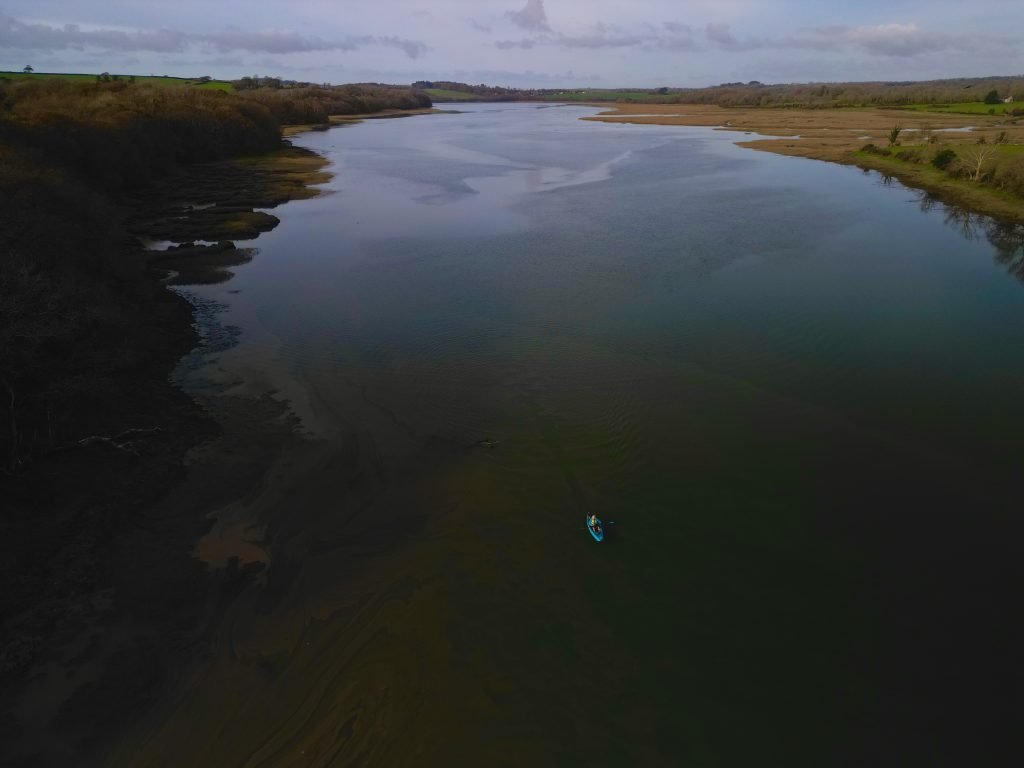
After a few miles, I turned off to the right into Radford Pill.
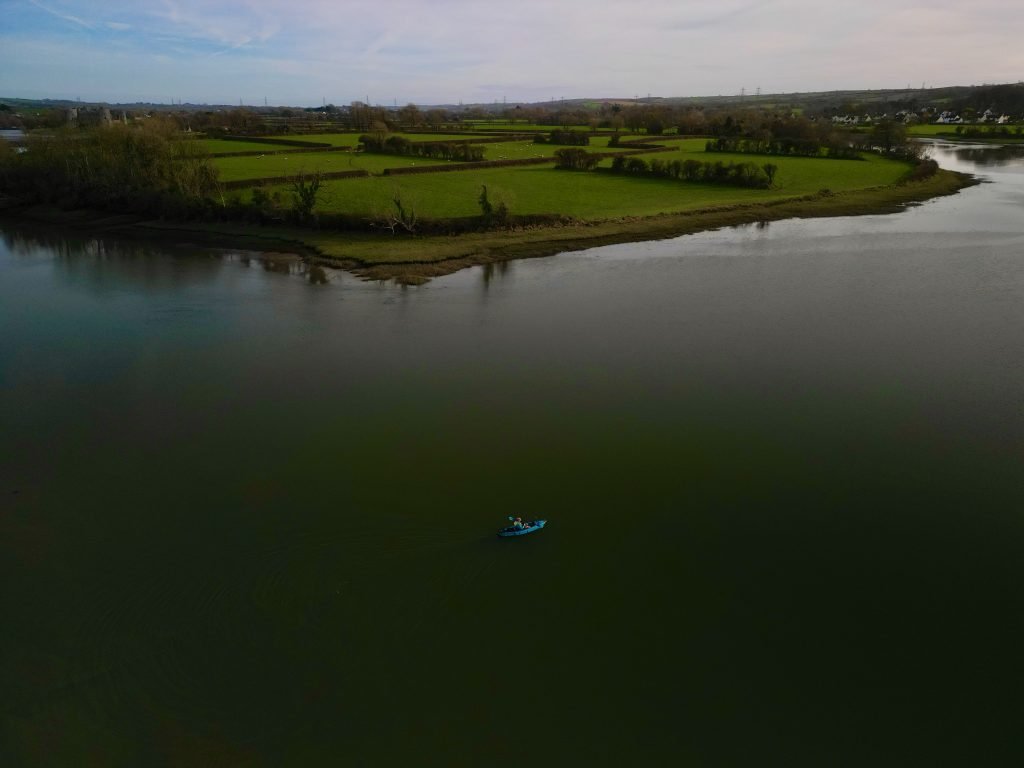
At the top of Radford pill is the village of Milton which originates to the Middle Ages.
At the time, the sludgey streaks on the water were slightly worrying, but when I subsequently showed the footage to some friends who work in the environmental field, they said that it was algal bloom, which apparently is quite common on estuaries.
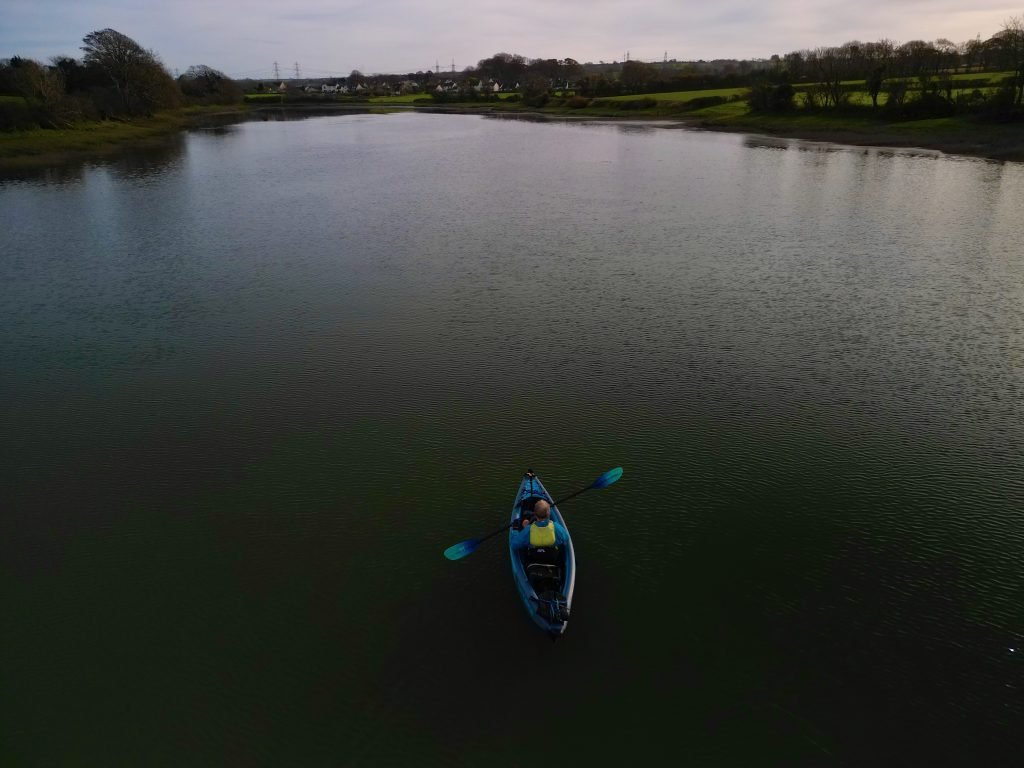
In the 1300’s Milton was apparently governed by the Malefant family, under barons of the Ear of Pembroke, who also built a small stone castle nearby downstream at Upton on the South bank of the Carew river.
I paddled back down Radford pill and rejoined the Carew River before contiuing upstream towards Carew castle.
Carew Castle loomed into view as I rounded the final bend.
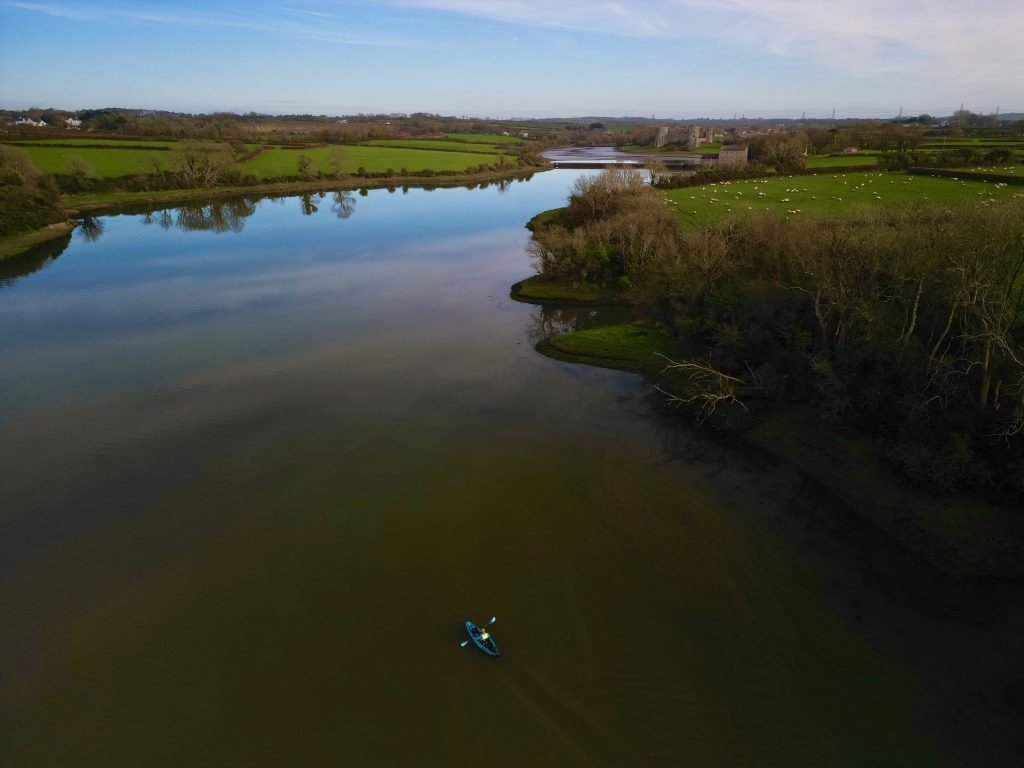
The Norman castle at Carew has its origins in a stone keep built by Gerald de Windsor in the year 1100.
The original outer walls were timber, and only the keep was of stone. This still exists in the later structure as the “Old Tower”.
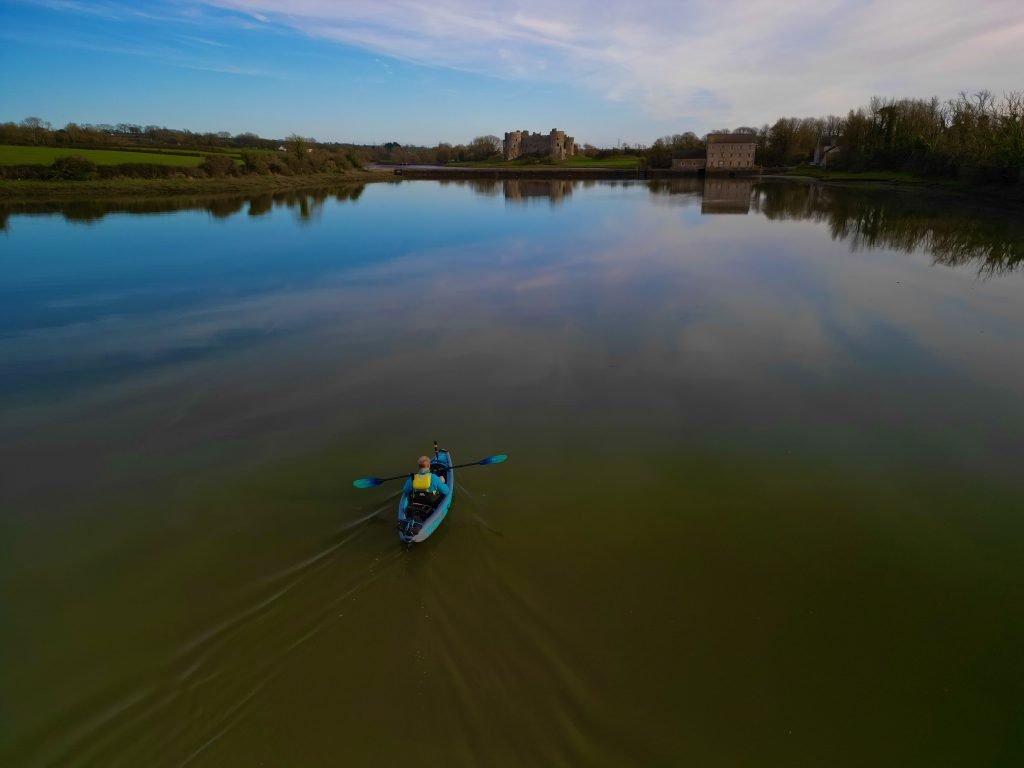
In the late fifteenth century the Castle was greatly improved and extended by a very colourful character, Sir Rhys ap Thomas (1449-1525).
During the Civil War the Castle was owned by Sir George Carew who declared for the King, but it was garrisoned at different times by both royalists and parliamentarians, and indeed changed hands four times, on at least one occasion following a fierce assault.
The precise origin of Carew Mill is uncertain.
It’s possible that a Mill worked by a Mill leat running from the Carew River pre-dated the building of the causeway and documentary evidence indicates a Mill of some kind in existence as early as 1542.
Activity finally ceased in 1937 and from that time onwards the building lay derelict.
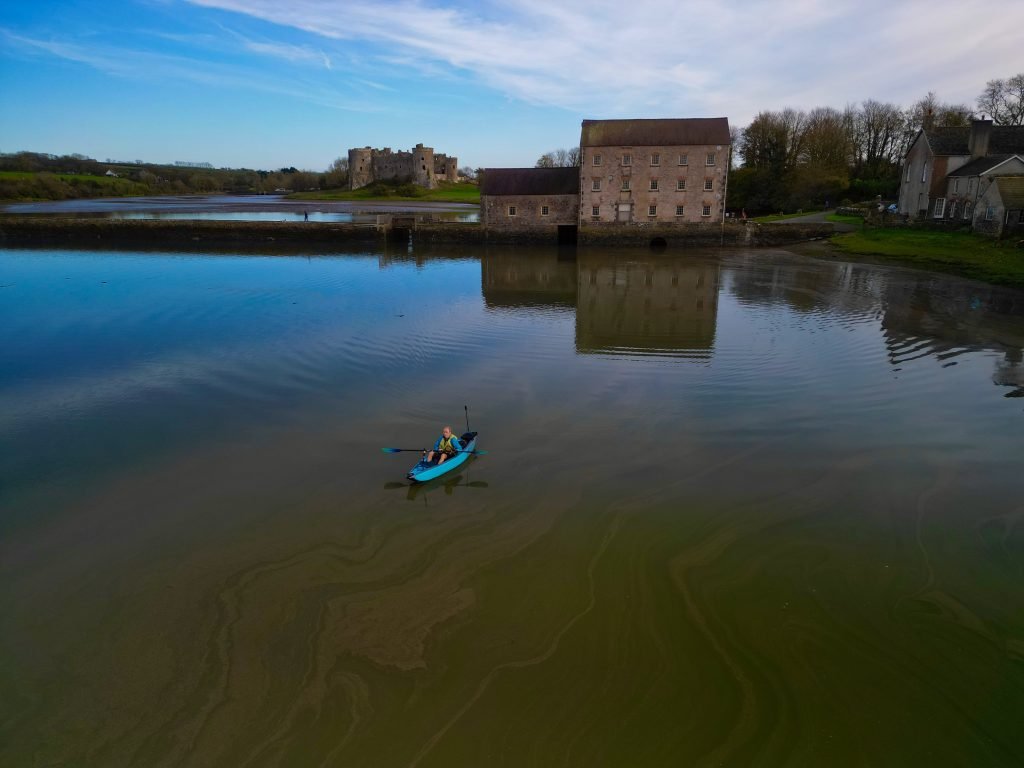
I paddled over to the bank just below the title mill on the right for the traditional beer and lunch stop before the return leg back downstream.
As a paddled back through Black Mixen Pool again, Lawrenny Quay loomed into view downstream.
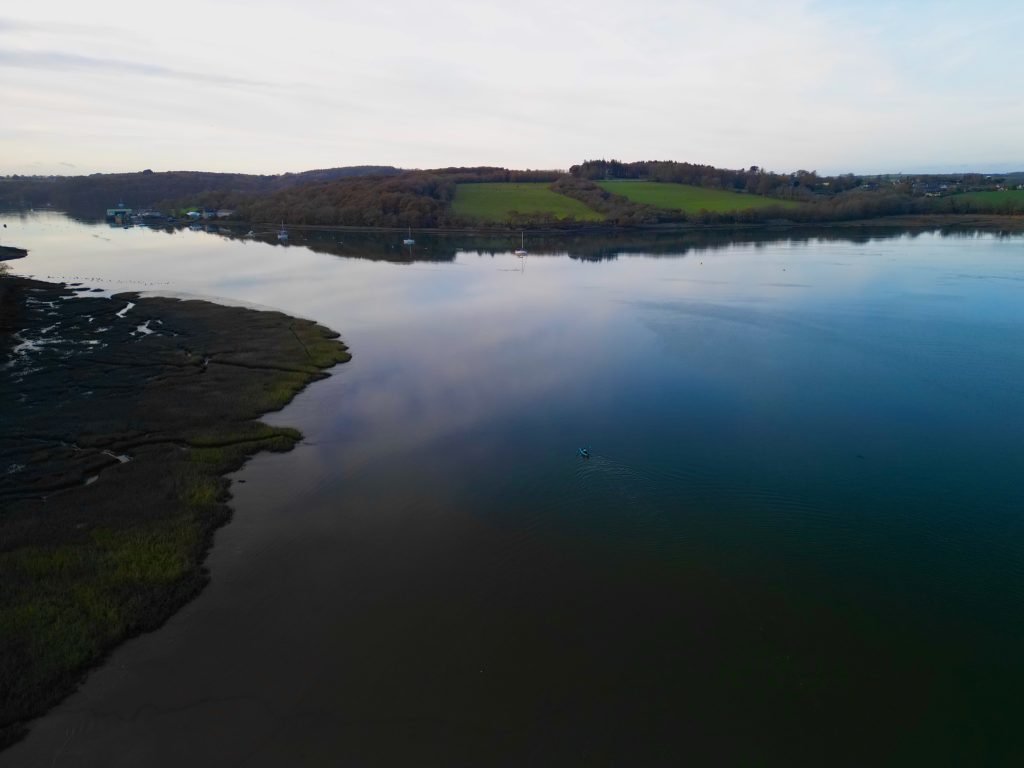
Passing the entrance to the Cresswell river off to the right, it reminded me of a great paddle I’d done previously from to Lawrenny Quay to Cresswell Quay and back on the Cresswell river.
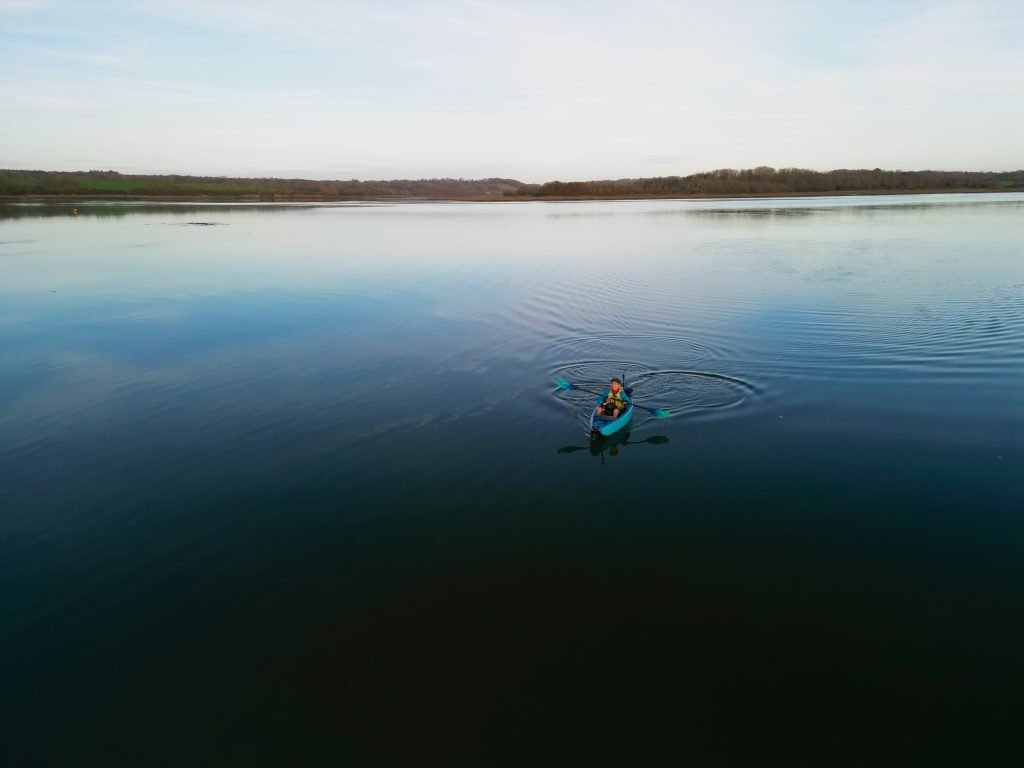
I uploaded a video of that trip to our Cleddau River Playlist of my YouTube channel and also to the blog post which is uploaded to the Cleddau River Page on my website
In dusk light, I paddled back towards Lawrenny Quay as the Western sky gradually melted into orange hues.
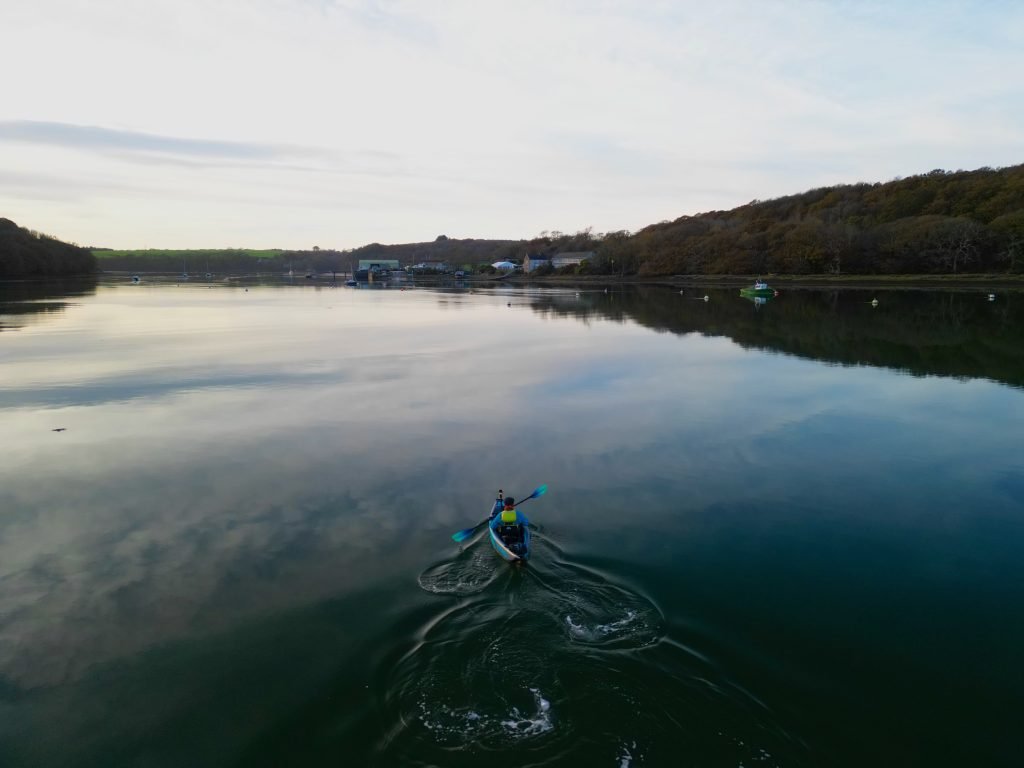
I landed back at Lawrenny Quay at 16:00.
5. LOGISTICS
Regarding logistics, since this was a circular kayak, it was relatively straightforward.
At Lawrenny Quay, there are 2 options for launching and landing.
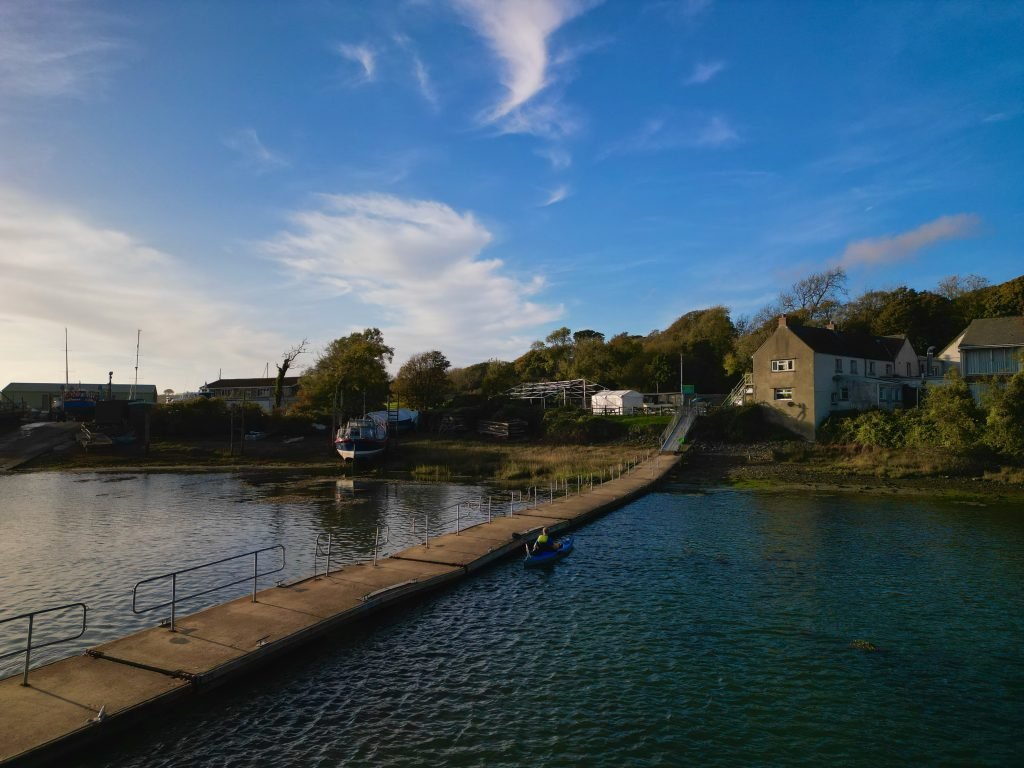
On previous occasions, we have parked and launched and landed at the pontoon of the Lawrenny Arms pub.
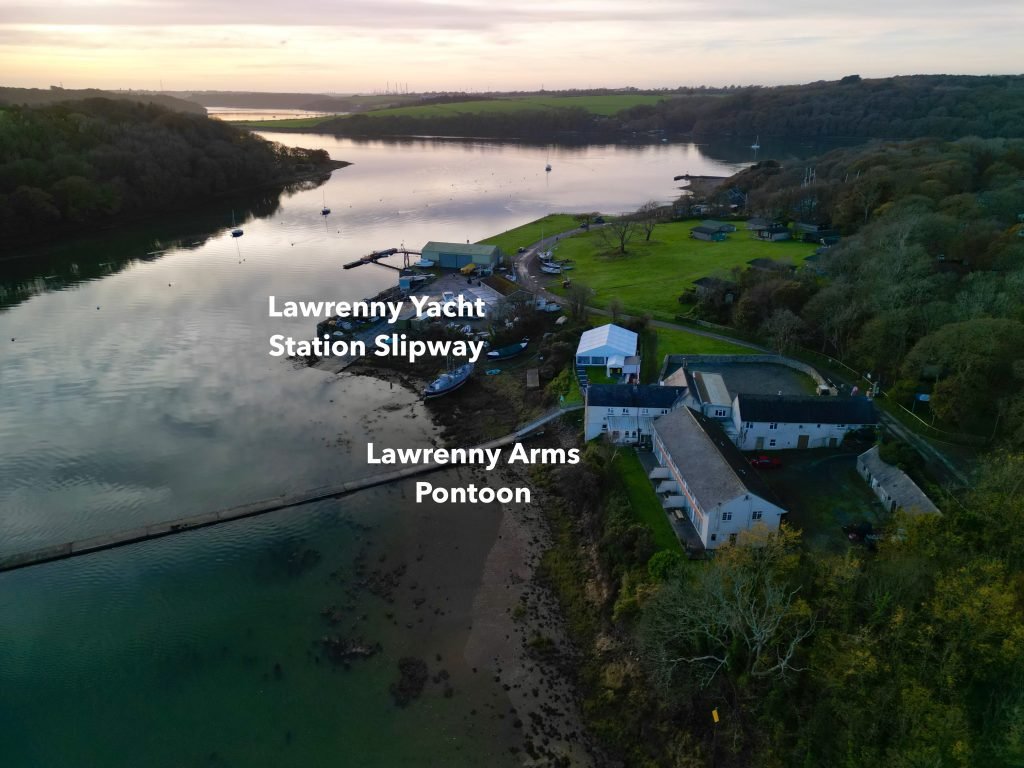
This pontoon is for you by patrons of the pub but they are okay with kayakers using it as long as you have a drink and maybe food either before or after or kayak, as we have done on previous previous occasions.
Alternatively, as on the date of this trip, you could launch from the slipway at the adjacent Lawrenny Yacht Station.
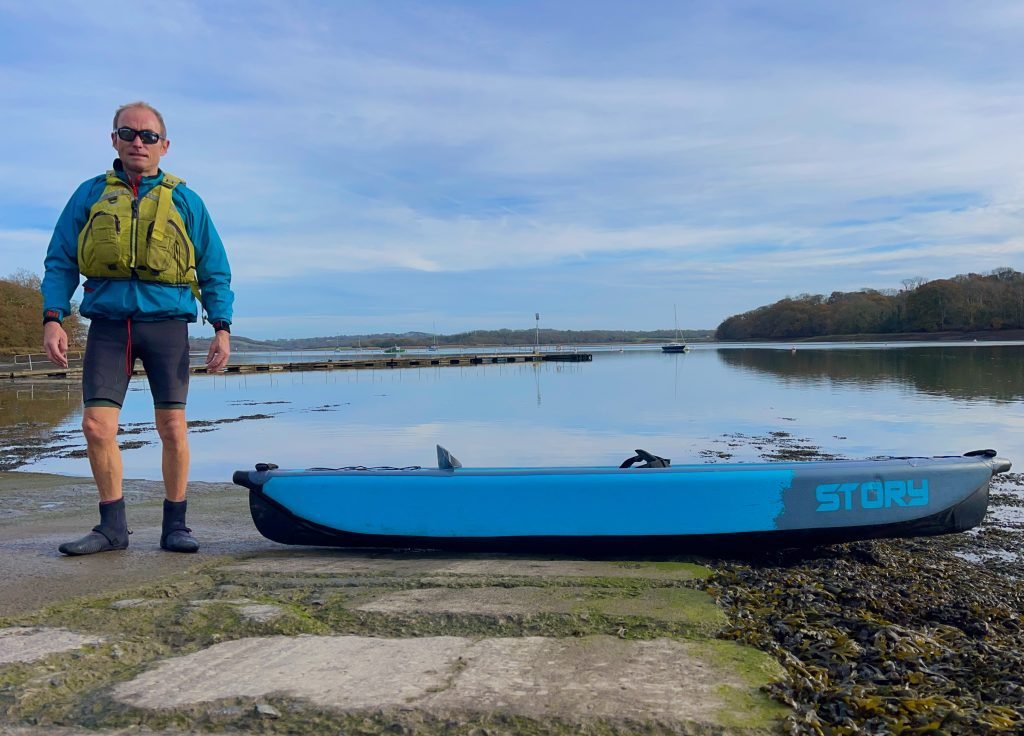
If you want to launch at the yacht station then call at the office give them your details before you launch.
They ask for a donation to the RNLI, which after all, it is the most worthy of causes.
If you were launching from the boatyard then they will direct you where to park, but it will usually be on the road next to the boatyard.
6. Pubs and Restaurants
Lawrenny Arms
I have been to the Lawrenny Arms several times including twice when having launched from there on kayaking trips.
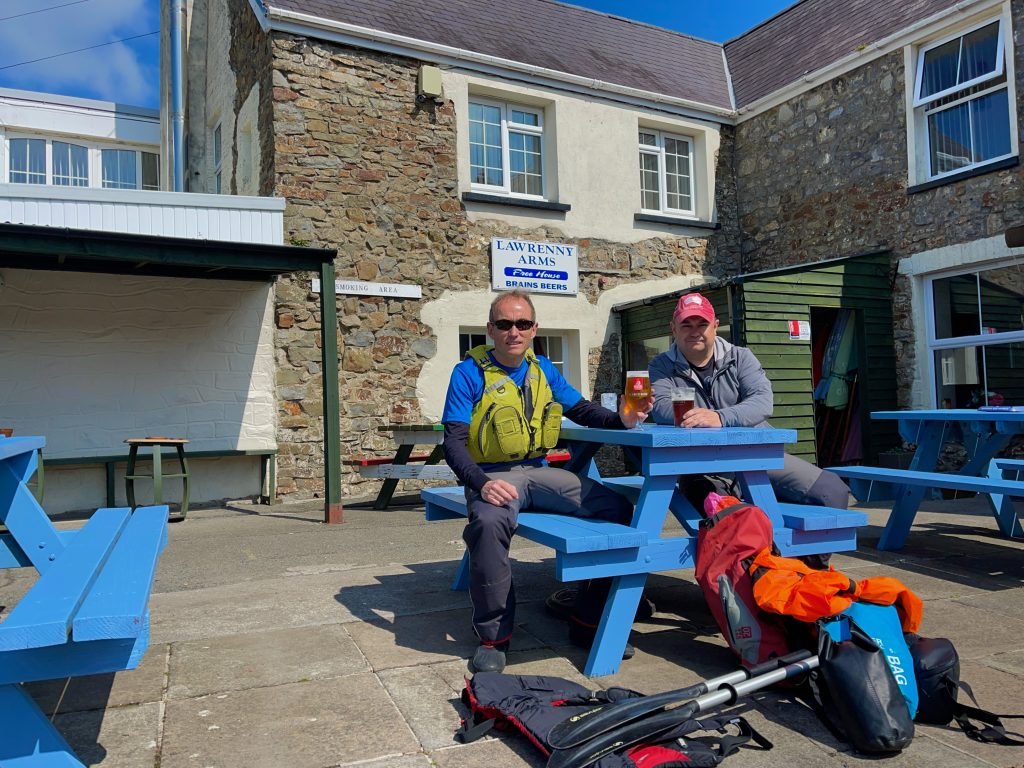
We had food at the Lawrenny Arms prior to a previous kayak trip on the Cleddau on a later date and it was excellent.
Cresselly Arms
As you know, we navigate by pubs and there is great pub at Cresswell Quay called the Cresselly Arms where you can have a drink before paddling back to Lawrenny Quay if you paddle up the Cresswell River from Lawrenny Quay.
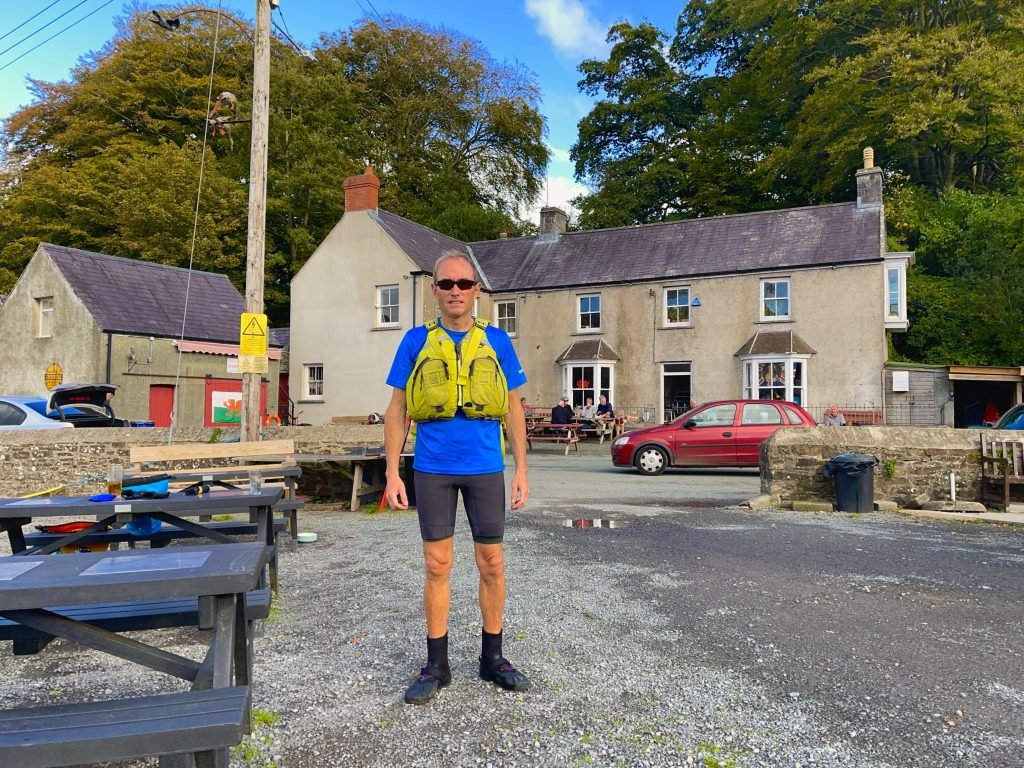
The Cresselly Arms was a great stop off for a break at the turn around point when I did a circular Cresswell River kayak previously.
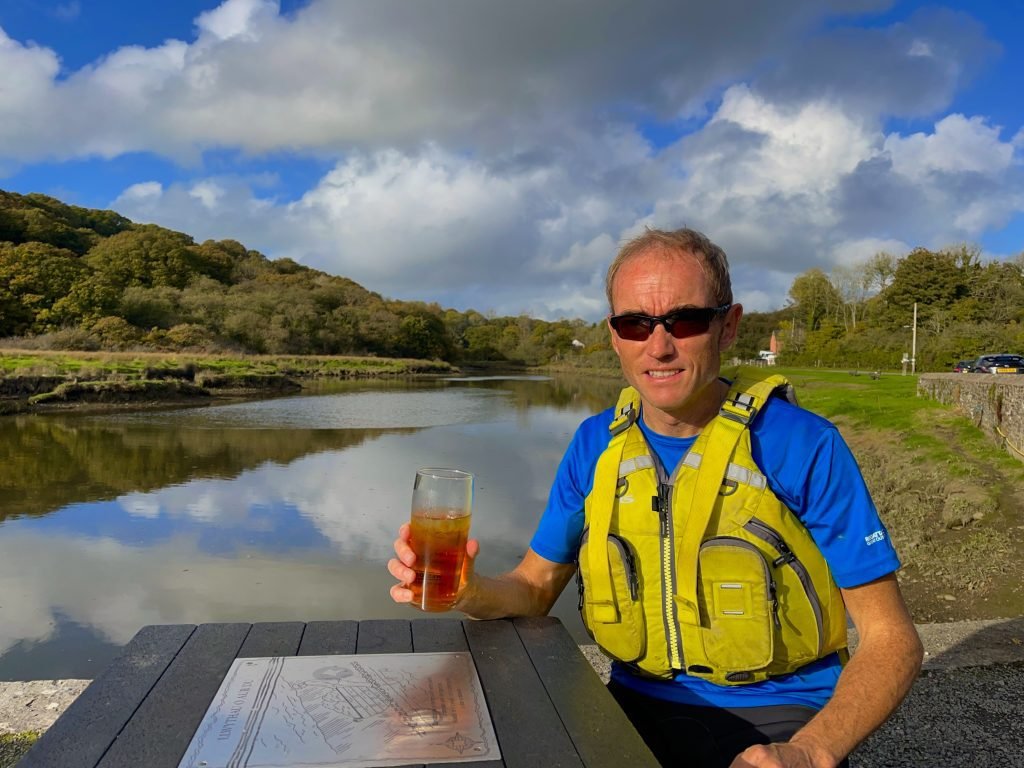
Carew Arms
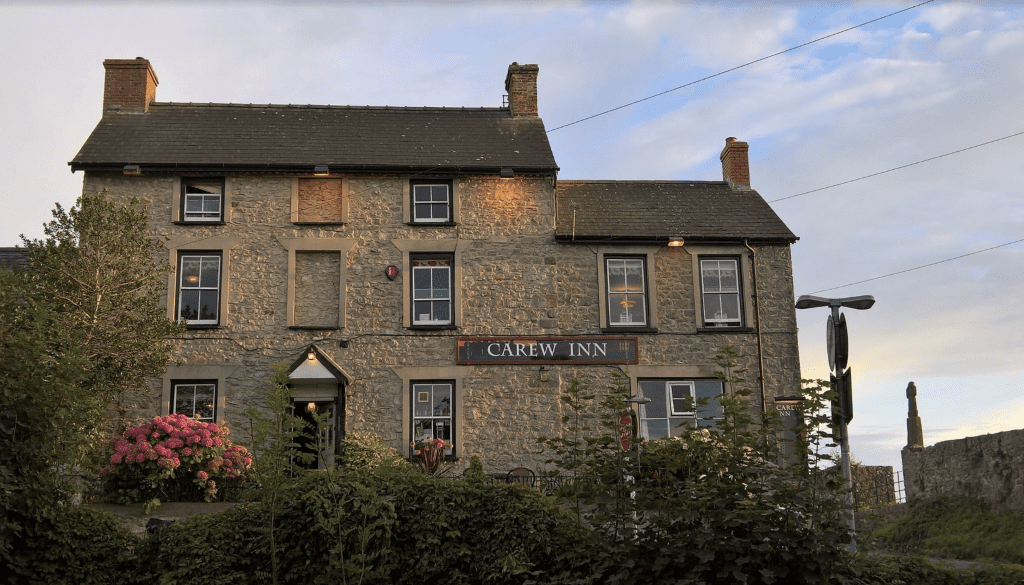
The Carew Inn in the village of Carew which nestles behind the magnificent castle is a superb publisher steeped in history.
7. Dangers and Issues
While the Kettle River is a relatively safe route, it is very tidal and you therefore need to plan paddling it around the tide times.
On the day of my trip, it was high tide at about 14:10.
I usually use the website tidetimes.org to plan the tide times for any tidal waterway that I am going to paddle.
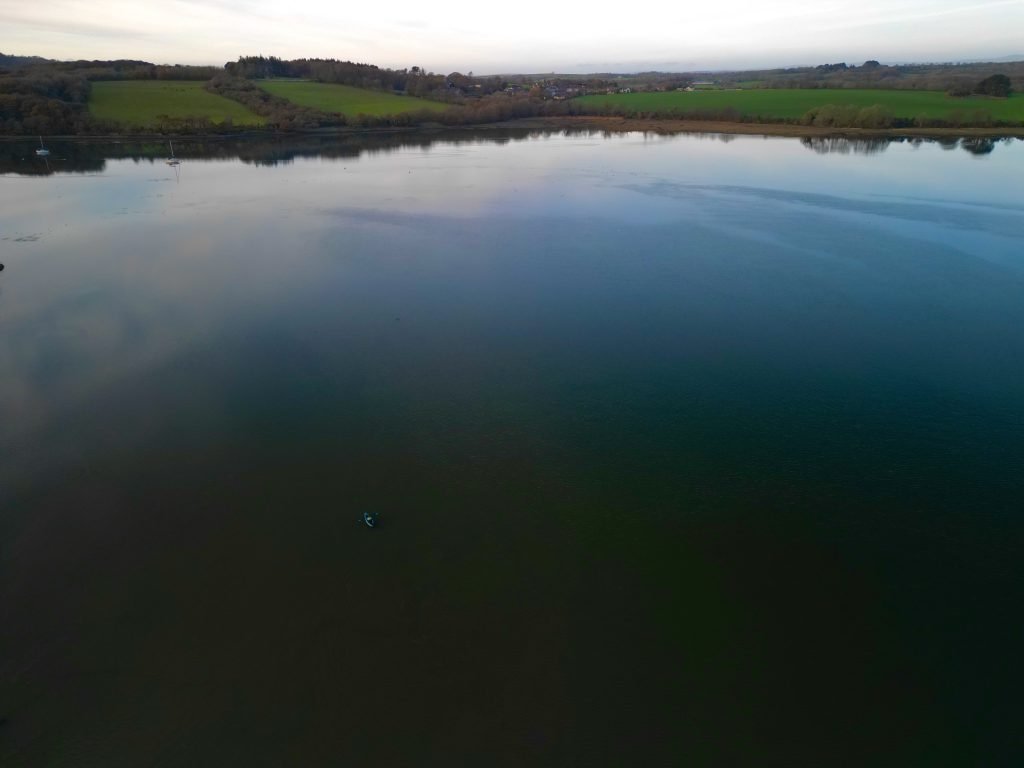
You should plan to paddle upstream with the incoming tide and get to Carew Castle at about high tide.
This will enable you to paddle back downstream for the return leg with the outgoing tide.
It depends how fast you paddle, but ideally you need to launch at Lawrenny Quay between 2–3 hours before high tide if you were planning to do this trip.
Are you used the tide times for Black Tar since this is the nearest location on the tide times.org website to the Carew river.
On the day of this trip, the high tide at Black tar was about 6 meters which seems to be roughly halfway up the range for high tides at this location.
I would suggest paddling this route when there is a reasonably high tide in the upper half the range for high tides on the Cleddau, since this will help to ensure that there is enough water in the river to reach up as far as Carew Castle.
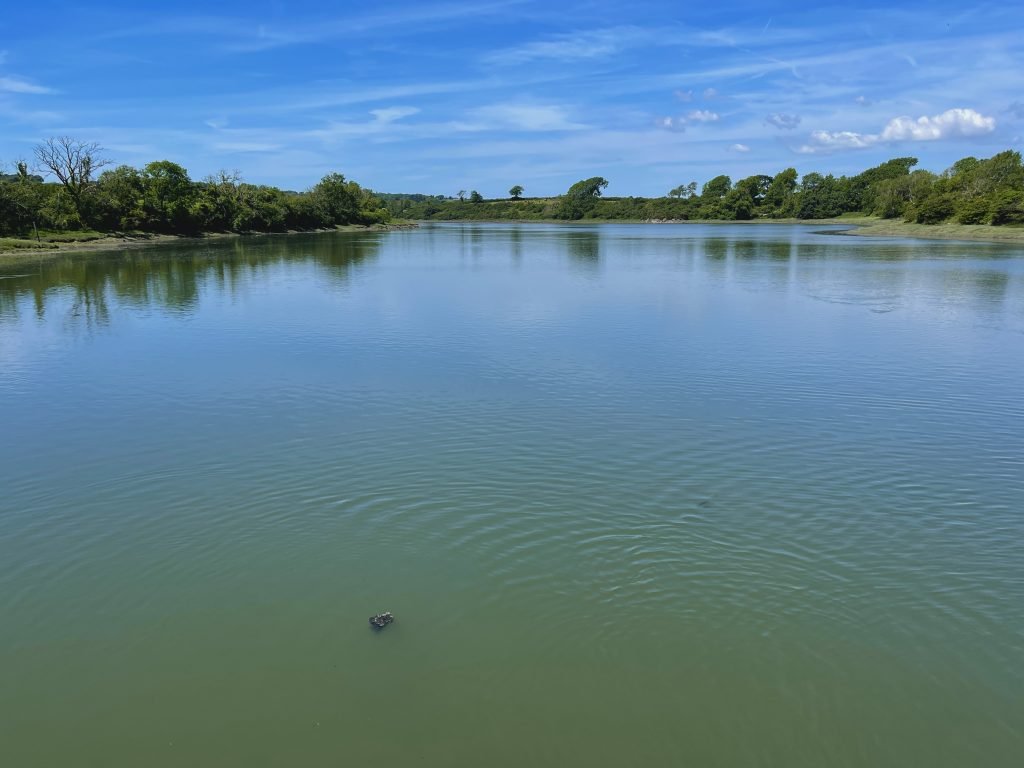
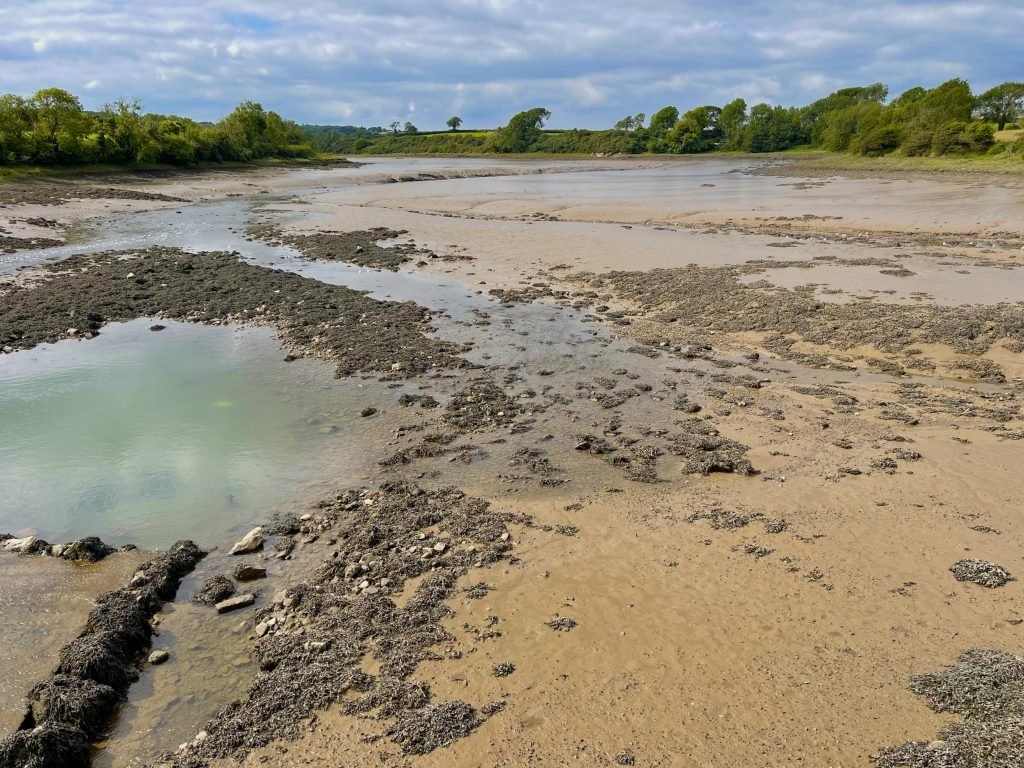
As with many of the tributaries of the Cleddau, the Carew his very tidal and it’s not suitable to be paddled 2 hours or so are you side of low tide since so much of it then becomes mudflats with only a very narrow channel of water to paddle in.
8. Kayak Used
On this trip I was using a Story Division 1 inflatable kayak.
This is a full drop stitch inflatable kayak which inflates to 10 psi with the result that the hell and decks are very firm and rugged.
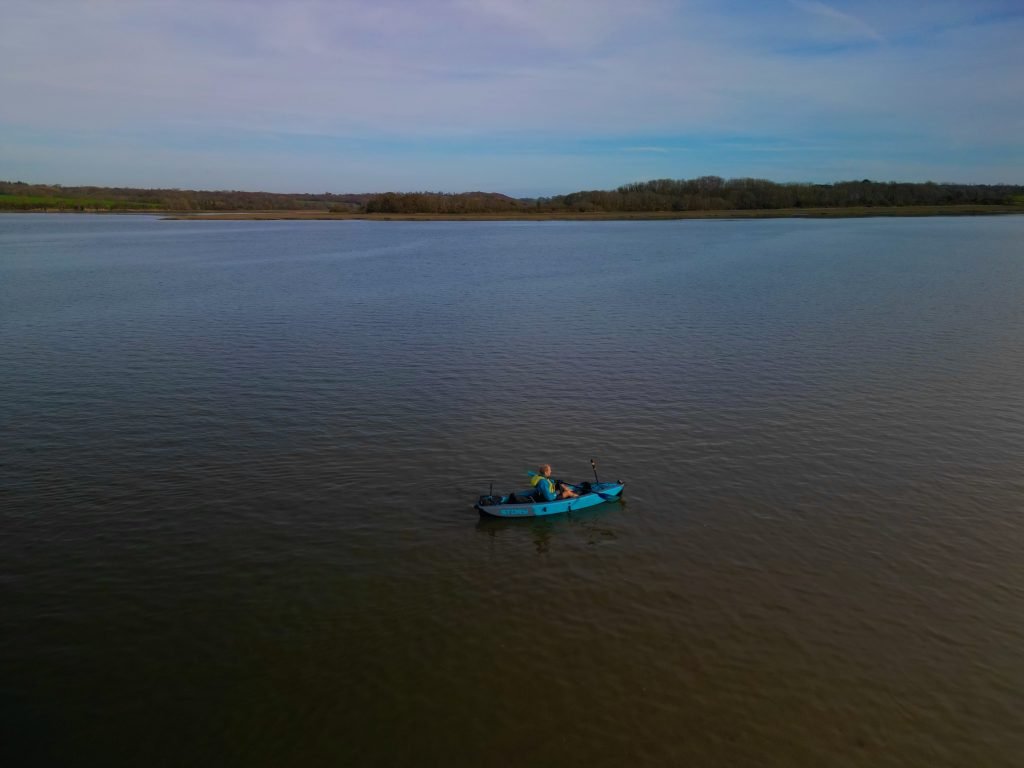
We generally use inflatables because of the amazing portability that they offer.
While not as stable as most of our other kayaks, we have found the Story kayak to be one of our fastest fast for inflatable and it tracks well due to the V shaped hull and the hard plastic bow and stern ribs.
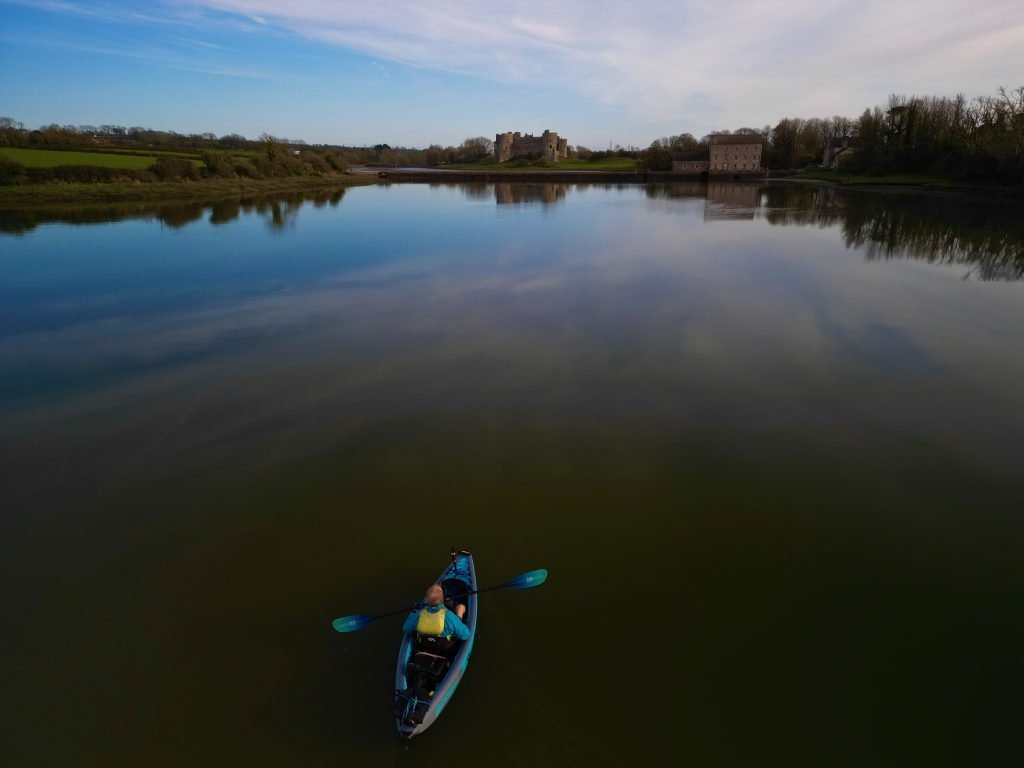
We’ve done a review of the Story Division One kayak on our Kayak Reviews page of our Product Reviews category and also done a full video review of it on on our product review playlist of our Youtube Channel.
9. THE CLEDDAU RIVER
The Cleddau River and it’s tributaries offer countless opportunities for paddling trips.
It is an amazing river system, consisting of the Daugleddau, the Western Cleddau, the Eastern Cleddau, the Carew, the Cresselly, and the Pembroke rivers, together with small pills and tributaries.
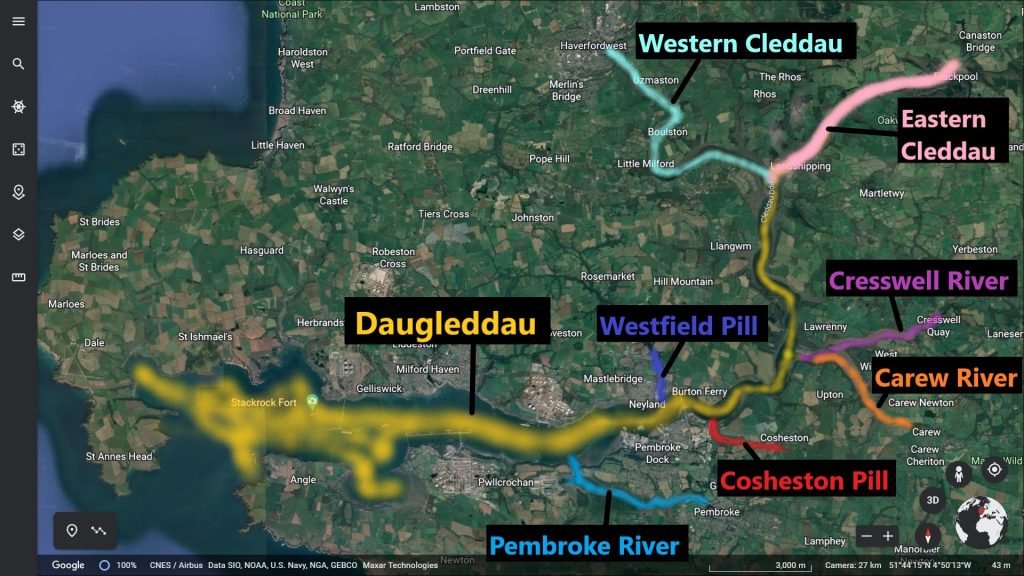
We have paddled all of the Cleddau and it’s tributaries and are uploading videos of our trips on them to our Cleddau river playlist of our YouTube channel.
10. SUMMARY
This 7 miles round-trip is a great paddle if you are down in the Pembrokeshire area.
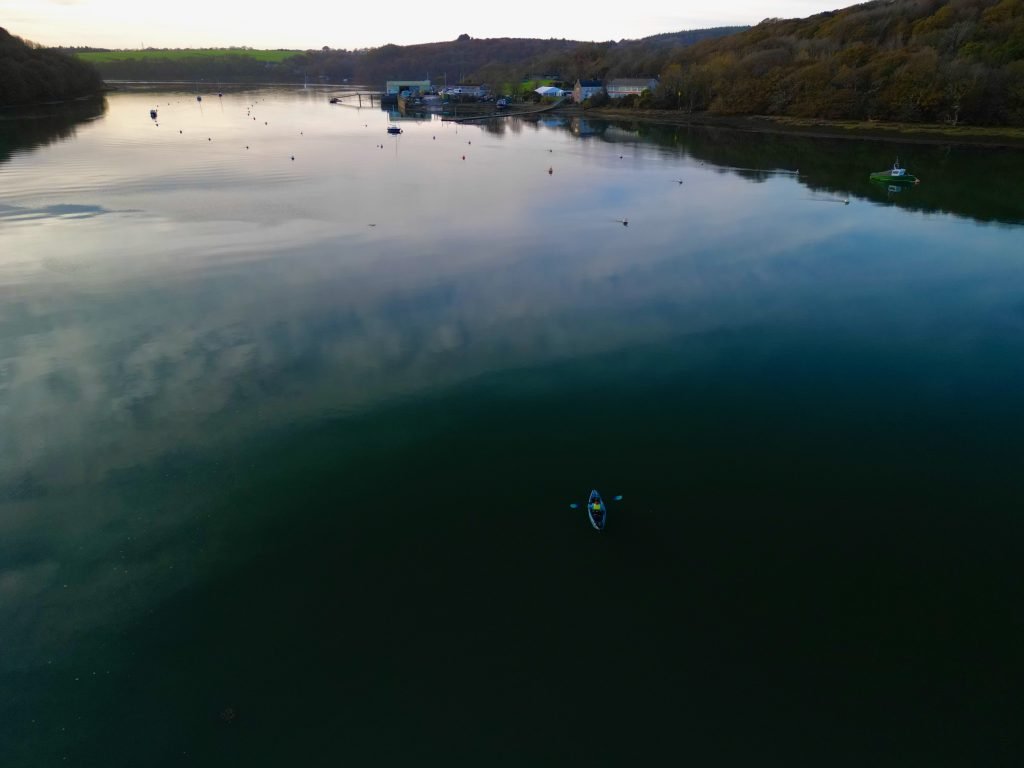
Carew Castle and Tidal Mill provide a stunning spectacle to paddle up to.
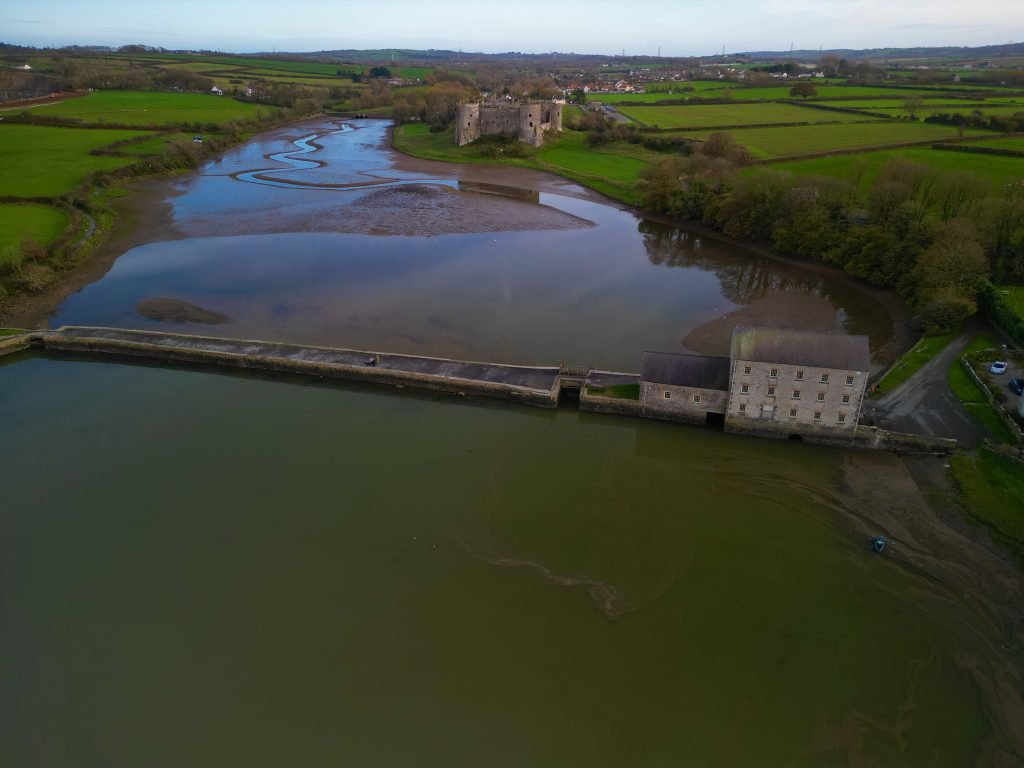
The only caveat is that it’s crucial to plan this route around the tide times since its very estuarine.
The Carew is one of my favourite tributaries of the Cleddau River and this winter paddle was a magical experience that reminded me of why I love kayaking so much.