
CONTENTS
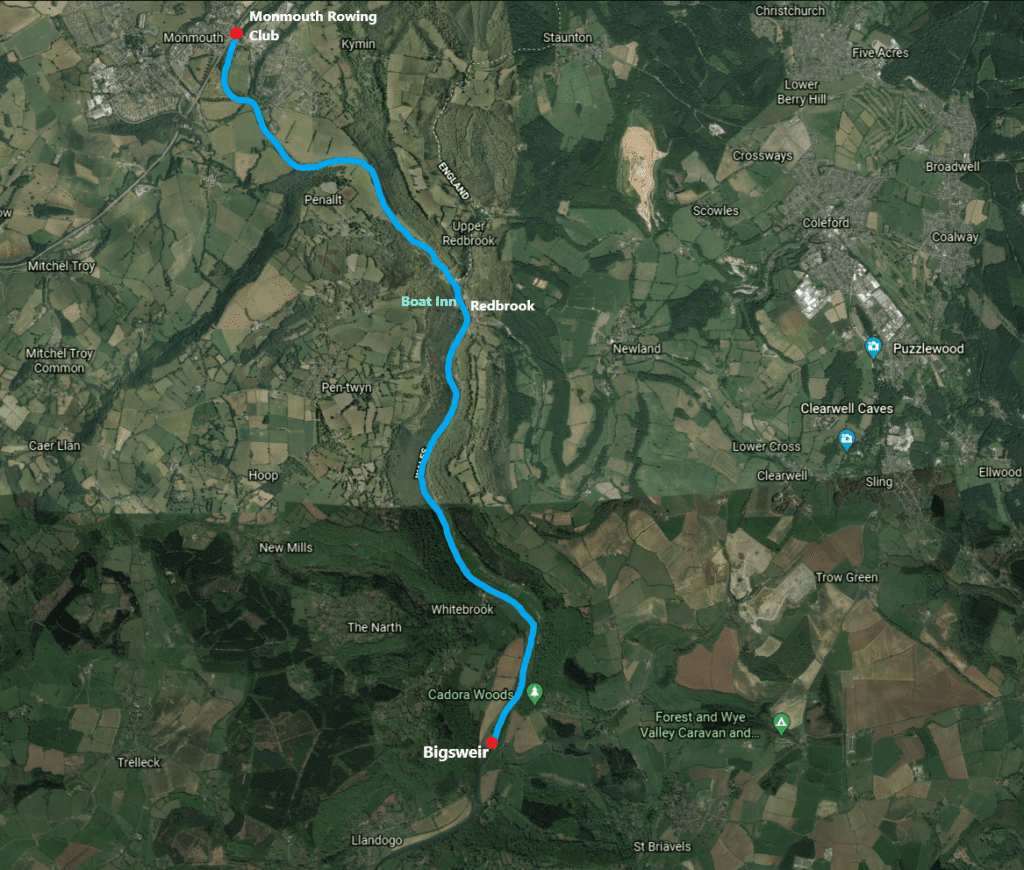
- Date, Distance & Map of Route
- Water Level & Weather
- Description of the kayak
- Logistics
- Dangers/Issues
- Kayaks used
- Summary
1. DATE, DISTANCE & MAP OF ROUTE
We did this 6 miles kayak from Monmouth to Bigsweir Bridge on the 1 June 2019.
We actually started paddling at about 13.00 and finished at about 16.30, so it was about 3.5 hours, although we stopped at the Boat Inn for almost an hour, so we were only on the river for about 2.5 hours.
2. RIVER LEVEL & WEATHER
It was a warm day with highs of about 22 Celsius and light winds of about 8mph from the SE.
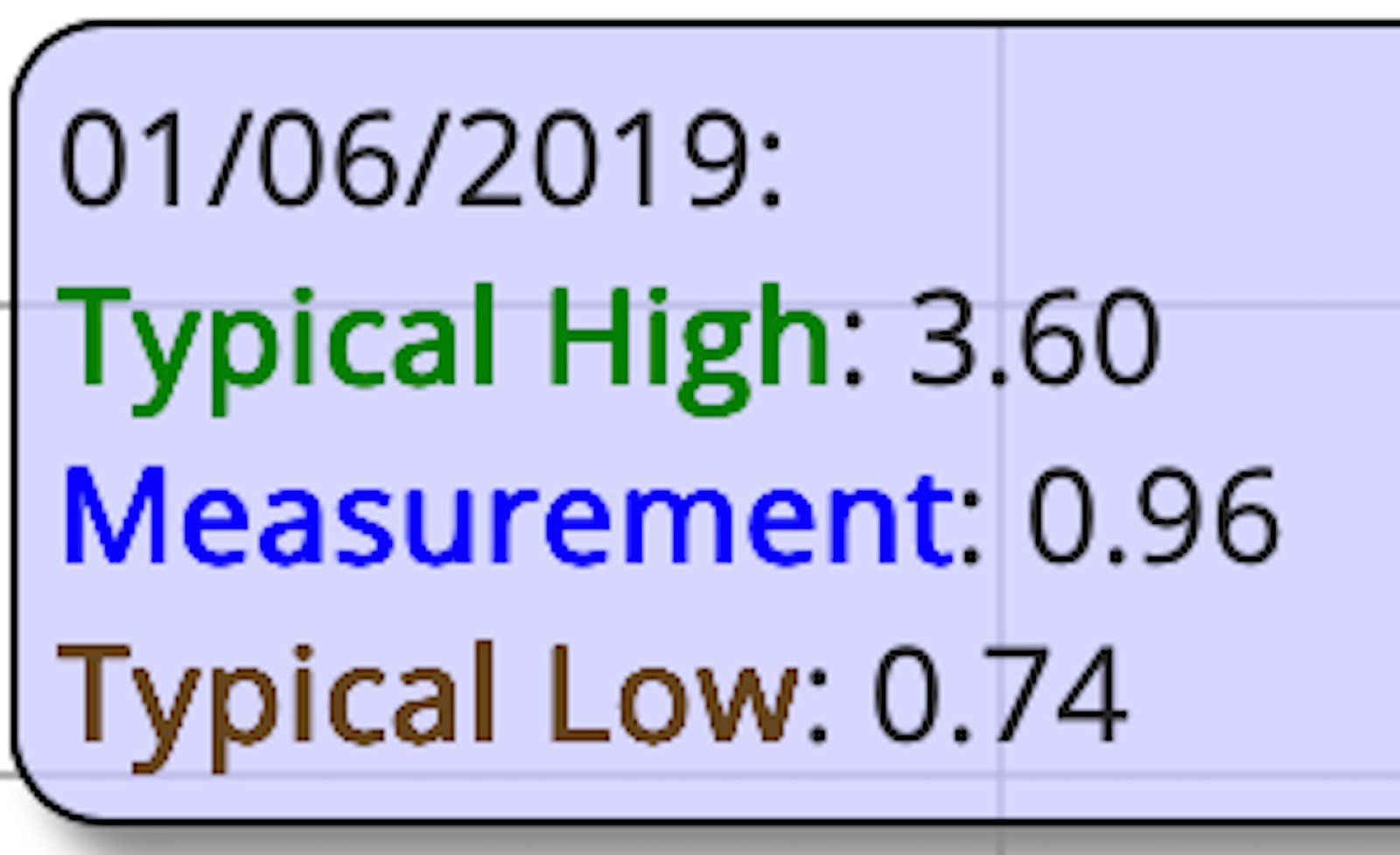
The river level at the Monmouth gauging station was 0.96 meters, which was quite low.
3. THE MONMOUTH TO BIGSWEIR KAYAK
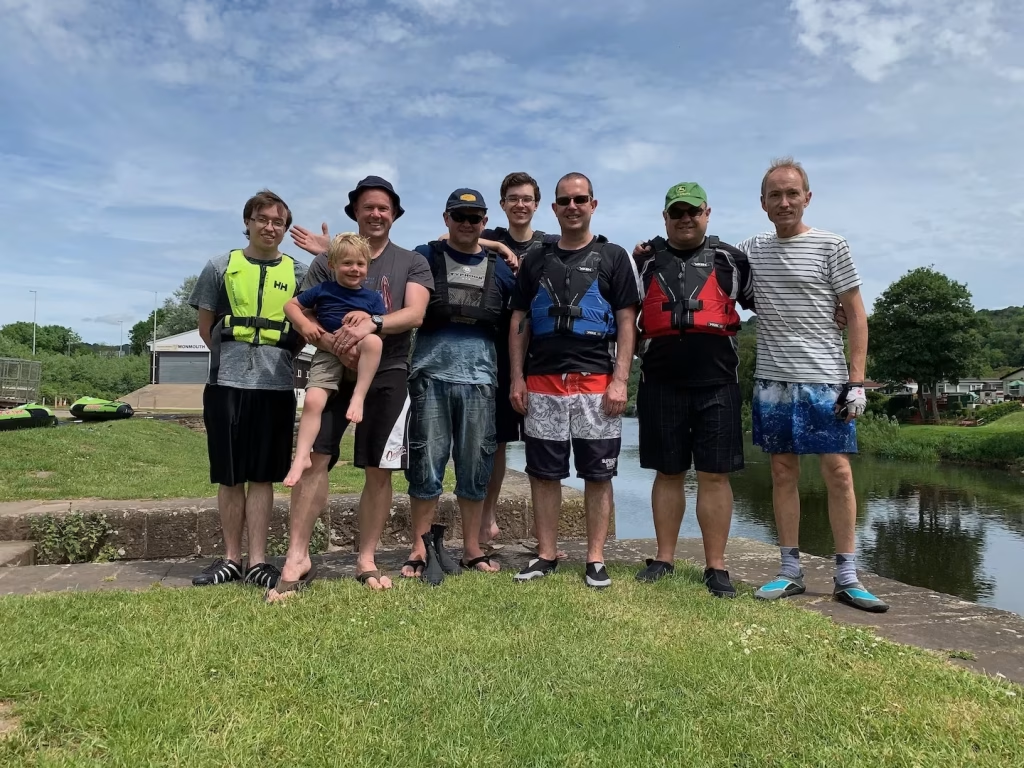
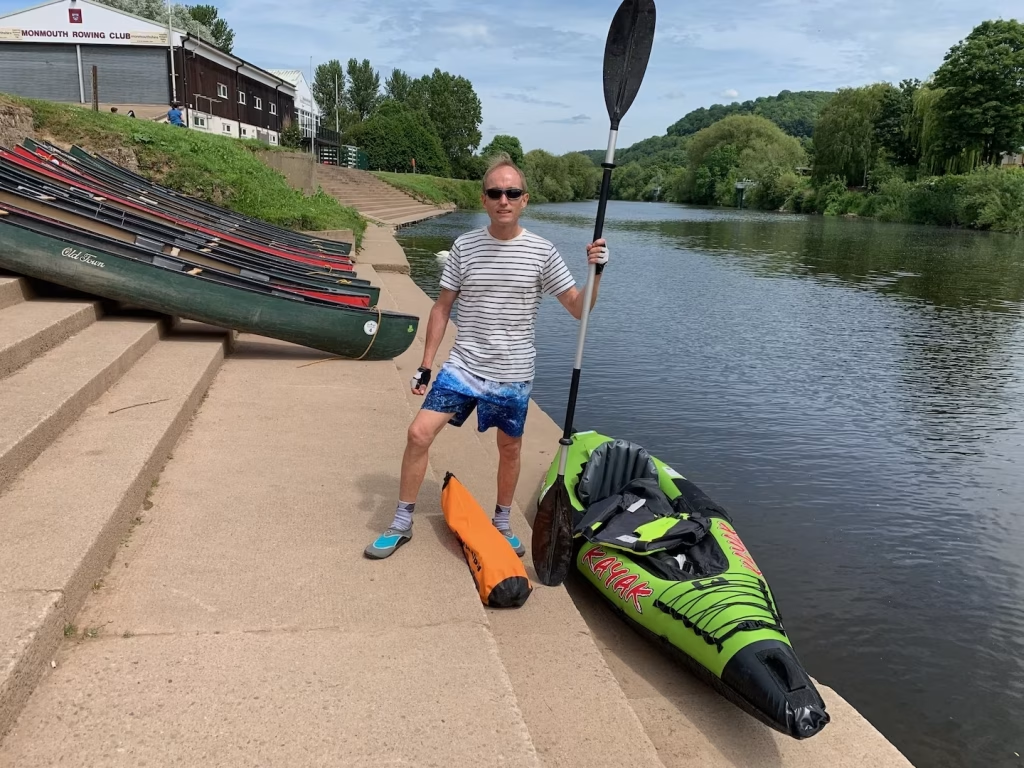
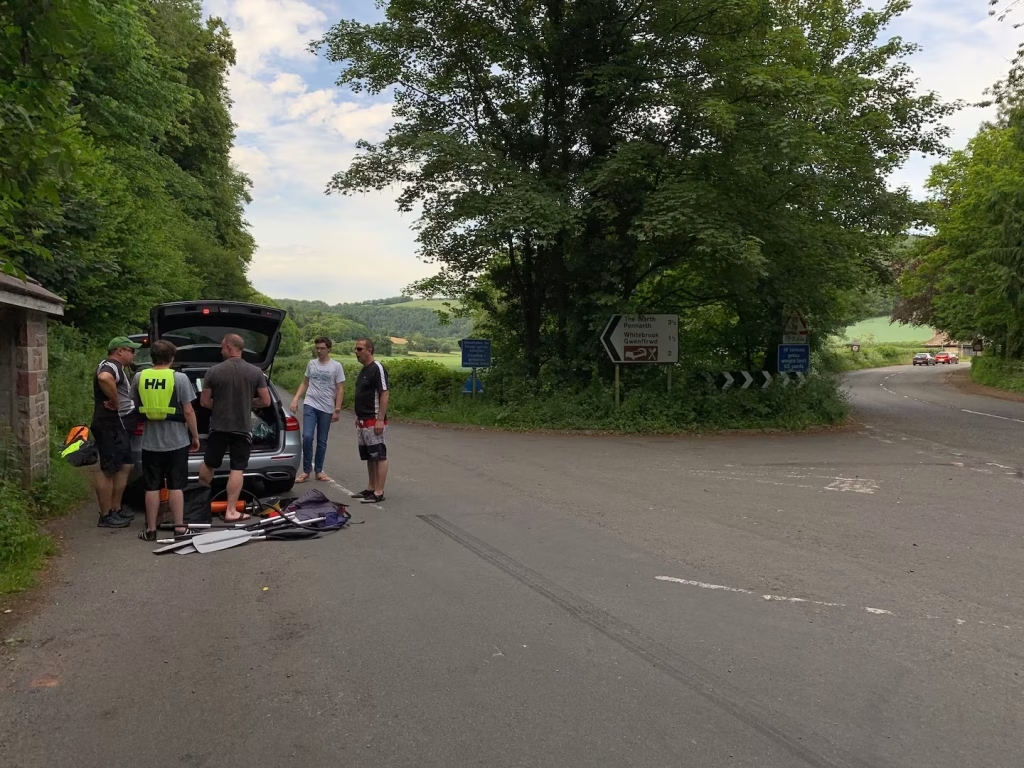
We had a group photo of our “Kayak Crew” before setting off from Monmouth Rowing Club.
After inflating our kayaks we launched from the steps at Monmouth Rowing Club.
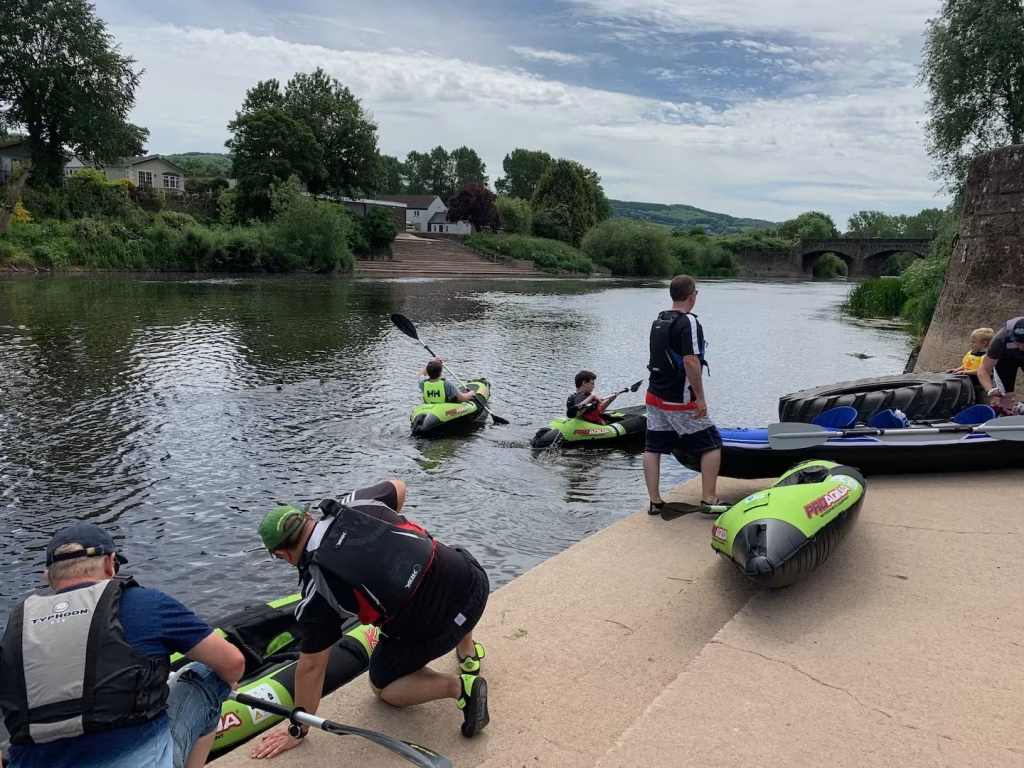
We set off downstream and soon passed under arches of the Wye Bridge in Monmouth.
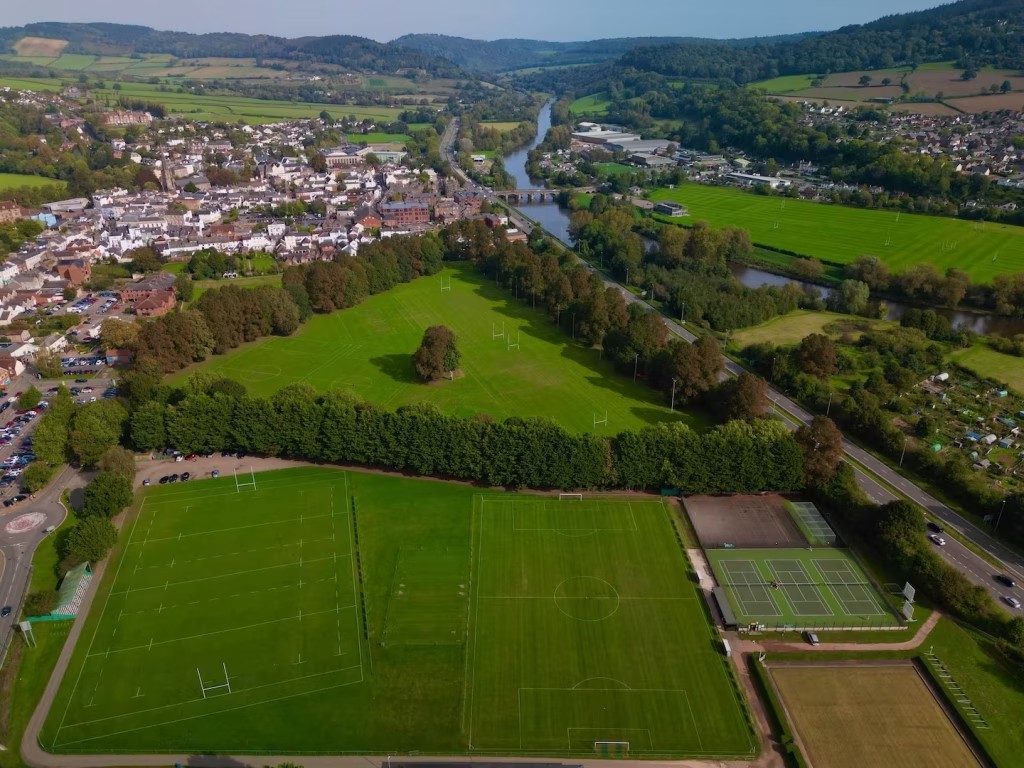
Monmouth is a charming, historic town at the confluence of the Monnow and Wye rivers.
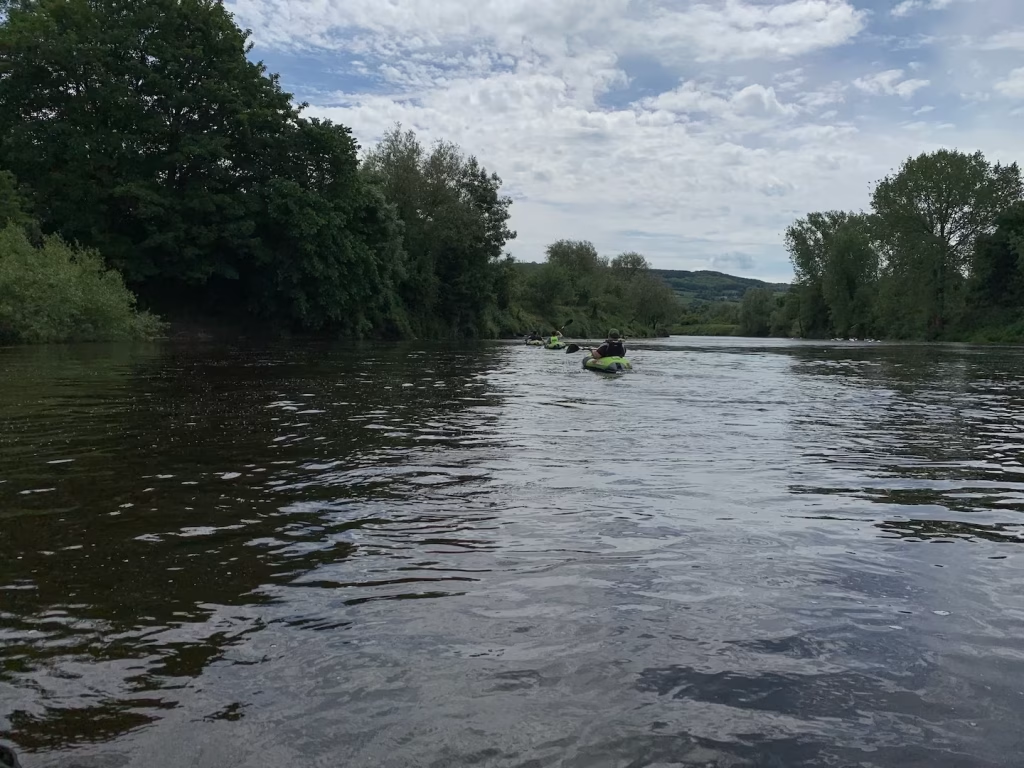
As is usually the case with the Wye river, the water alternated between quite fast flowing sections and lazy, almost still sections, depending on the depth of the water and the flow of water.
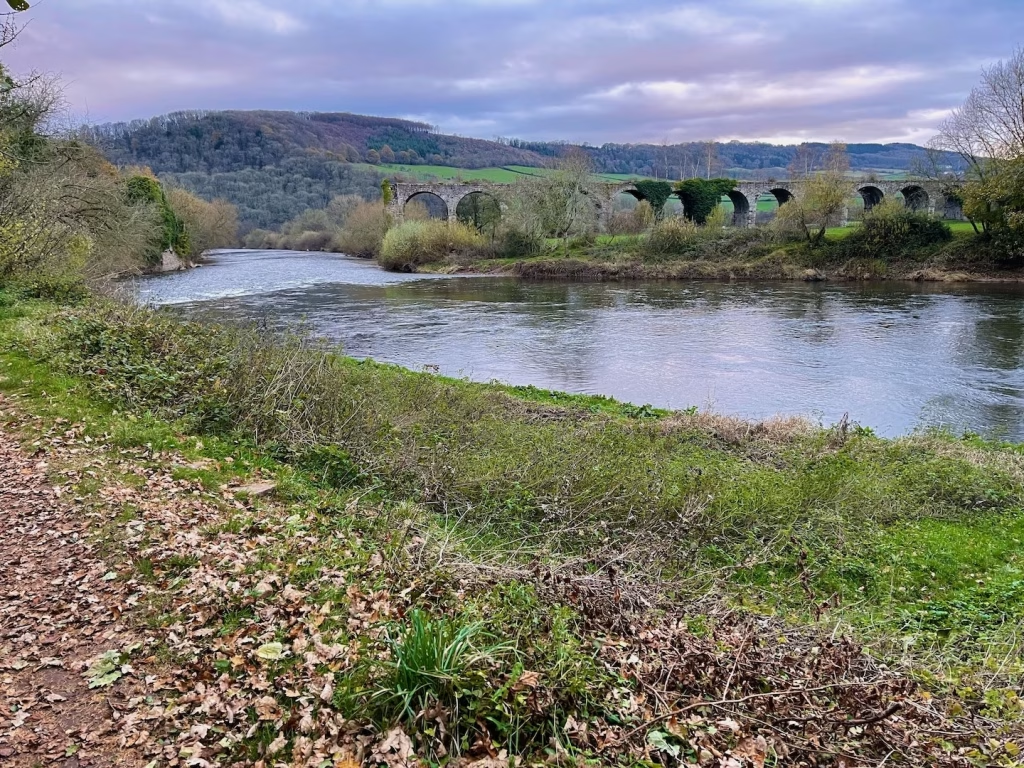
Just downstream from this, we passed the Monmouth Viaduct, a 20-arch 183m red sandstone viaduct with two 23m steel lattice-girder spans over the river. It also carried a now disused railway line across the Wye river.
A major bonus or river kayaking is that for much of the time the downstream flow of water usually takes you downstream at between 1mph to 3 mph (sometime a lot more!) even if you are not paddling.
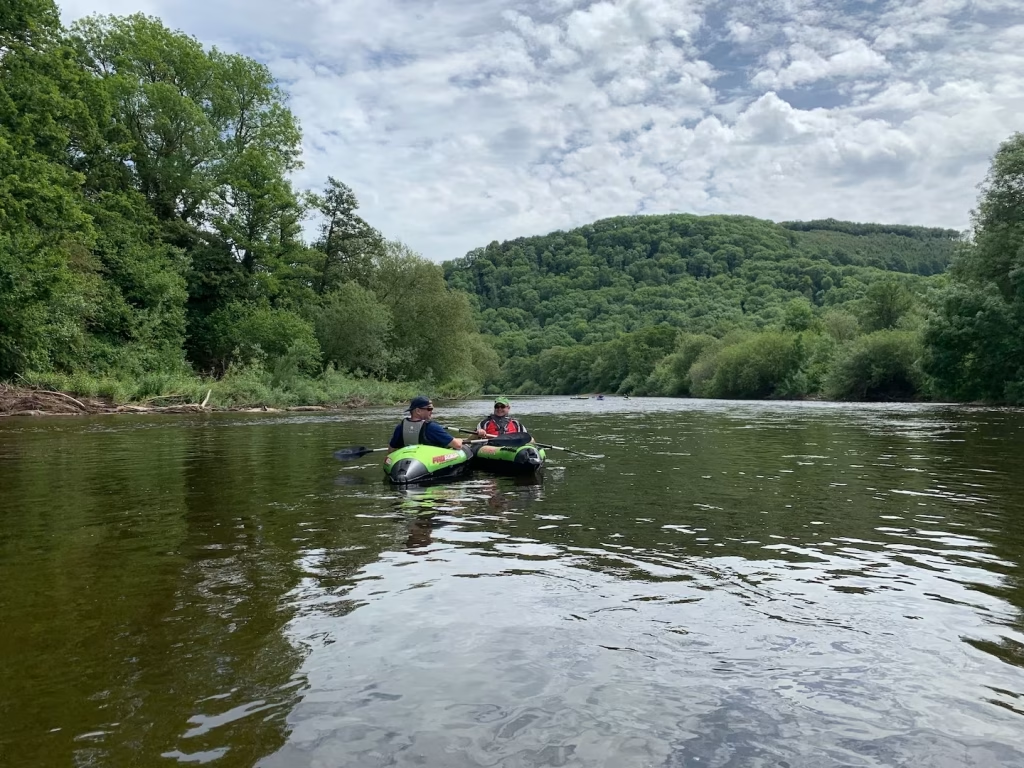
The river was quite low, not surprising given that it was June and it had been relatively dry recently.
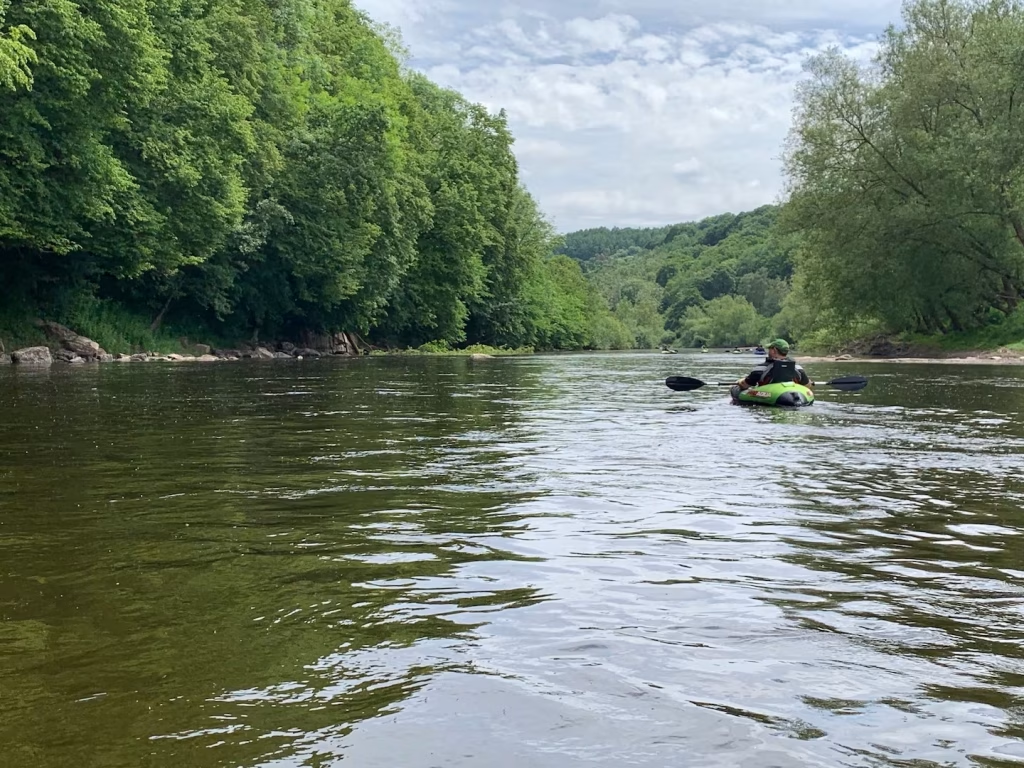
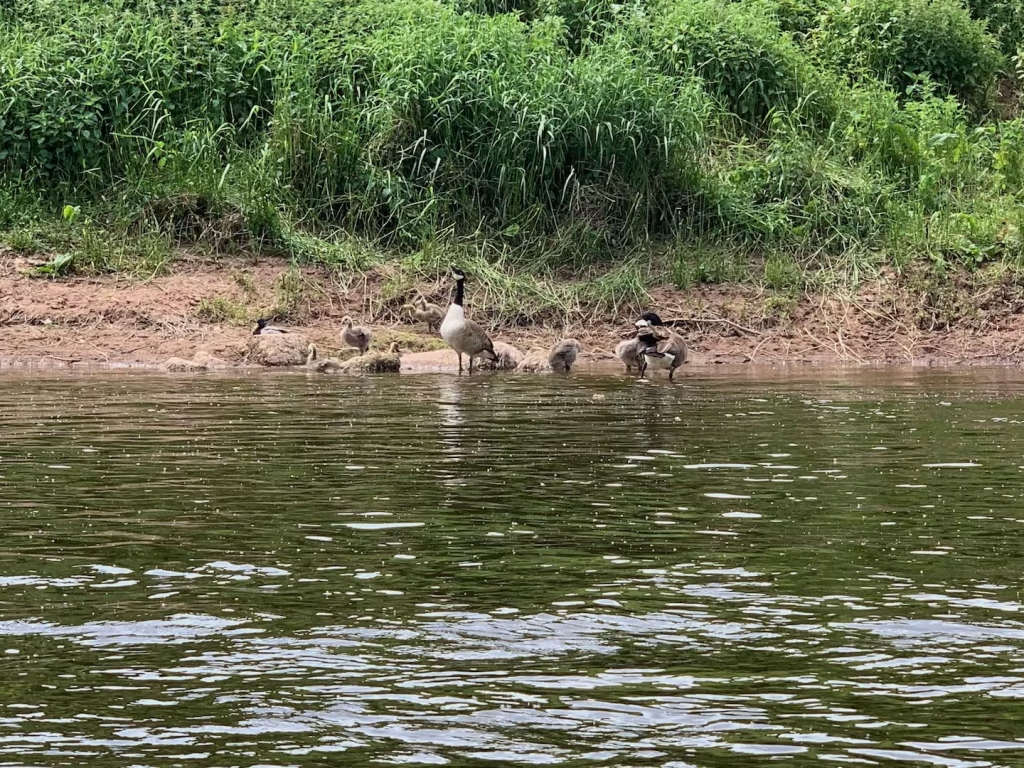
Ducks, swans and geese seemed to mill about in almost every little bay of the riverbank that we paddled through. It is no wonder that the Wye is one of the top kayaking rivers in the world.
We neared the Boat Inn at Penallt which is about 2.5 miles downstream from Monmouth.
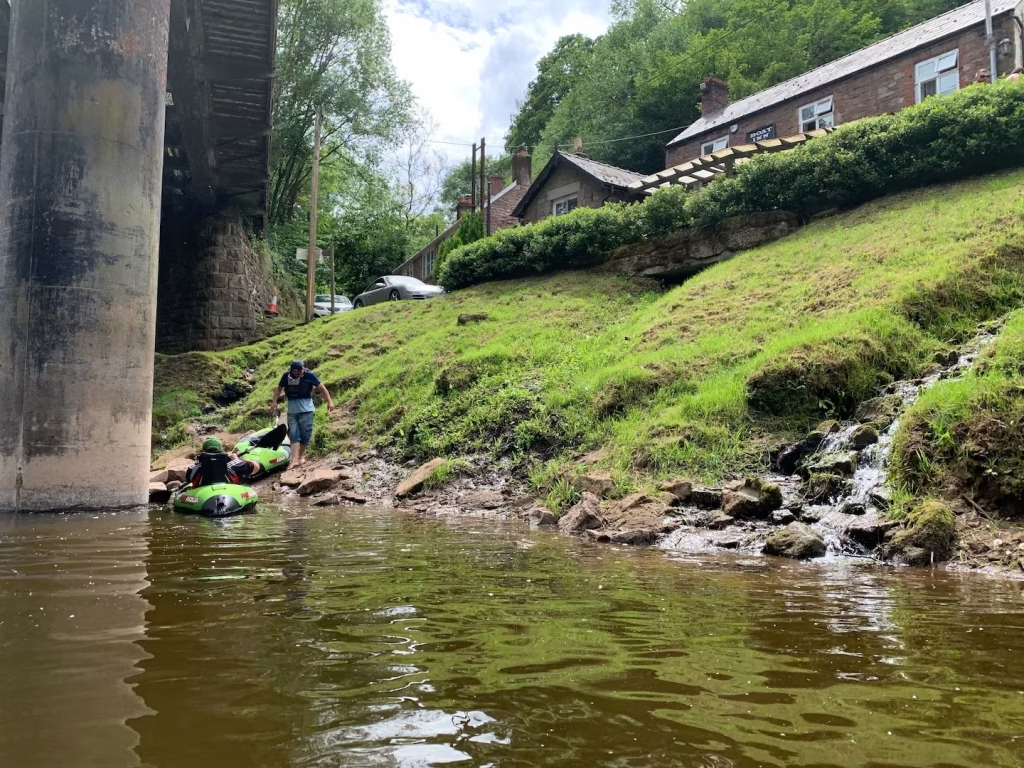
The Boat Inn does a decent range of beers and ciders. The main beer garden is up to steps to the rear of the pub. There is also a beer garden out the front right overlooking the river.
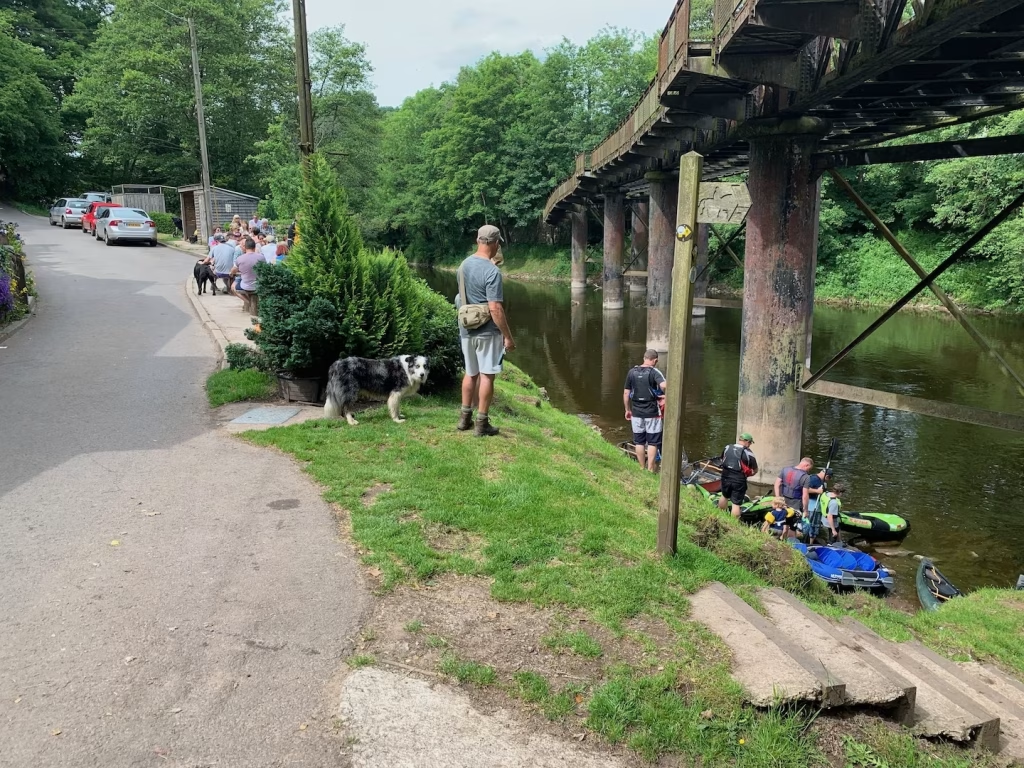
Immediately downstream from the Boat Inn, we passed the quaint village of Redbrook on the East bank. There is also a nice pub at Redbrook which is called the Bell Inn.
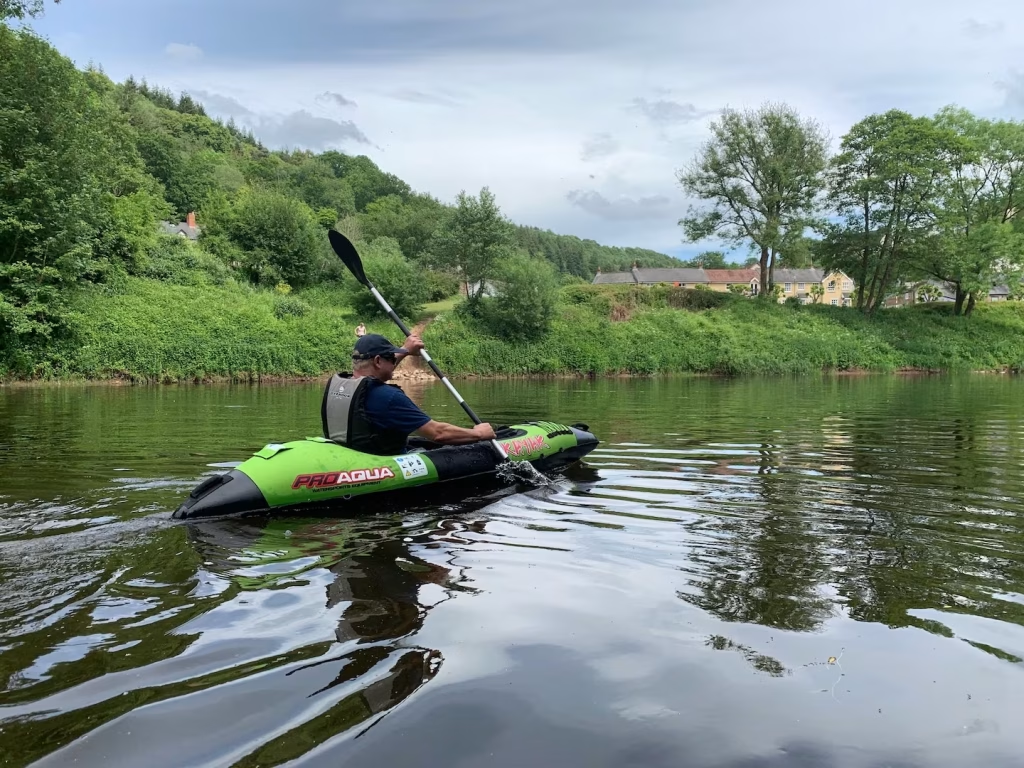
Just downstream from Redbrook, the river became noticeably racier for a while and we had to keep an eye out for rocks underneath the surface at times.
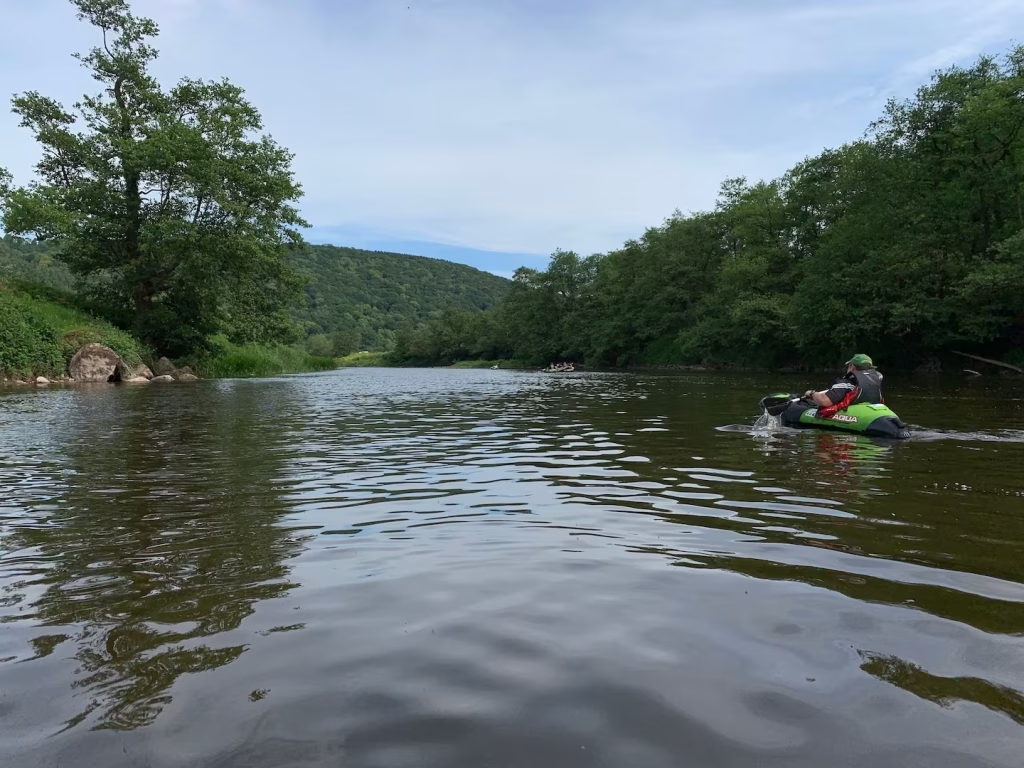
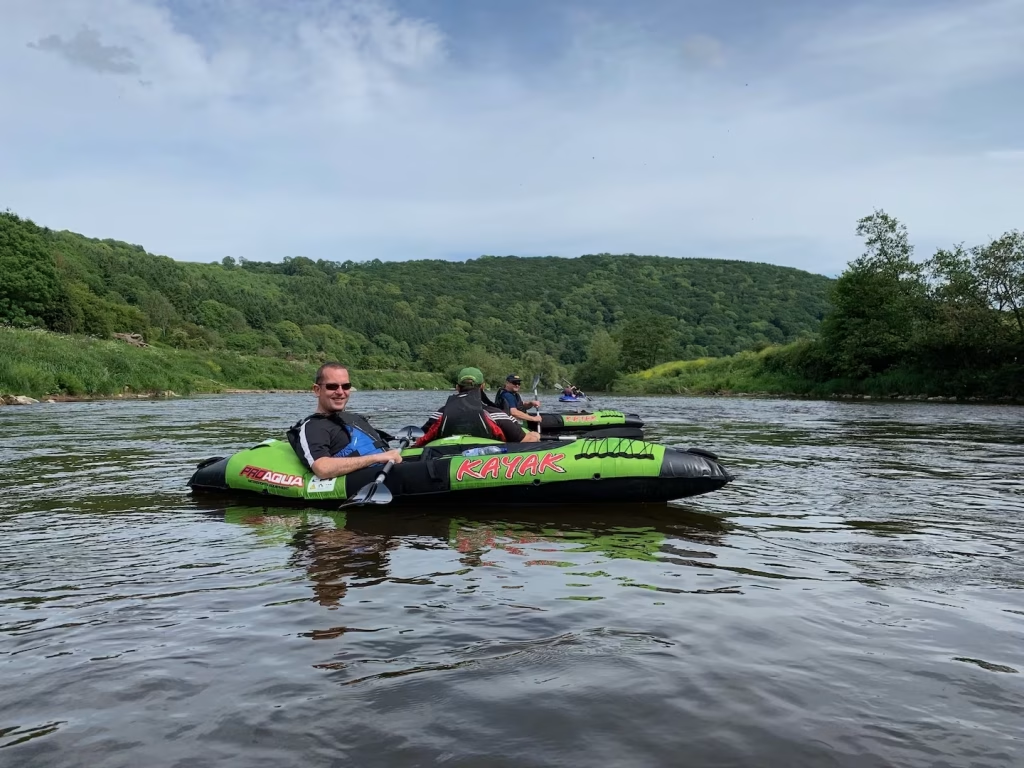
When kayaking the Wye you have to plan your trips to make sure that you can access the river at your proposed landing and launch points.
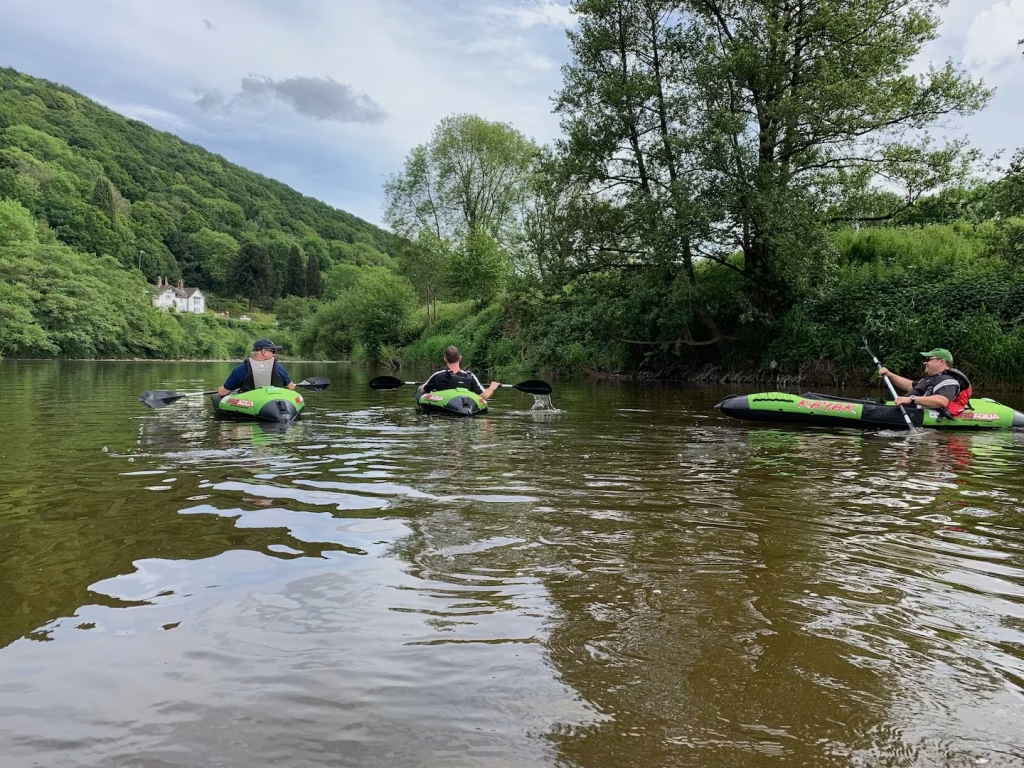
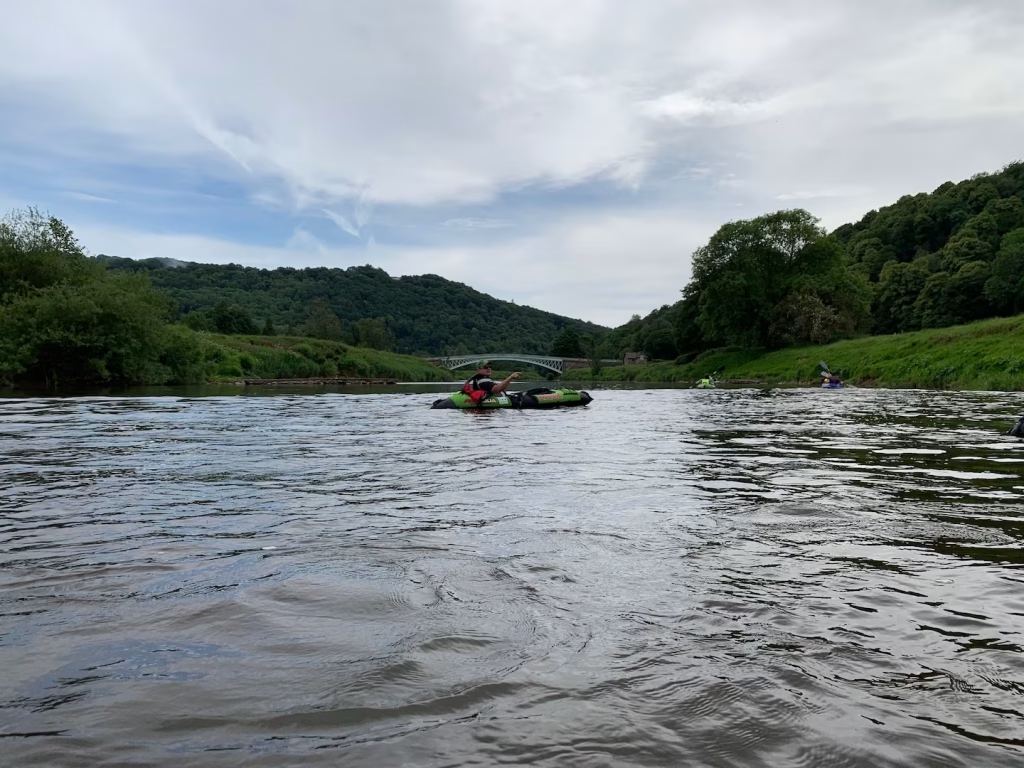
As we came round the final bend in the river, Bigsweir bridge came into view.
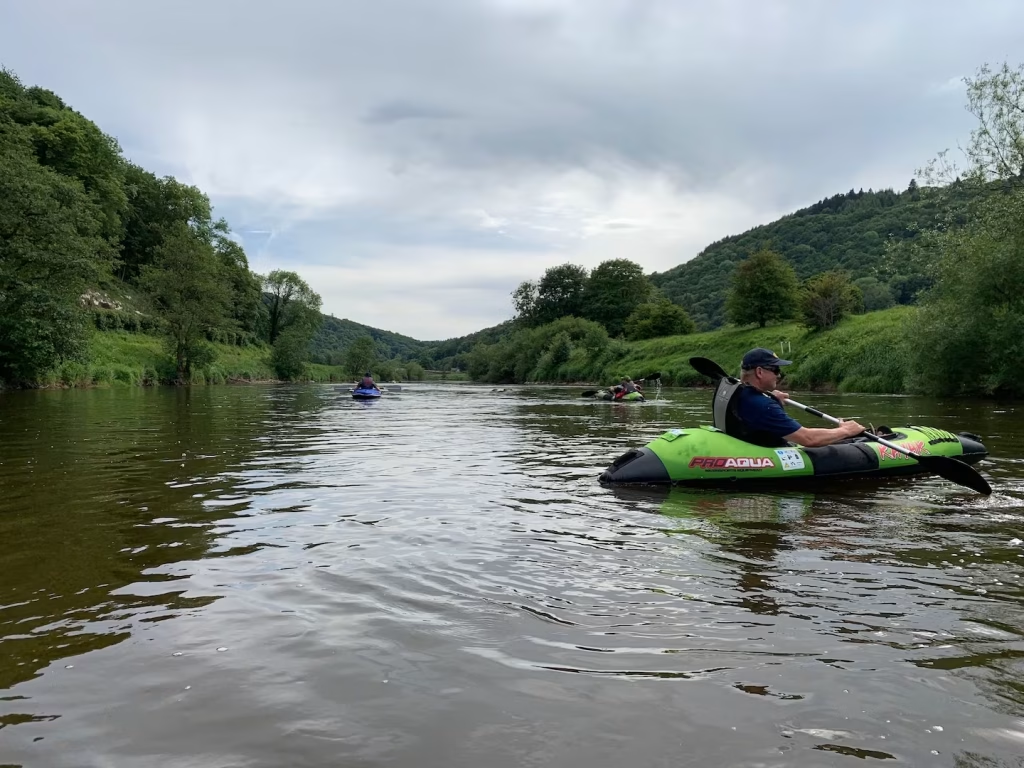
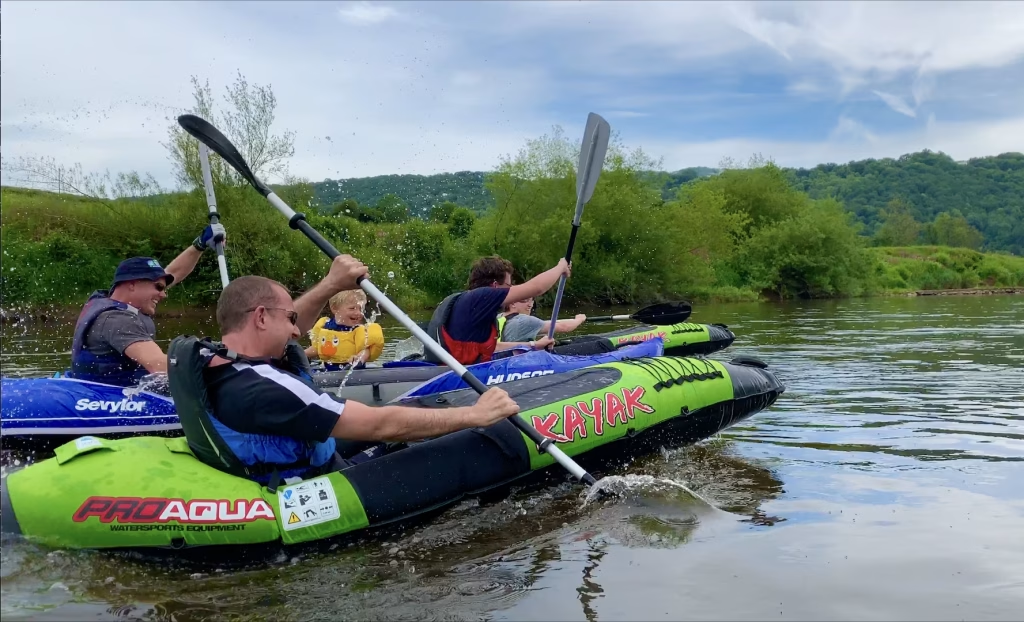
The prospect of the end of the kayak prompted a spontaneous and hastily organised race between the other members of the Kayak Crew. It was a very run close thing and had to be settled by a photo finish.
We spotted a large concrete plinth just upstream from Bigsweir Bridge, a very convenient spot to land.
After clambering onto the bank, we carried the kayaks over a meadow alongside the river down towards the bridge which was about 200 meters downstream.
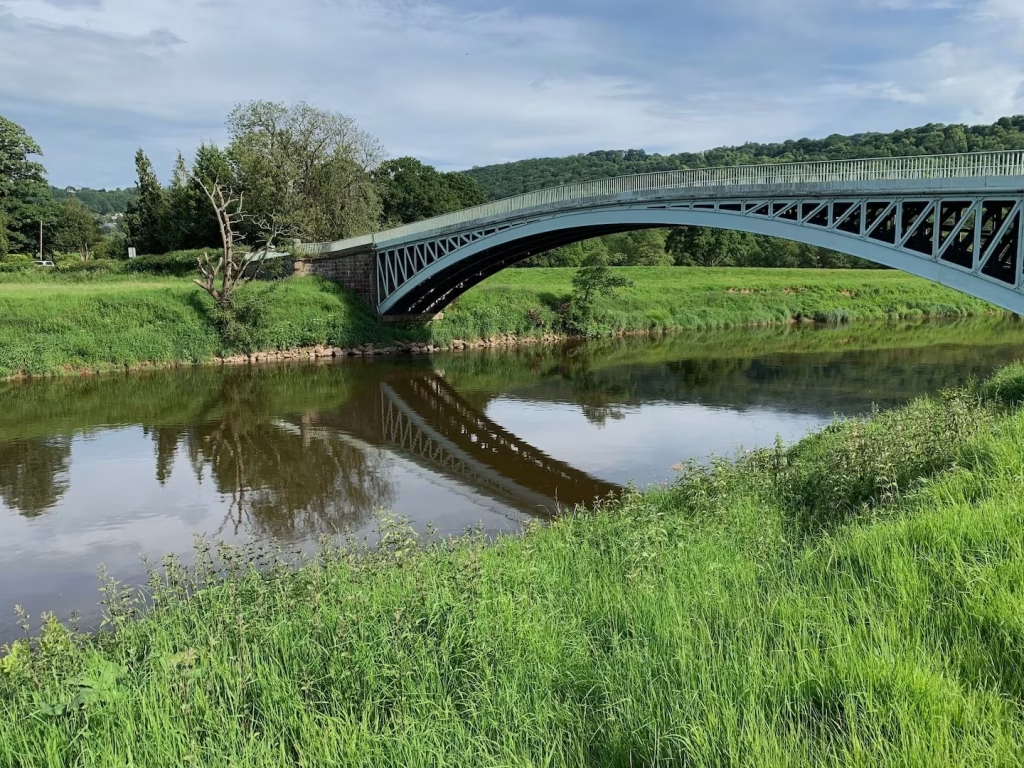
Bigsweir Bridge was built in 1827 as part of the new turnpike road constructed up the lower part of the Wye valley between Monmouth and Chepstow. The bridge connects the English and Welsh sides of the river, with an abandoned but recently restored toll house on the West side.
4. LOGISTICS
At Monmouth Rowing Club, there is a free car park next to the riverside.
At Bigsweir, there is limited parking at a lay-by about 100 meters away from the West side of the bridge.
If you only had one vehicle then the Number 69 bus run by Newport Bus runs hourly from Chepstow to Monmouth (and vice versa), stopping near Bigsweir Bridge and other riverside locations in between Chepstow and Monmouth.
The other option if you are hiking or have inflatable kayak is to use a taxi to pick you up from Bigweir and take you to Monmouth so you can kayak back downstream. There are several taxi firms in Monmouth you could look up.
5. DANGERS/ISSUES
The section of the Wye between Monmouth and Bigsweir is the final non tidal section of the river so you don’t need to factor in tide times when paddling it.
The Wye does become tidal below Bigsweir so if you are going to continue downstream towards Brockweir and Tintern then you do then need to consider the tide times.
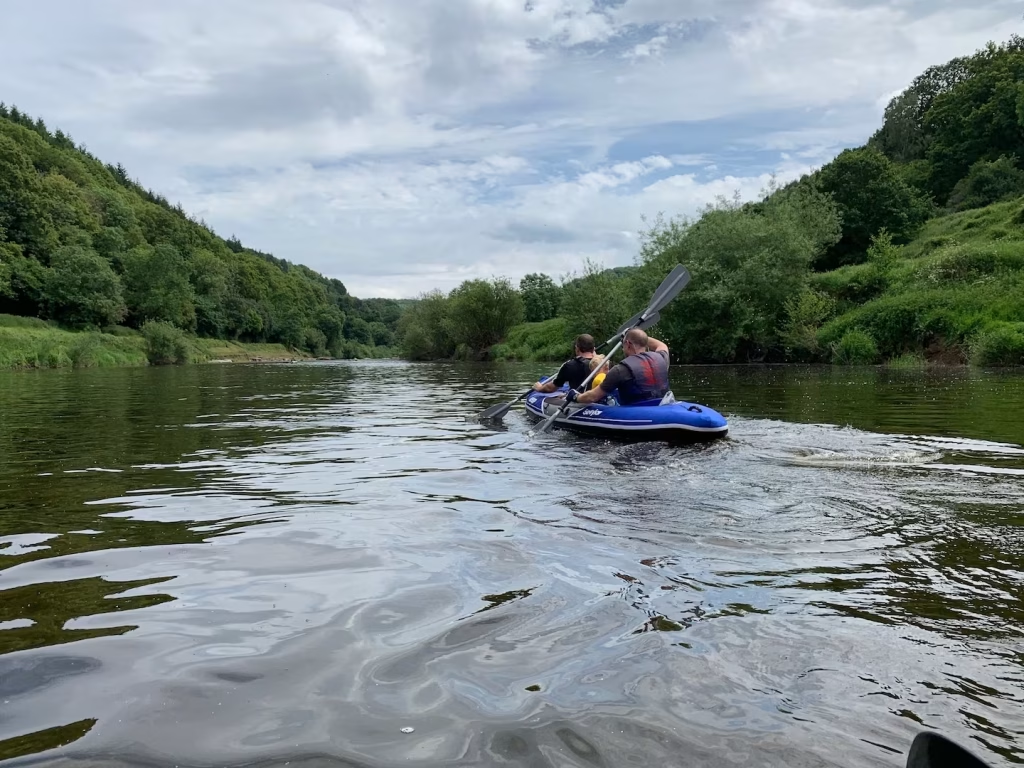
There are no rapids on the section between Monmouth and Bigsweir but there are a few sections where the river become a bit racier and faster flowing.
As always, check the water levels before you go using the River Levels Uk website to make sure the water levels and flow of water are not excessive (or too low for that matter).
6. KAYAKS USED
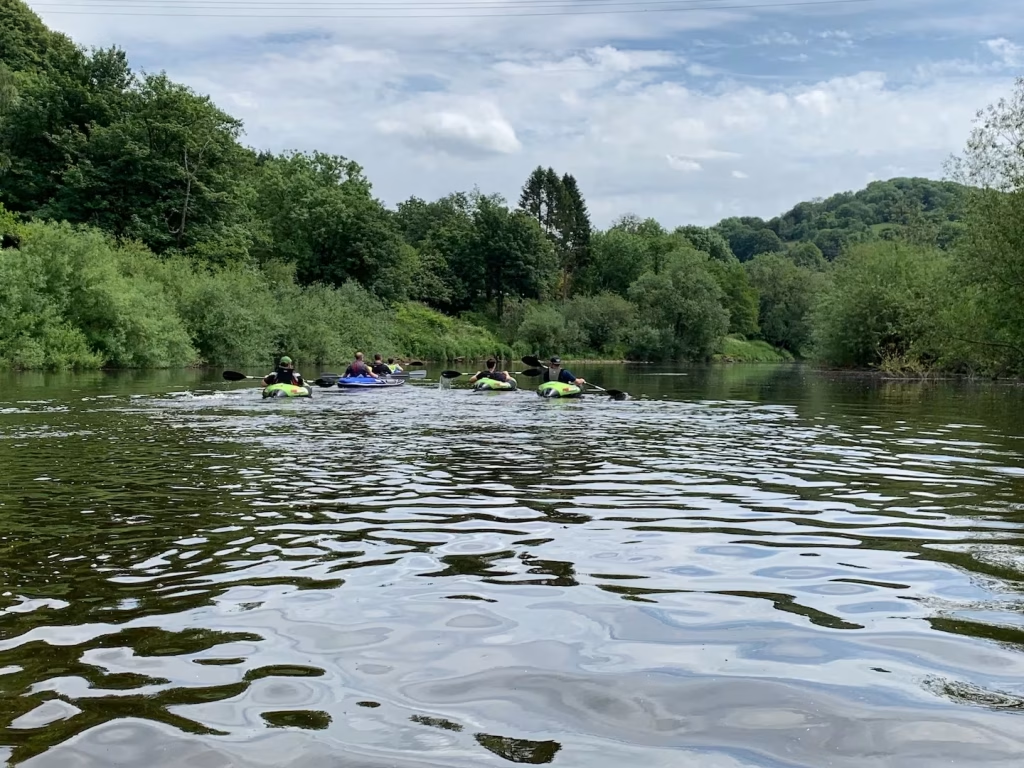
We all had inflatable kayaks. We find them to be very versatile and portable and ideal for trips such as river journeys on the Wye.
The green kayaks are “Pro Aqua” kayaks, a now discontinued model previously sold by Clas Ohlson.
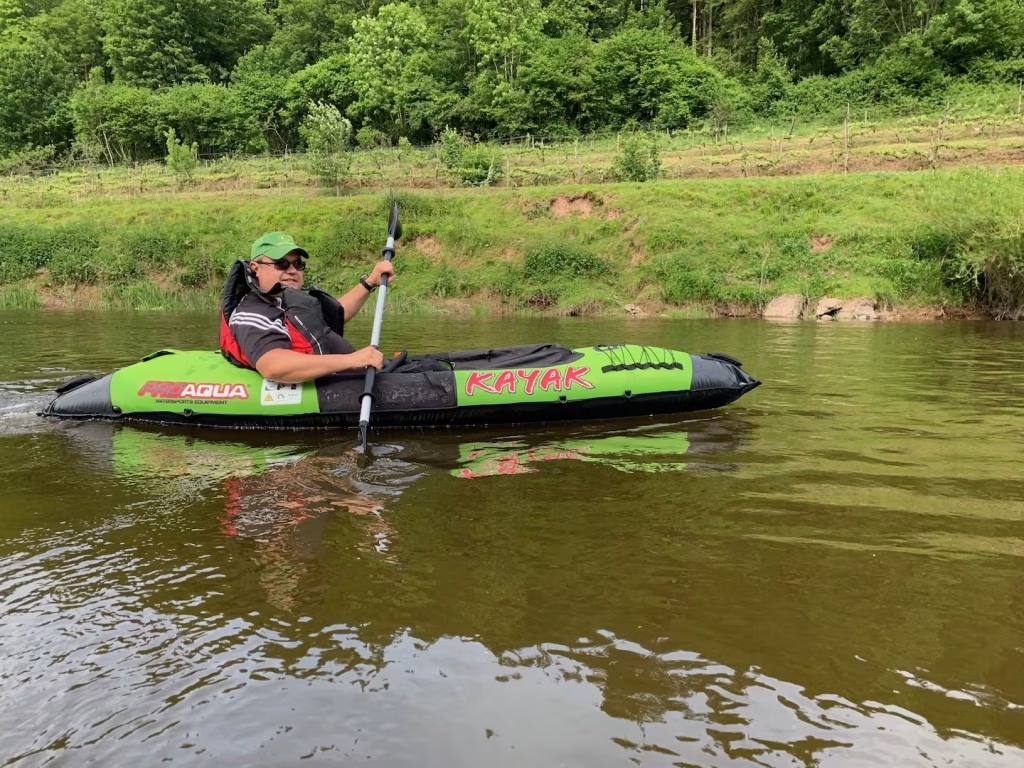
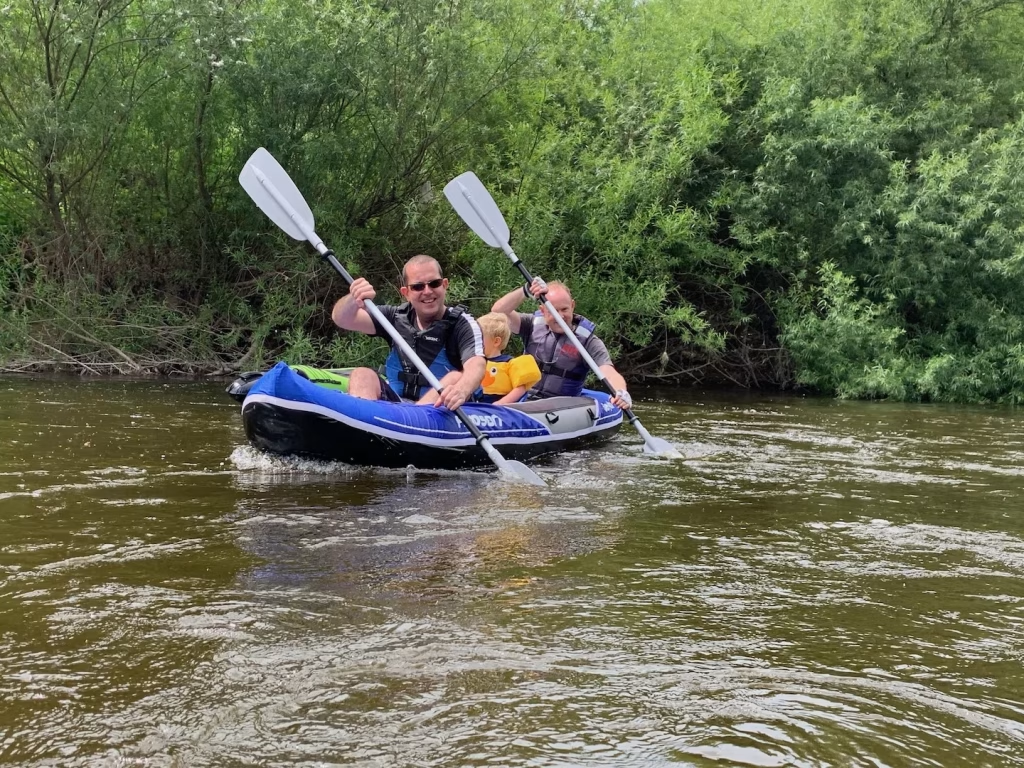
Fran had brought his Sevylor Hudson 2 person inflatable which was big enough to also accommodate his son as a third passenger.
7. summary
This was a great section of the Wye to kayak. It has a good launch point at the Monmouth end, since the Monmouth Rowing Club has a decent size car park.
The landing point at Bigsweir Bridge was also quite easy, although if you have hard shell kayaks then you may have to carry them a couple of hundred meters from the concrete landing stage down to the road at Bigsweir Bridge.
The Boat Inn at Penallt is the icing on the cake, a great stop off almost halfway down the route.
The video of my trip on my Youtube Channel is below.