
CONTENTS
- Introduction
- Vinyl Kayaks
- Fabric Covered kayaks
- PVC Kayaks
- Drop Stitch Construction
- Canoe Shape Drop Stitch Kayaks
- Clamshell Drop Stitch Kayaks
- SUP-Kayak Hybrids
- What sort of kayaking will you be doing?
- What is your budget?
- Portability
- Solo vs Tandem vs Solo/Tandem
- Summary
1. INTRODUCTION
Inflatable kayaks have become increasingly popular in recent years and they have come on massively.
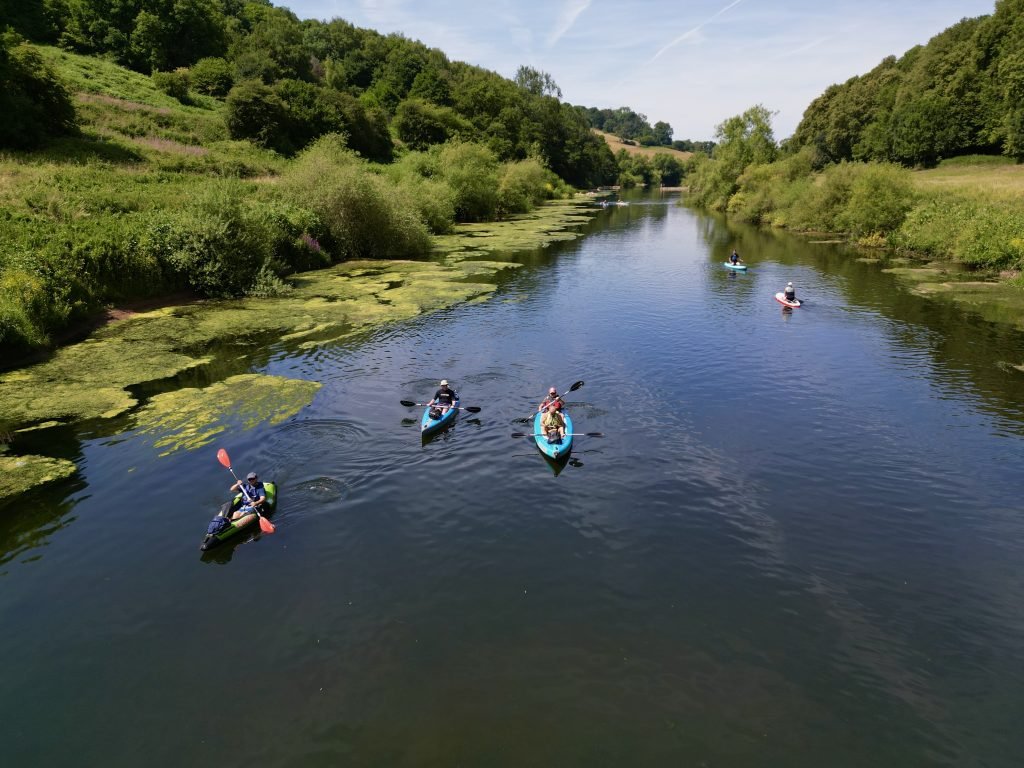
We have almost entirely used inflatable kayaks since we started kayaking back in mid 2016 and have gained much experience of using them on the sea, estuaries, lakes, rivers and canals in all sorts of conditions.
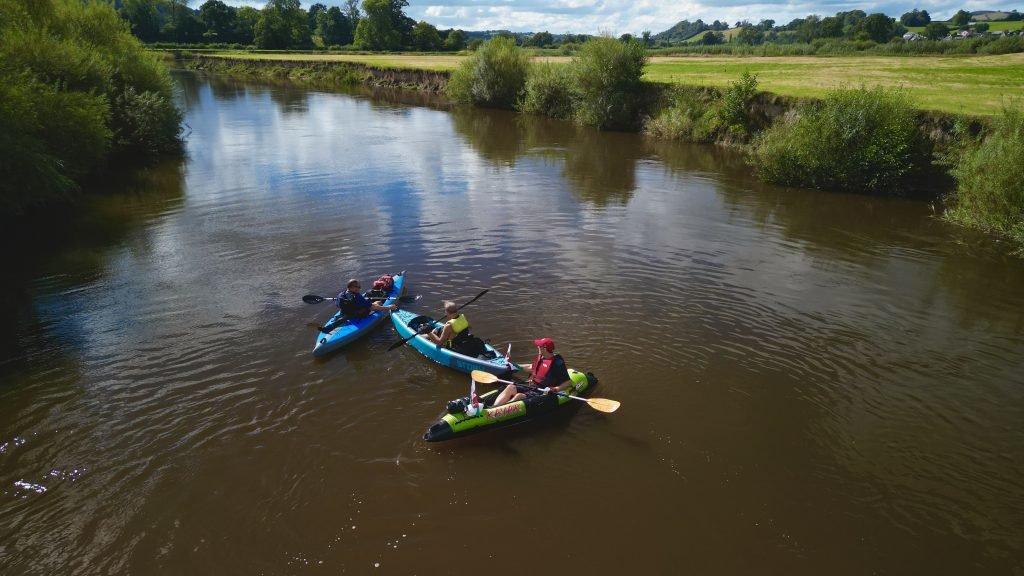
We start by listing the different categories that we would place inflatable kayaks into and then look at the main factors to determine what type of kayak may be best for you.
2. vinyl KAYAKS
We start with the cheapest type of inflatable which are made from a single layer of material which is normally vinyl.

Vinyl kayaks often come as part of a cheap package which are good value for money as long as you appreciate that you generally get what you pay for and both the kayak and the accessories will usually be of low quality.

Although we did use our Intex K2 Explorer kayak on a few coastal and river trips, we found it prone to being punctured due to the fairly thin vinyl bladders.
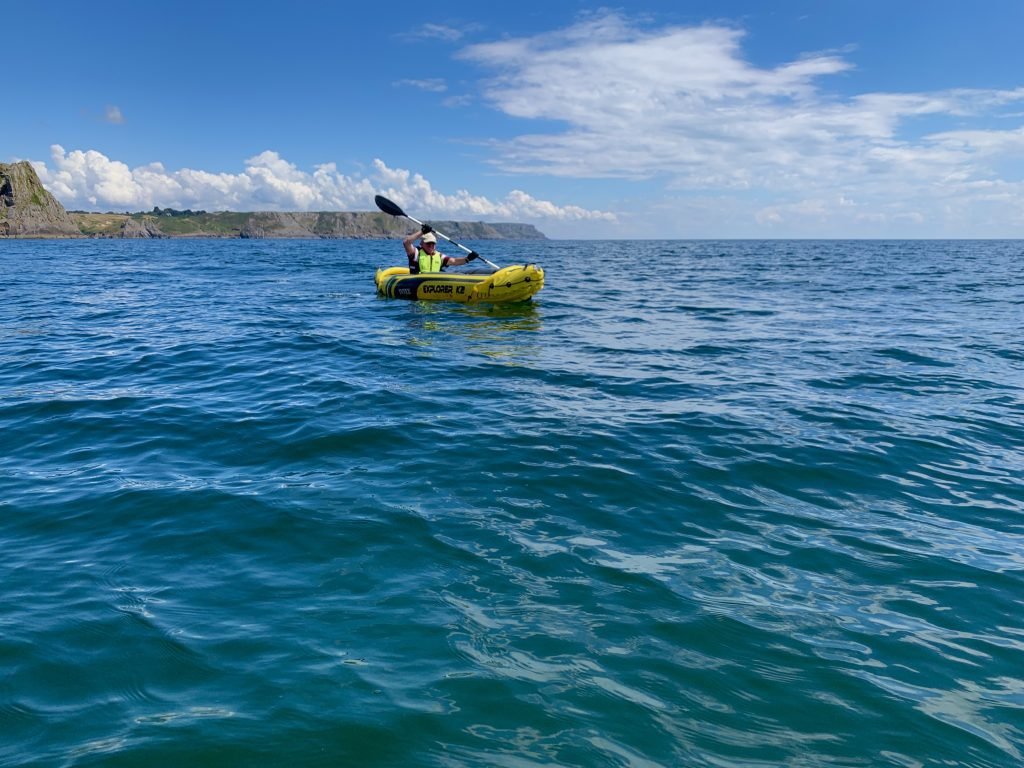
While vinyl kayaks are usually quite stable due to their width, they are the slowest and least durable of the types of kayak we have tried.
They are most suited to calm, sheltered stretches of water which are not going to subject to strong current, tides, winds or sea swell.
3. FABRIC COVERED KAYAKS
Fabric covered kayaks have bladders (tubes) encased within a second outer protective fabric layer which is usually made from polyester or some similar fabric.
The outer protective layer helps to protect the bladders from punctures and UV sunlight.
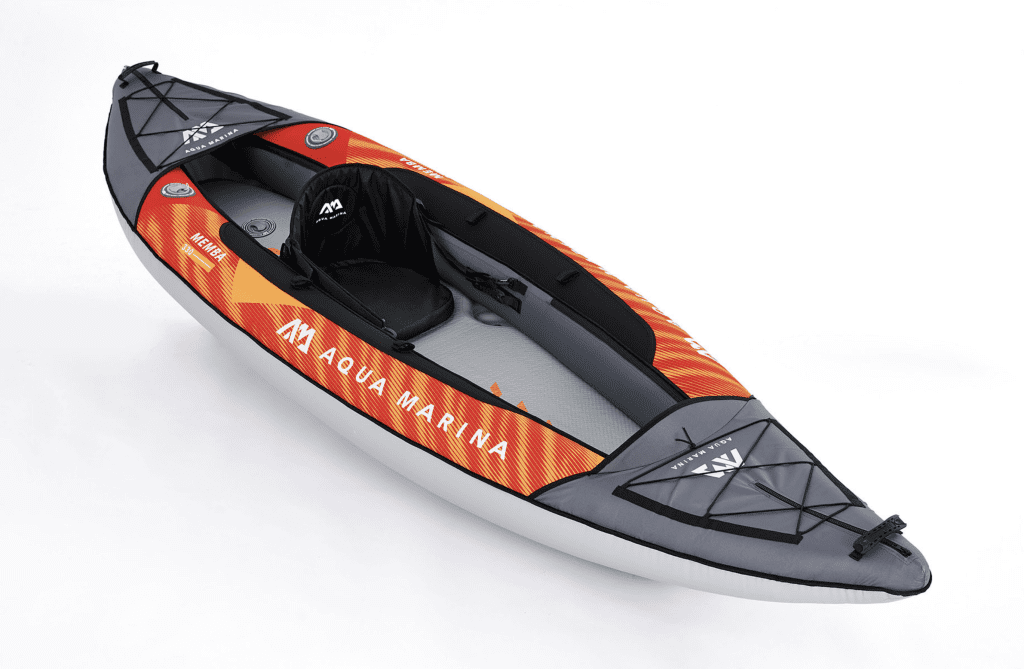
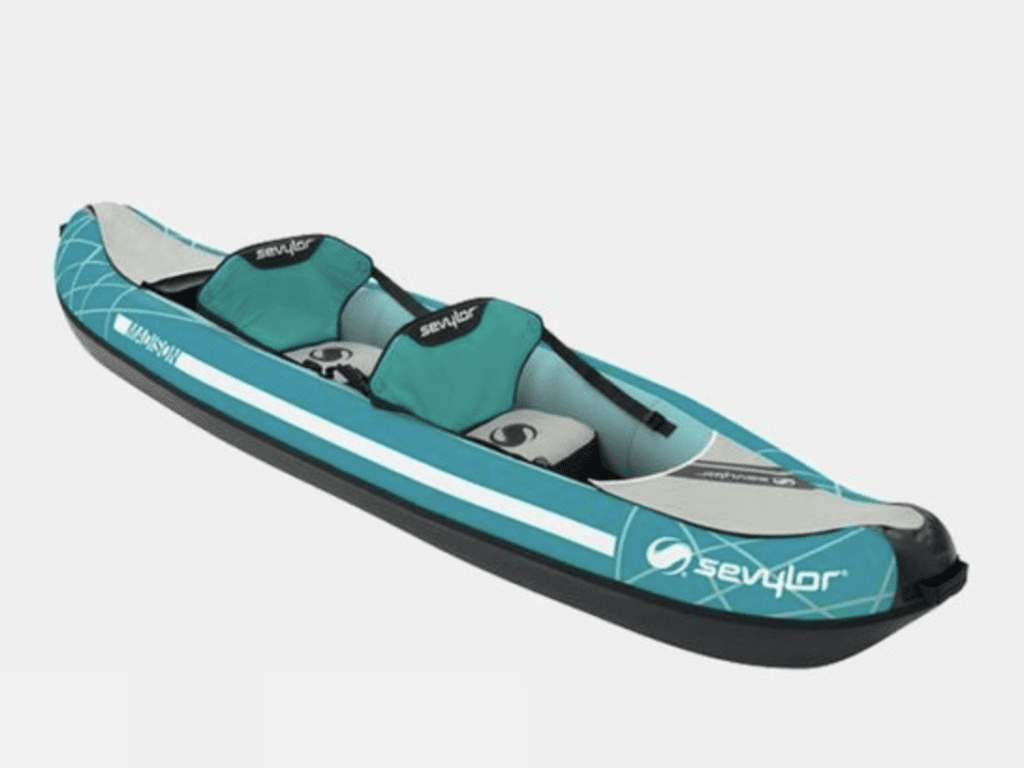
Examples of this type of fabric covered kayak are the Aqua Marina Memba, Itiwit 100 and the Sevylor Madison.
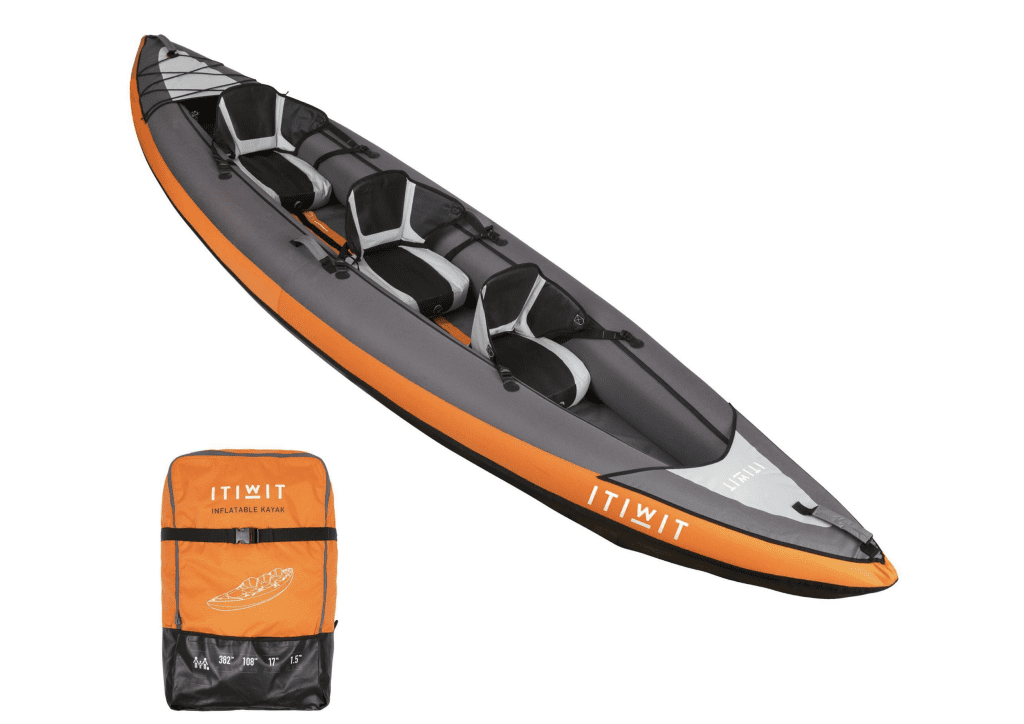
While the outer protective layer means that these kayaks are much more durable than vinyl kayaks, the big downside to them is that they are much harder to dry out because the outer fabric layer will soak up water and also that they actually become a bit heavier when wet.
The Kayak Crew for many years predominantly used a fabric covered kayak called the Pro Aqua kayak which used to be sold by Clas Ohlson but has been discontinued for years.
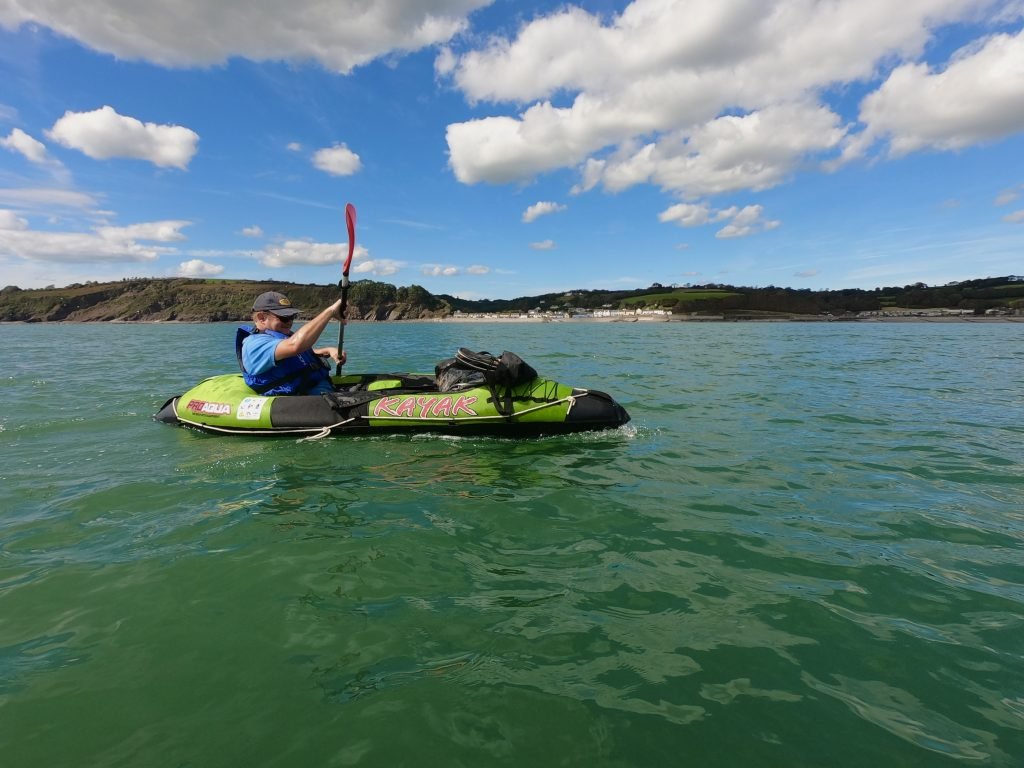
Indeed, some of the guys still use them (mostly because they are too tight to upgrade to a better kayak).
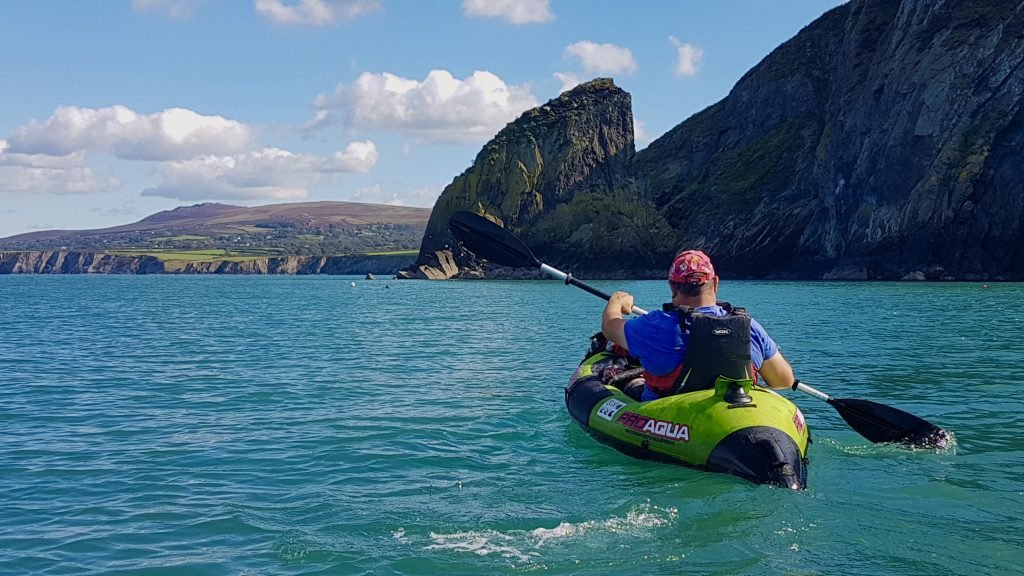
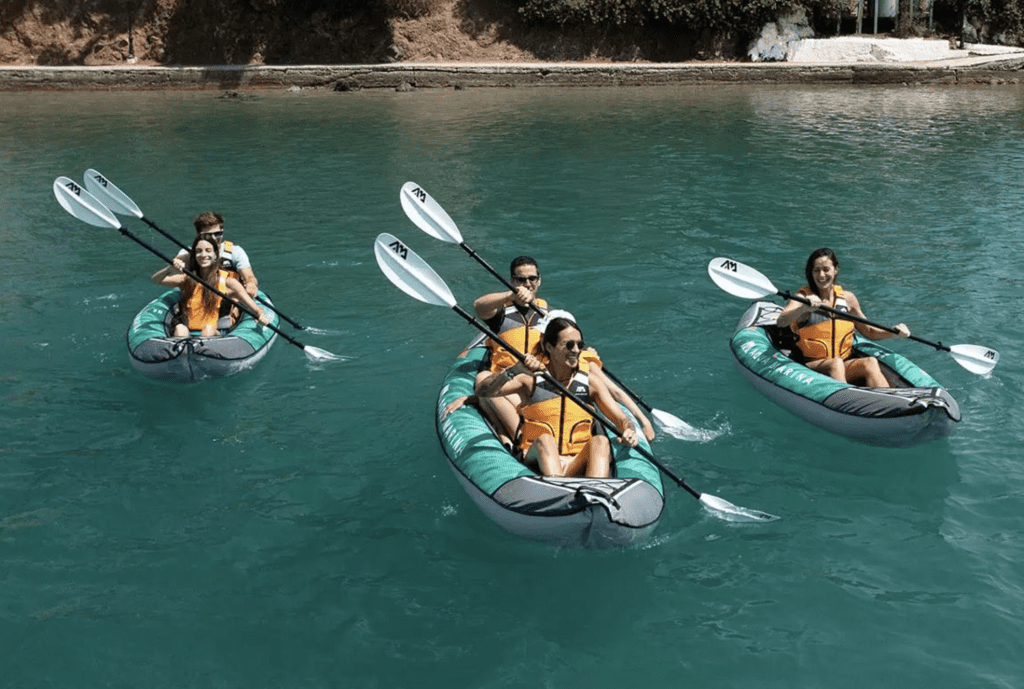
Fabric covered kayaks will perform similarly to vinyl kayaks, but will usually have better accessories and be more a bit more stable and less prone to wind on the water being slightly heavier. They will also be much more durable.
4. PVC KAYAKS
These are made from thicker single skin outer layers which are usually made from PVC although in fact other rubbers such as Nitrilon or TPU (Thermoplastic polyurethane) are used on a few models.
These are generally more durable than fabric covered kayaks and certainly much more durable than vinyl kayaks, but obviously at a higher price.
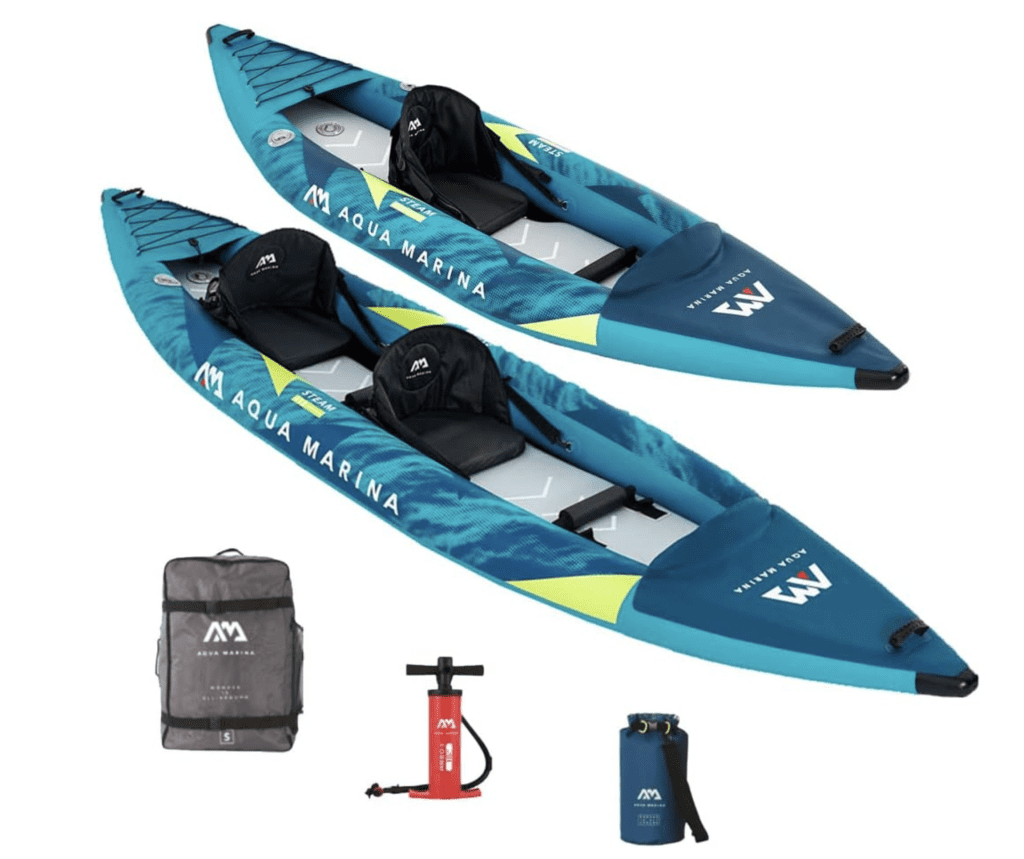
Examples of PVC kayaks are the Aqua Marina Steam, the Sea Eagle Explorer range and the Itiwit X100 kayaks.

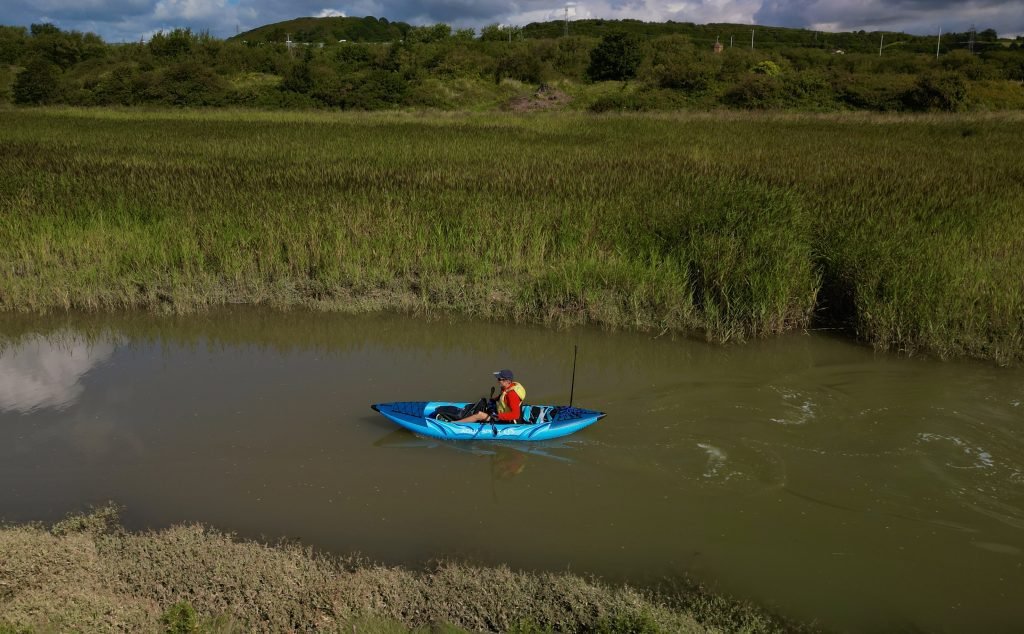
Many of these kayaks now have high pressure drop stitch floors (more on drop stitch technology later) which provide a firm, dry base to the cockpit.
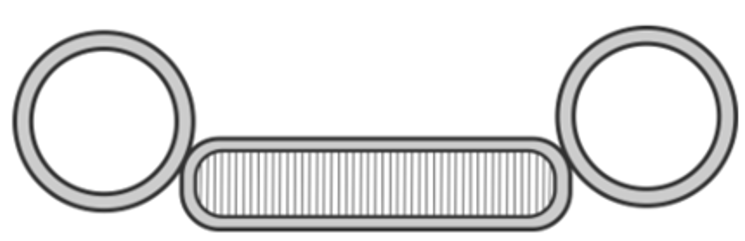
We are a great fan of drop stitch floors and find them much better than traditional low pressure floor chambers because they are not only firmer to sit on but they help to give the hull of the kayak more rigidity.
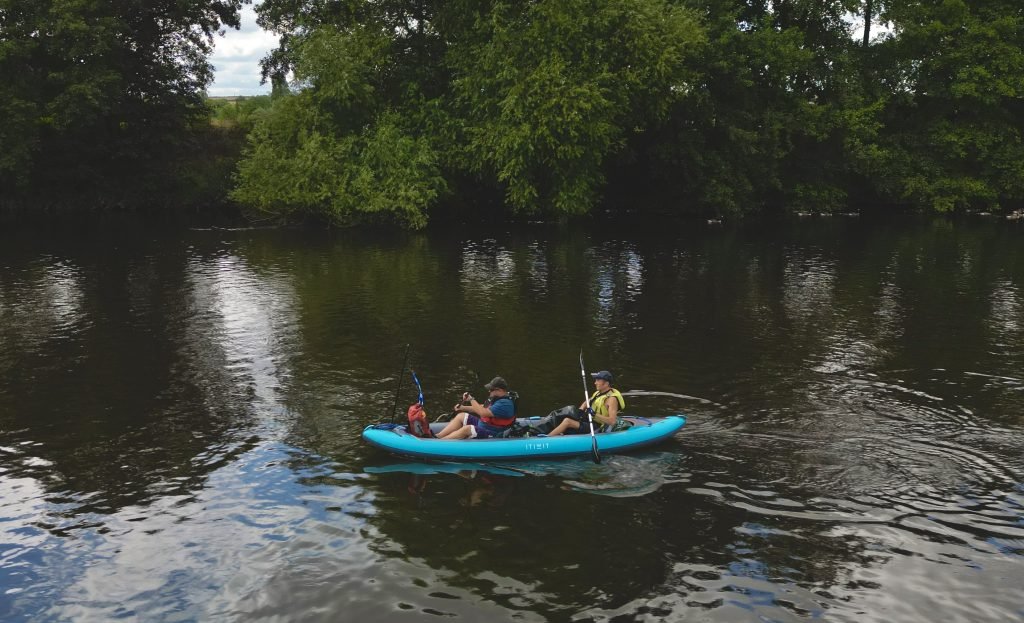
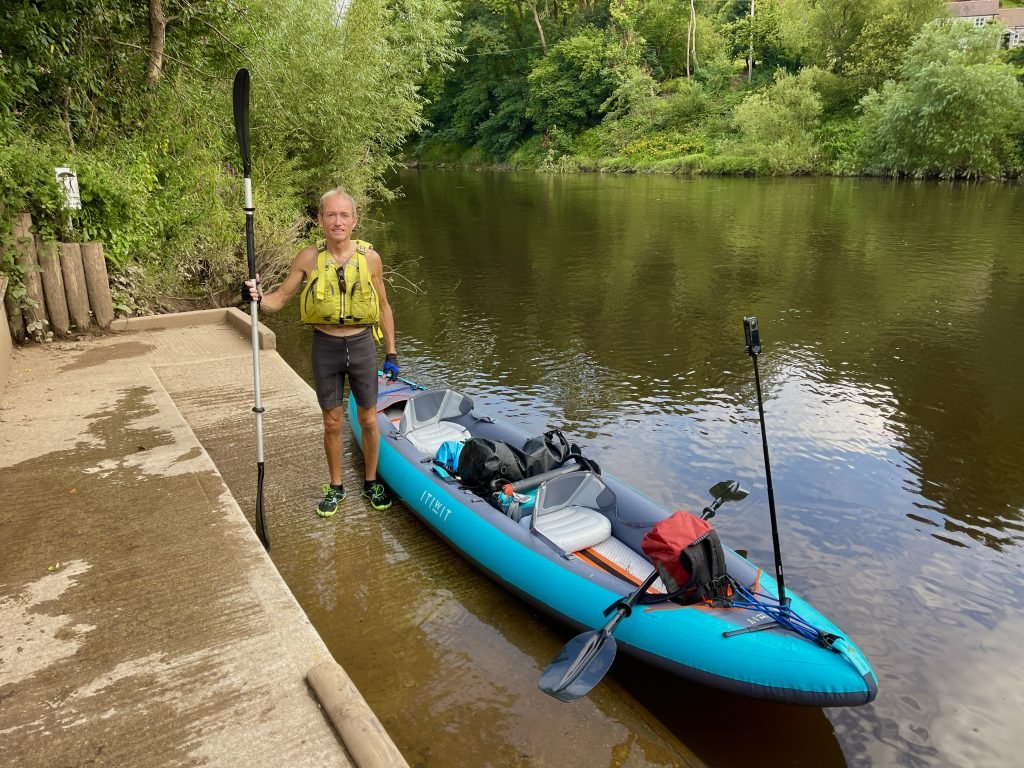
PVC kayaks are much easier to dry than fabric covered kayaks because they only have a single skin side tubes.
A slight variation of PVC kayaks is the relatively recent introduction of ones hard plastic bow and stern cones. Examples are the Blue Wave Cruiser and the Story Ranger kayaks.

These kayaks with the streamlined bow cones will be marginally faster and track better than flat hulled kayaks since they will cut through the water better.
However, they may be marginally less stable since their V-shaped hull will make them rock slightly more than flat hulled kayaks.

We feel that these PVC kayaks can be used for almost any type of paddling, since they are stable and quite robust.
5. DROP stitch CONSTRUCTION
Drop stitch technology involves interweaving in the upper and lower shell of the walls of the chambers with thousands of threads of fibre fabric. The extra strength provided by this interweaving allows the chambers to be inflated to a much higher air pressure.
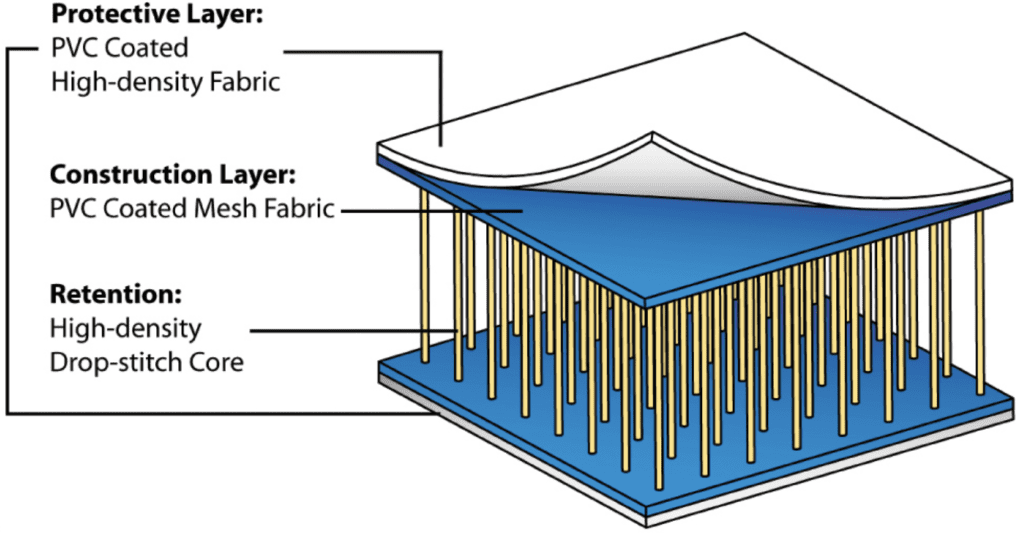
As a result, the chambers become almost rigid and firm when they are inflated to much higher pressures than traditionally made kayak can be inflated to.
6. CANOE SHAPE DROP stitch kayaks
Most full drop stitch kayaks at the time of writing this blog post (August 2023) are canoe shape and made of 3 panels which comprise the floor and the 2 side walls of the kayak.
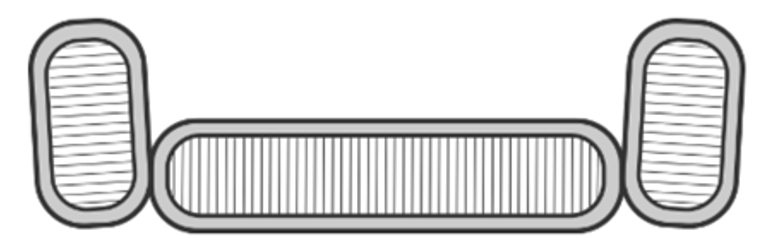
There are numerous brands of these canoe shape kayaks, including the Sea Eagle Razorlite, Story Division 1, Shipwreck Arrowstream and the Blue Wave Glider.
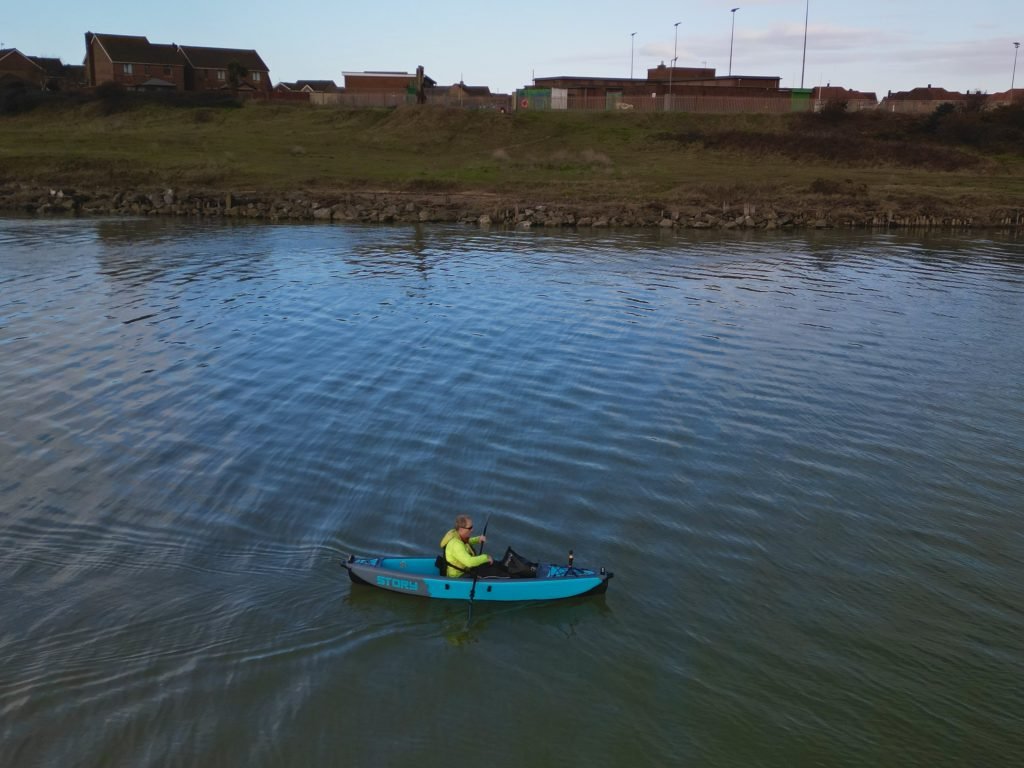
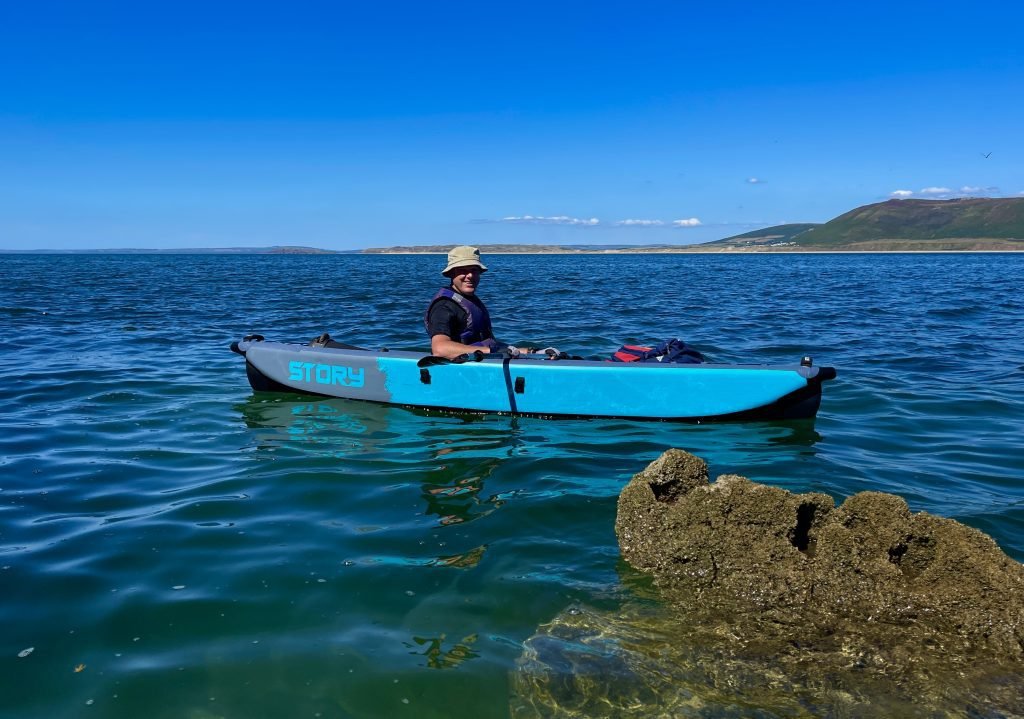
These canoe shape drop stitch kayaks all seem to be made to a generic design with a sloped, V-shaped hull and hard plastic bow and stern cones which help the kayak cut through the water.
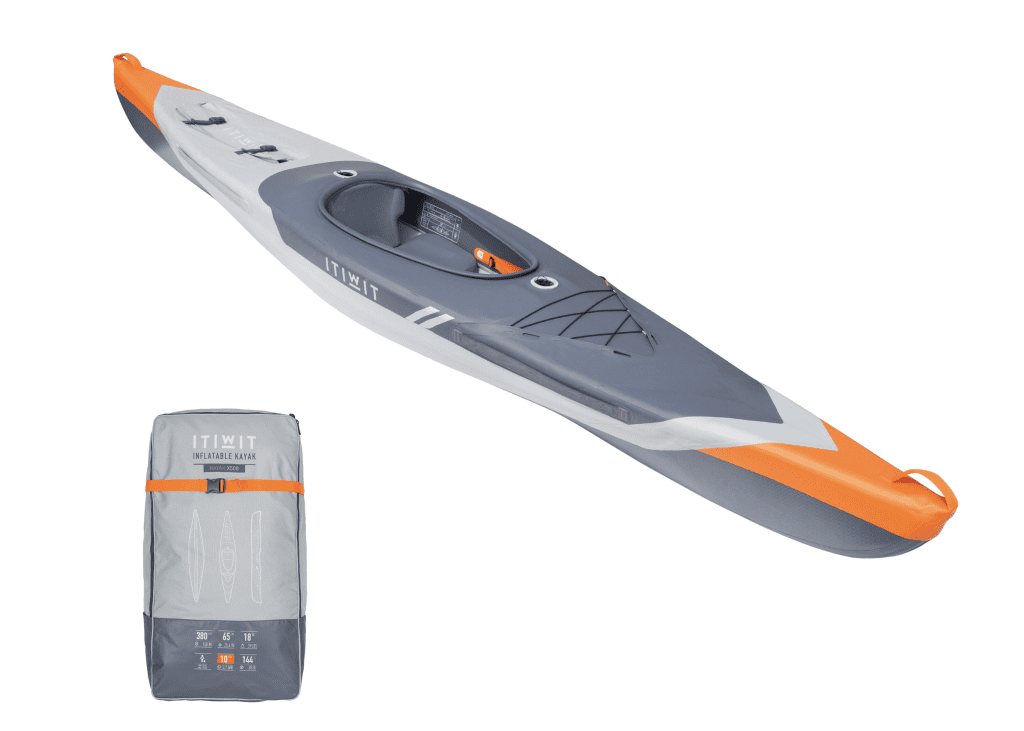
One variation which is worth mentioning is the Itiwit X500 kayak which has a different hull design and is perhaps the model of inflatable kayak which is the most similar to a hard shell sit-in kayak.
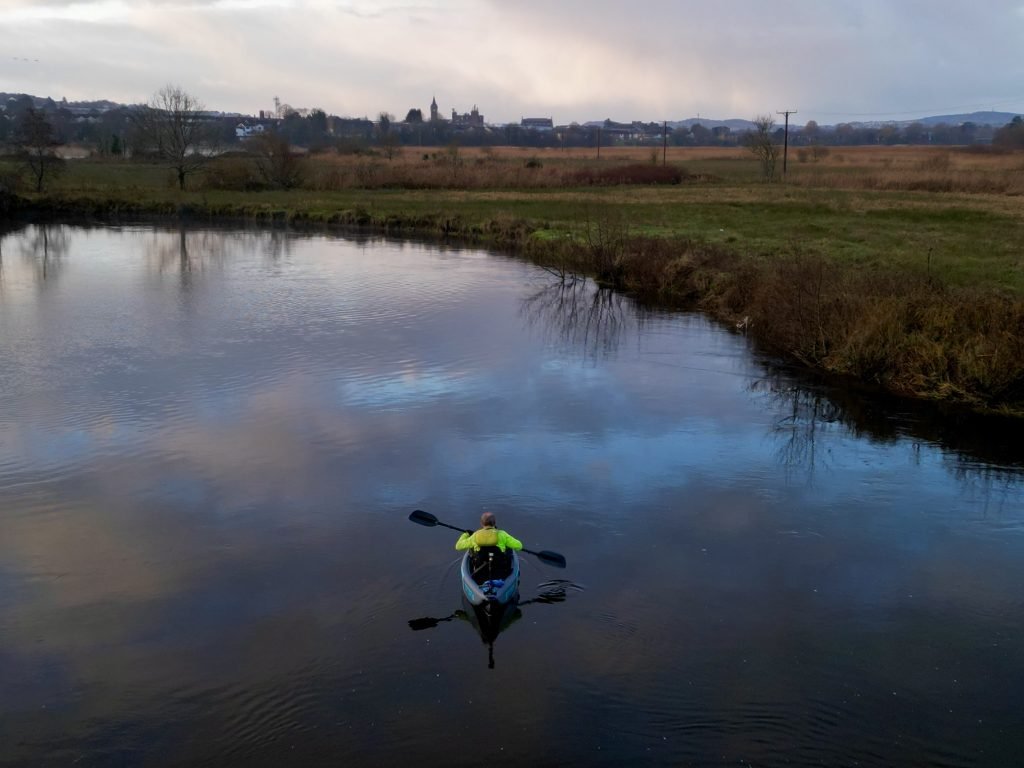
Canoe shape kayaks are the fastest of all of the types of kayak that we have tried due to their bow cones which help them cut through the water and they seem to track the best too, due to their V-shaped hulls.
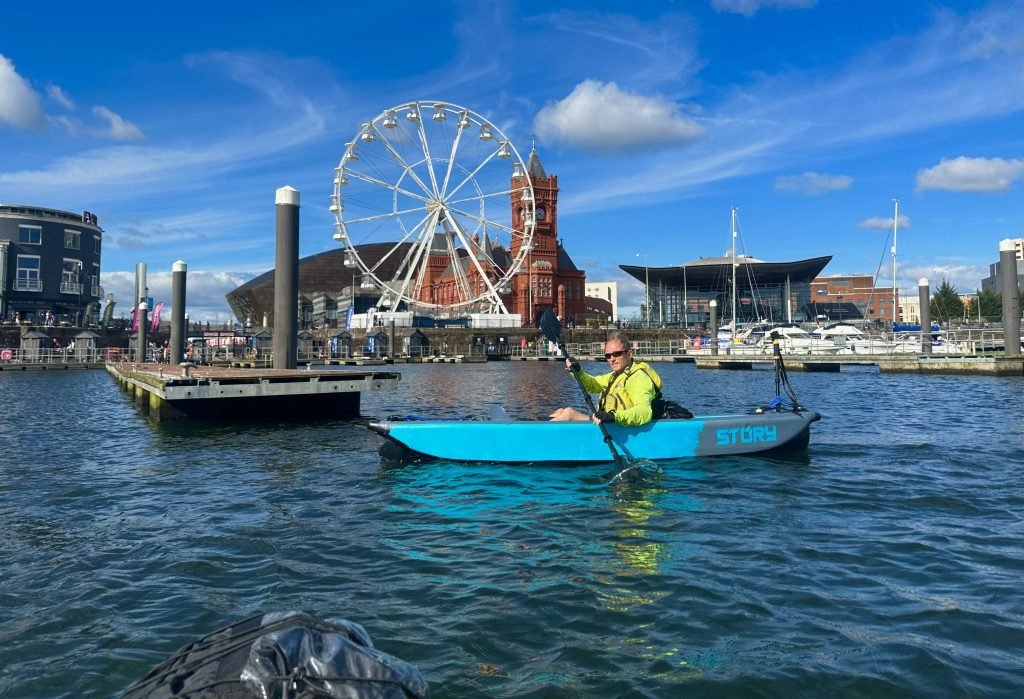
However, they the downside is that they are the least stable of all of the types of kayaks that we’ve tried.

In our view they are best used on relatively flat and calm stretches of water such as canals, flat water sections of river, lakes, protected estuaries sheltered bays and beaches.
7. CLAMSHELL drop stitch kayaks
A minority of drop stitch kayaks fall into this ‘Clamshell’ 2 panel drop stitch category.
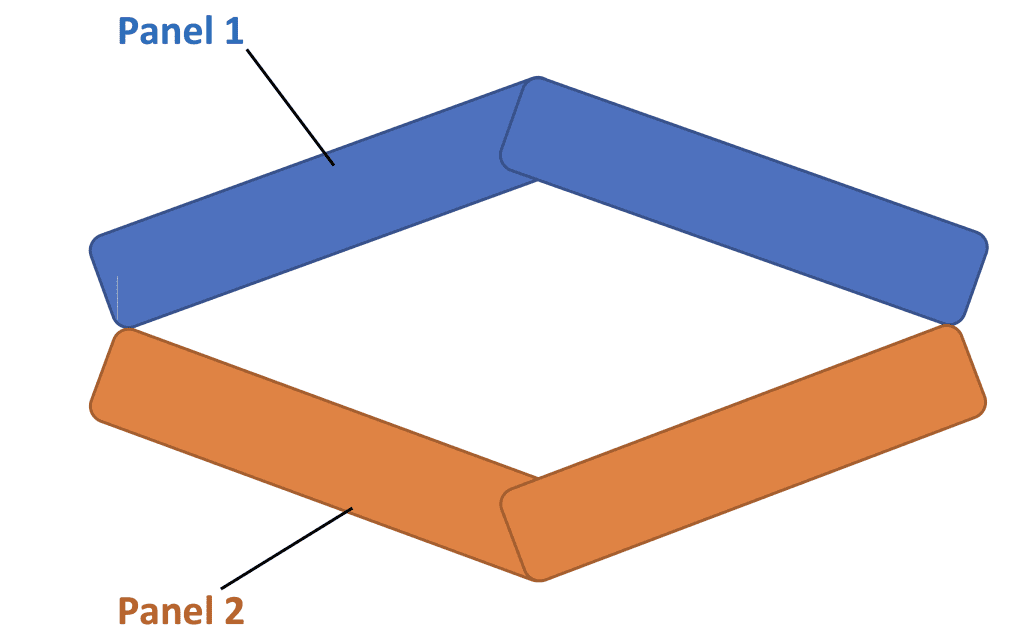
They are commonly described as being like a ‘Clamshell’ with the top panel and the bottom panel symmetrically closing around each other.
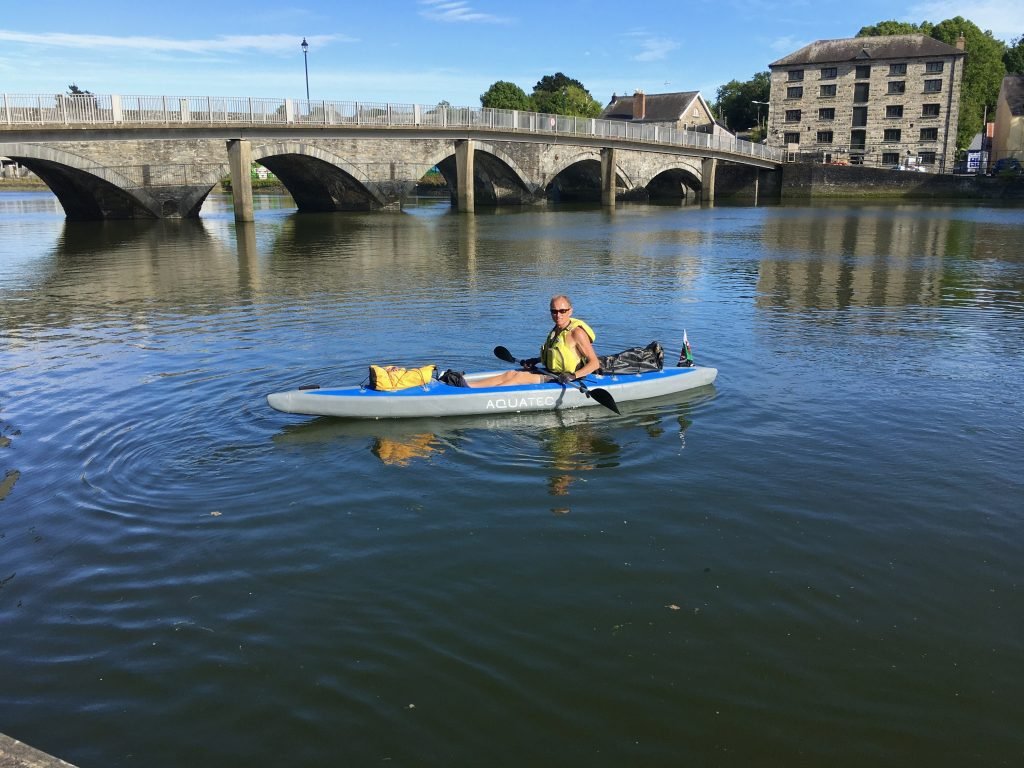
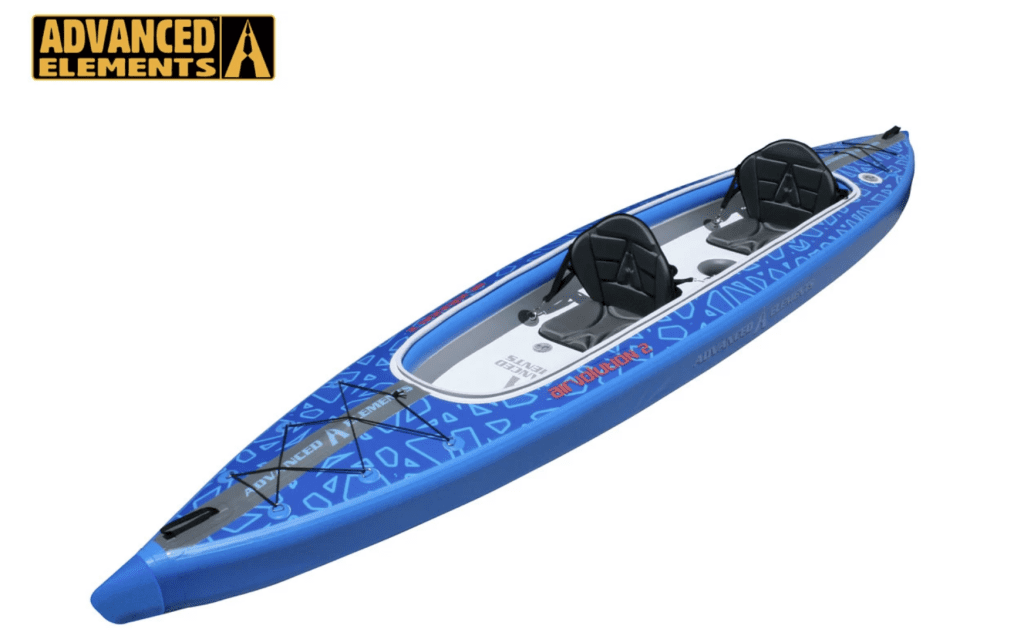
Models of these clamshell drop stitch kayaks include the Aquatec Ottowa, the Sandbanks Optimal and the Advanced Elements Airvolution kayaks.
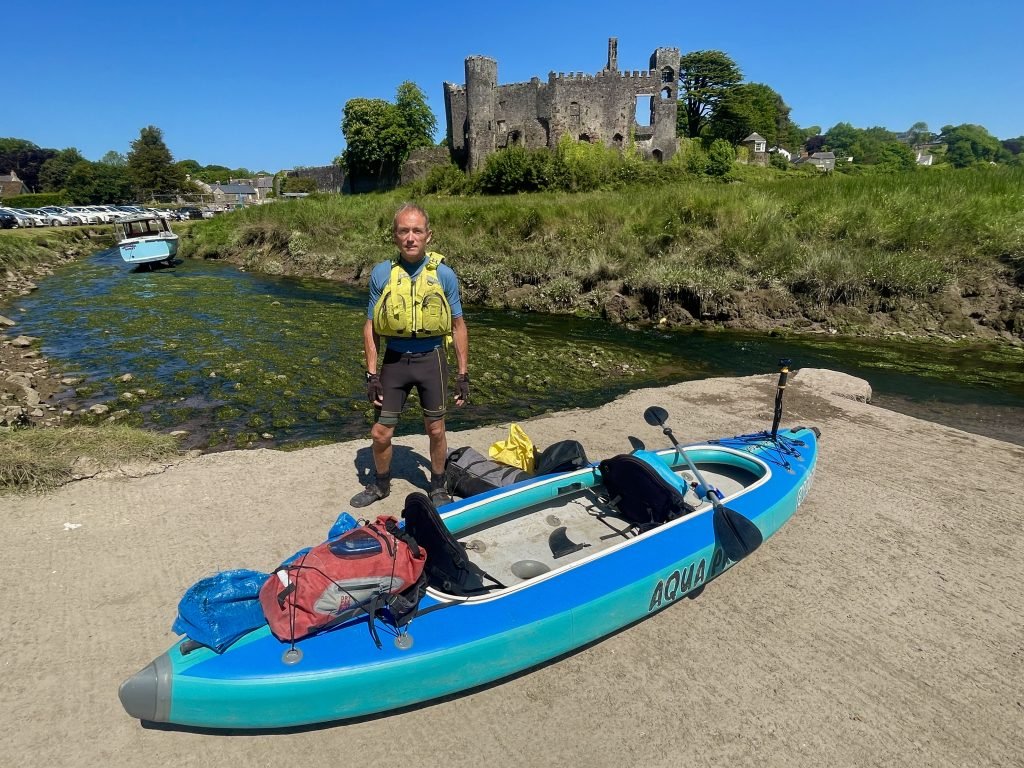
Clamshell kayaks are much more stable stable and easy to get into and out of than canoe shape drop stitch kayaks.
They are though a bit slower than canoe shape drop stitch kayaks and do not track quite as well.

We feel that these Clamshell drop stitch kayaks can be used for any type of kayaking since they are robust, stable and quite fast.
8. SUP-Kayak Hybrids
SUP-kayak hybrids are a relatively recent introduction to the inflatable kayak scene are are effectively comprised of 1 main panel with a floor insert.
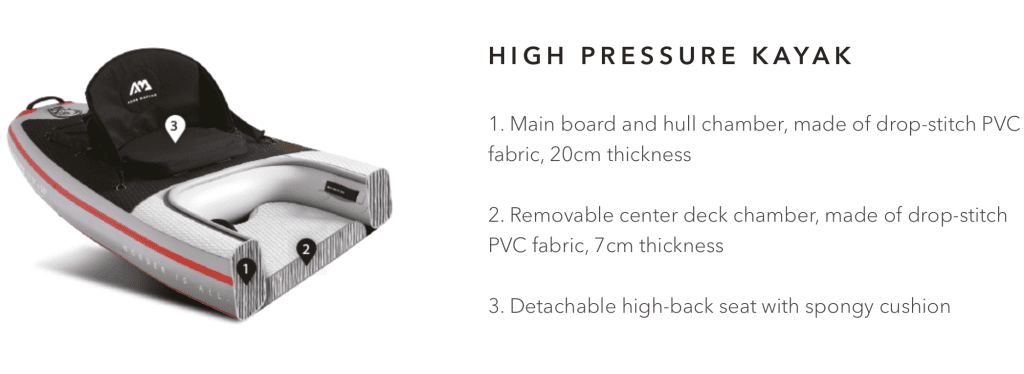
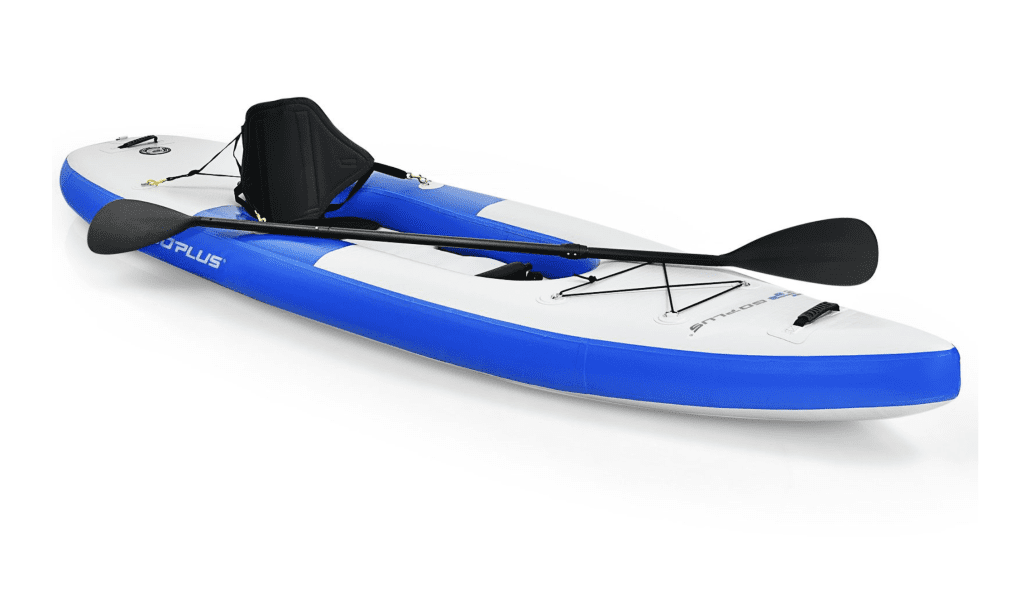
They are made from full drop stitch construction and have a very shallow cockpit. Due to the fact that they are so low profile yet quite wide, they are very stable. A budget example is the Costway SUP-kayak hybrid which currently retails for around £300.
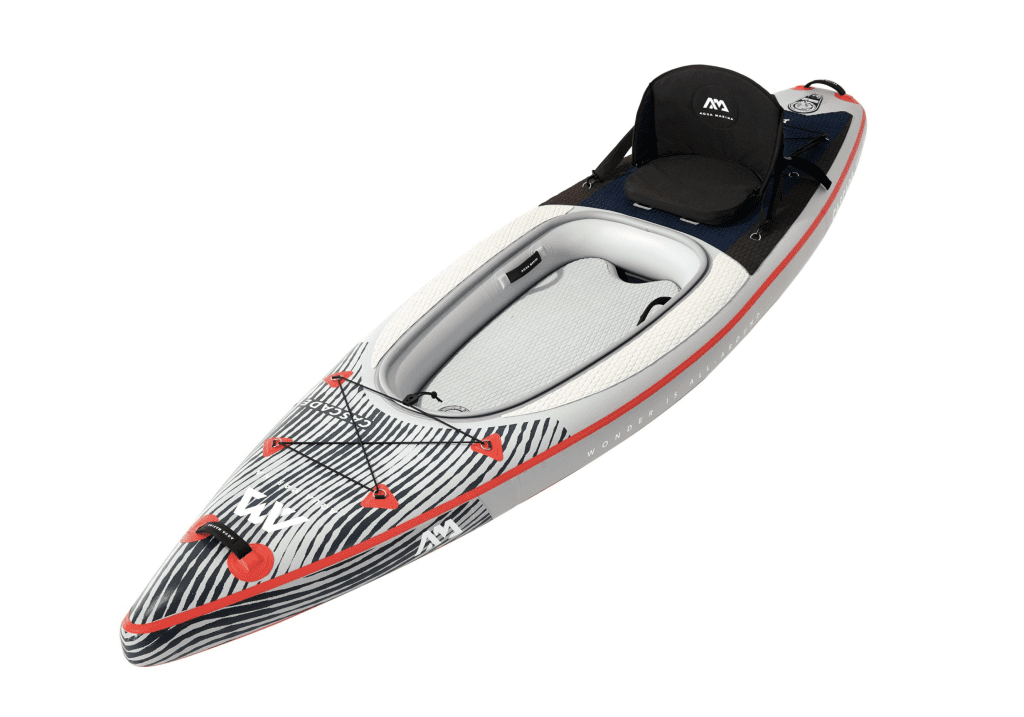
Another higher end example is the Aqua Marina Cascade which differs from the others in that you sit on the rear deck with your feet down in the cockpit.
These SUP-Kayak hybrids are very stable, maybe the most stable of all the categories of inflatable kayak, due to their width and low profile.
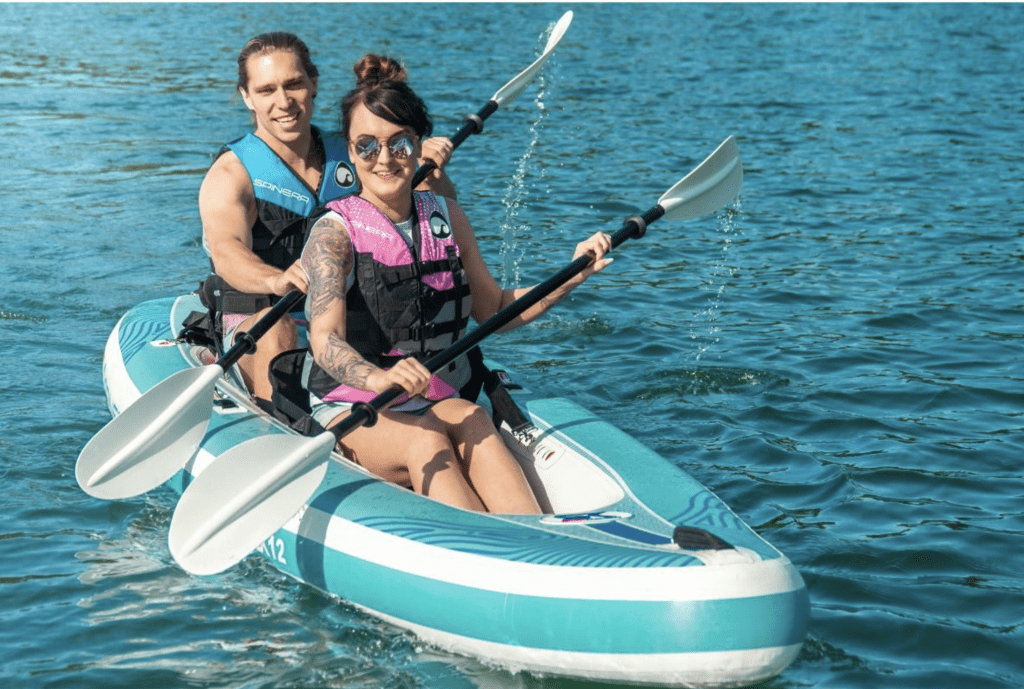
They will track a bit more poorly and not be quite as fast as canoe shaped or clamshell shaped full drop stitch kayaks since their very flat hulls are more similar to SUP’s than kayaks.
These SUP-kayak hybrids seem to be best suited to fairly sheltered waters such as canals, lakes, flat water sections of river and sheltered beaches and bays.
9. WHAT SORT OF KAYAKING WILL YOU BE DOING?
The type of kayaking you intend to is the main factor in determining what type of inflatable kayak would be best for you.
The more prospect there is of you having to paddle on wider, more open stretches of water which may be subject to currents, wides, winds and waves such as the open sea or wide estuaries, then the more important it is to have a stable and reliable kayak which has high enough sides to reduce waves from washing into the cockpit.
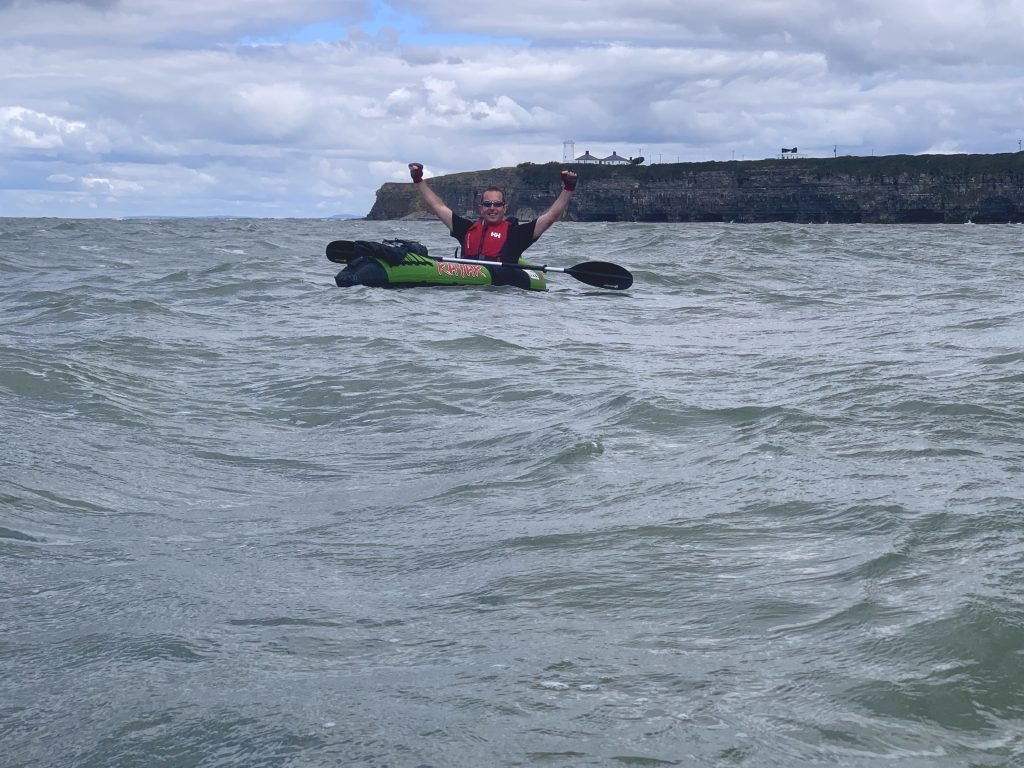
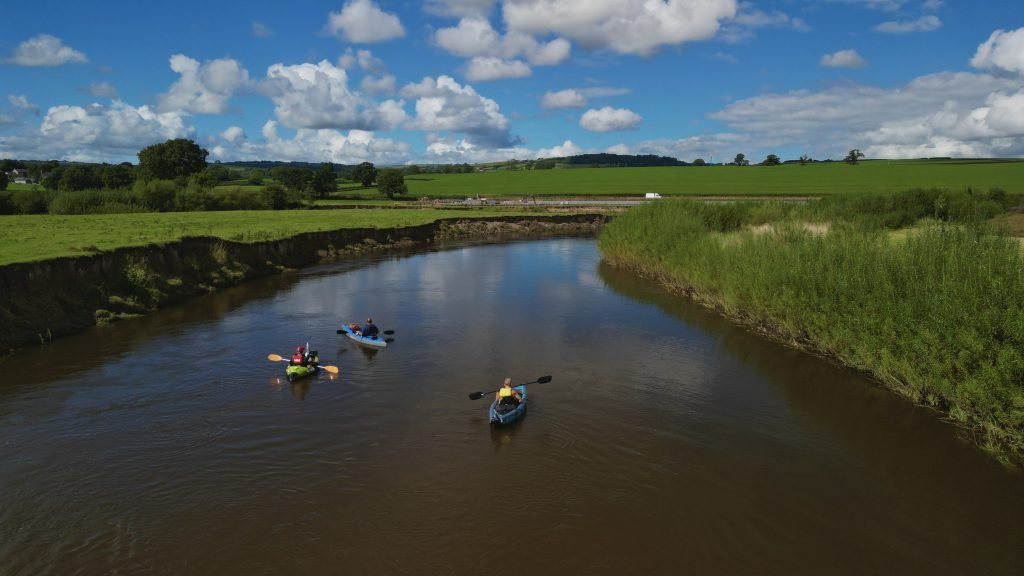
Conversely, if you will only be paddling on sheltered, flat waterways such as canals, lake, flat water sections of river or sheltered bays then you can pretty much use any type of inflatable kayak.
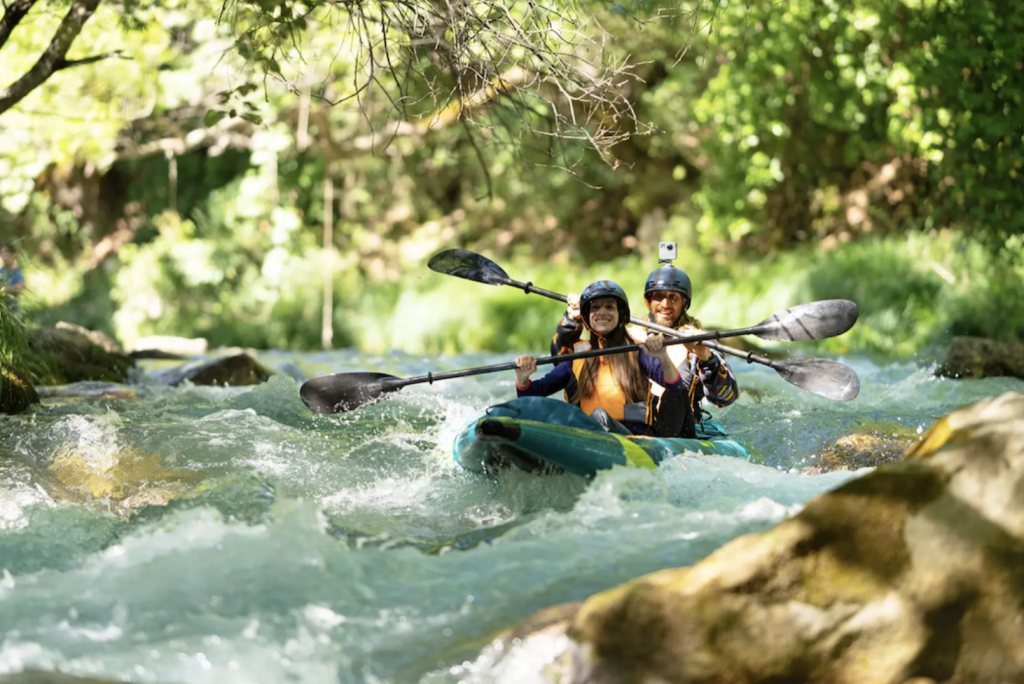
If you intend to do a lot of paddling rivers rapid of Grade 2 or above, then you want a reasonably tough kayak and if you are going to paddles Grade 3, 4 or even 5 rapids then you really should be considering a robust ,whitewater specific kayak.
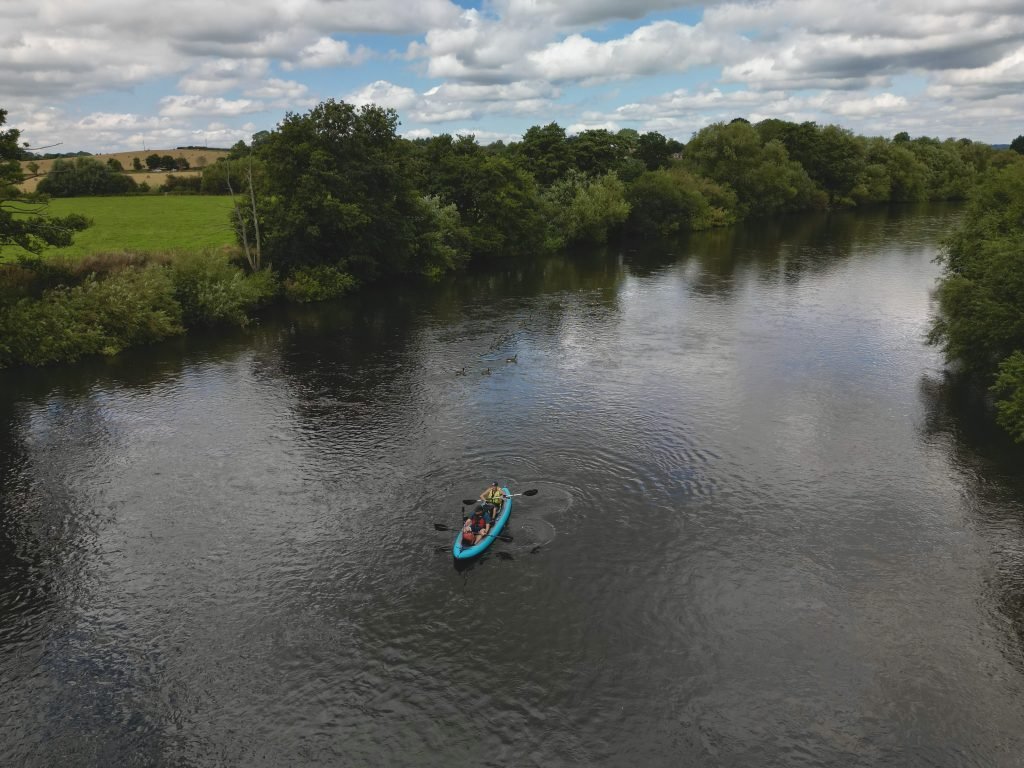
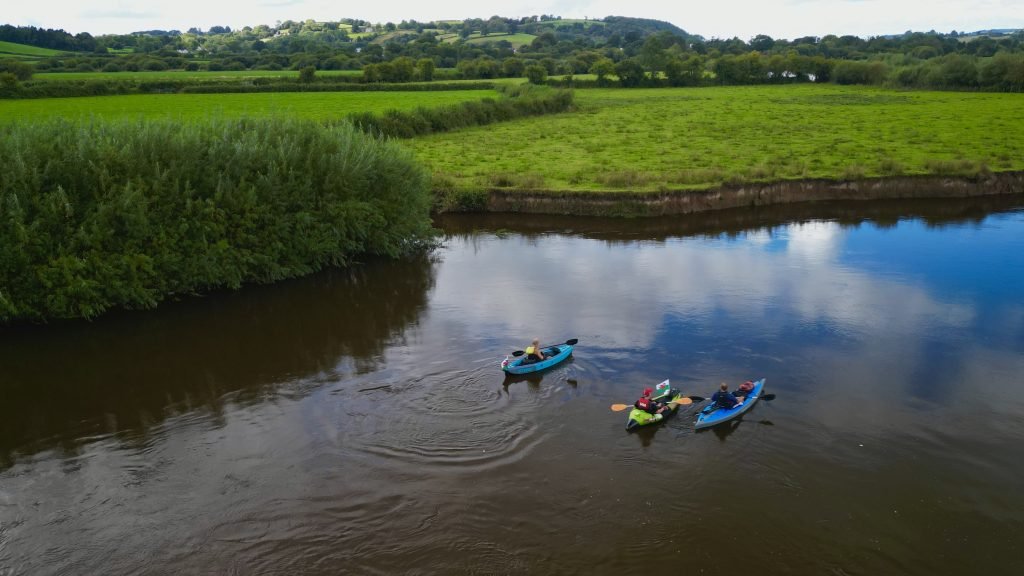
Estuaries are usually much calmer than the sea but they are very tidal and can get a bit rougher on exposed sections of very wide estuaries.
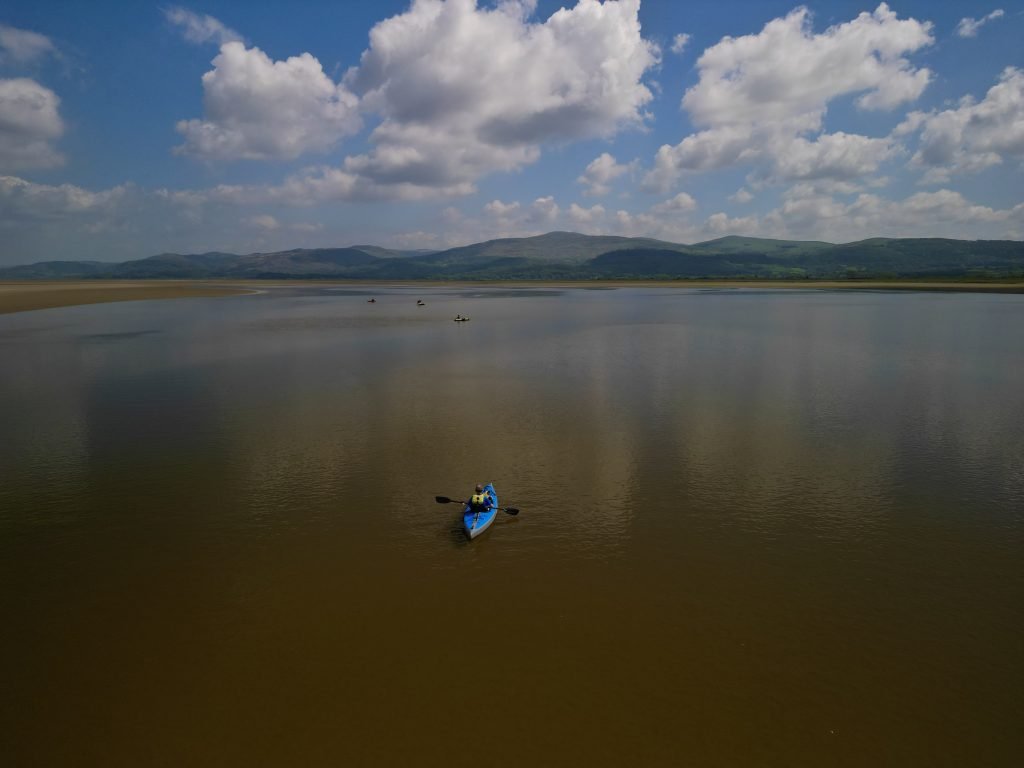
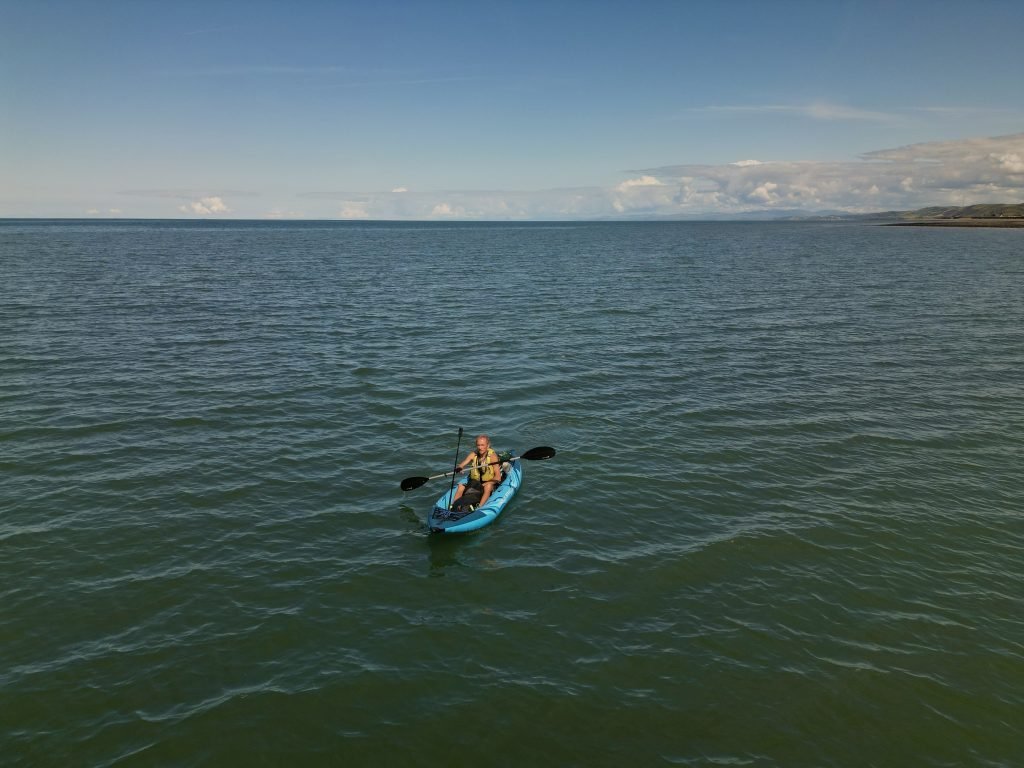
Lakes usually involve relatively safe flat water paddling but if they are very large lakes then they can often times get a bit rougher if the wind picks up.
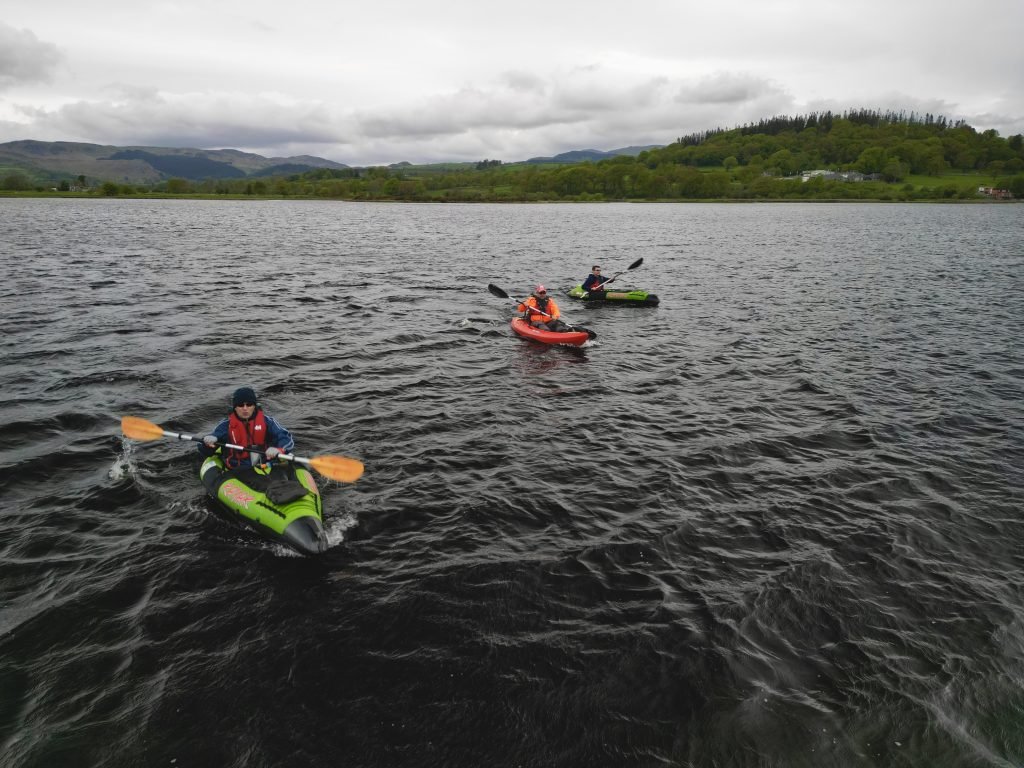
Kayak camping could involve you paddling on the sea, rivers, canals or lakes, so in that sense you need to also consider the type of waterway that you intend to paddle.
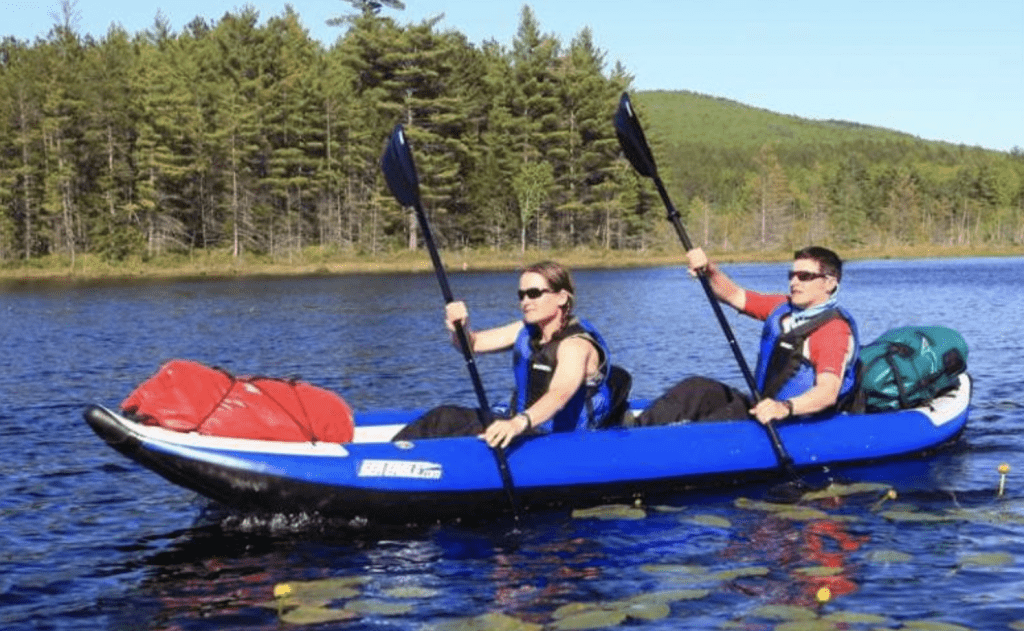
While you obviously want a kayak big enough to carry the extra gear required for camping, it is surprising how much stuff you can carry in any inflatable kayaks since you usually have a lot of storage space in the cockpit behind and in front of the seat.
10. WHAT IS YOUR BUDGET?
On the question of how much it’s worth you spending, this largely depends on how much kayaking you will be doing and what type of kayaking you’ll be doing.
If you only want to use a kayak occasionally for having a paddle off your local beach or on your local canal or river then maybe just a cheaper vinyl kayak, fabric covered kayak or PVC kayak will do. You can pick such kayaks up for anywhere between £100 to £500 these days.
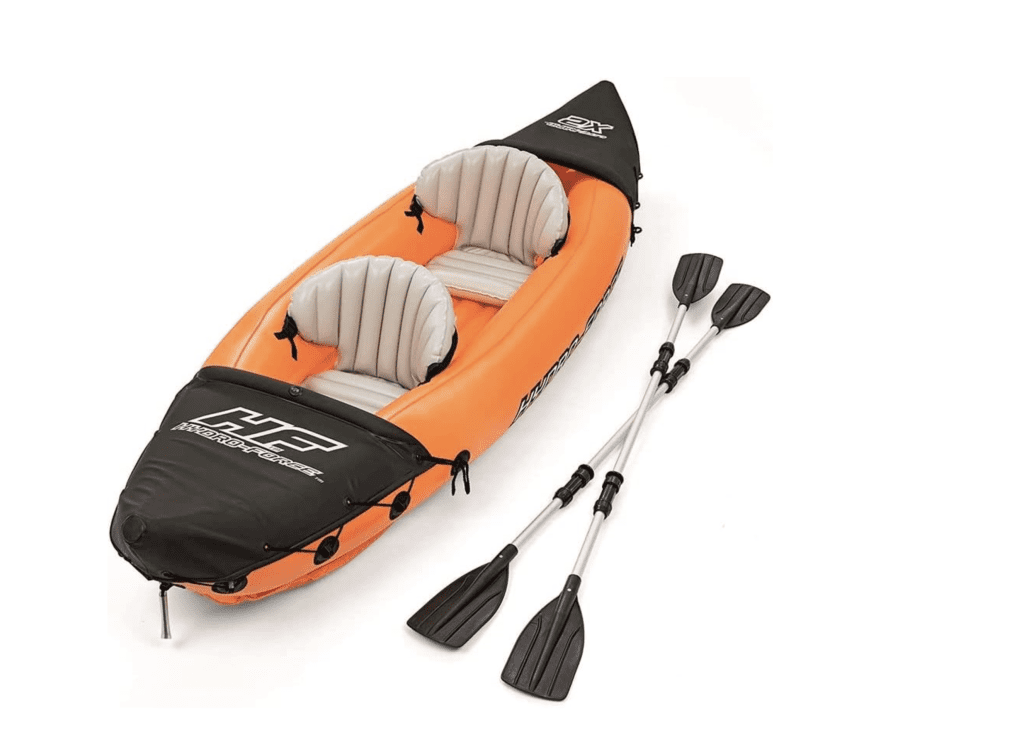
Alternatively, if you will be kayaking regularly for many years then it’s going to be far more worth spending more and getting a high end PVC kayak or maybe a full drop stitch kayak. Such kayaks range anywhere from about £500 to £1,500.
One thing we will say is that you will probably used your inflatable kayak for many years to come and over those years, you will probably end up using it a very large number of times so it will be money well spent.
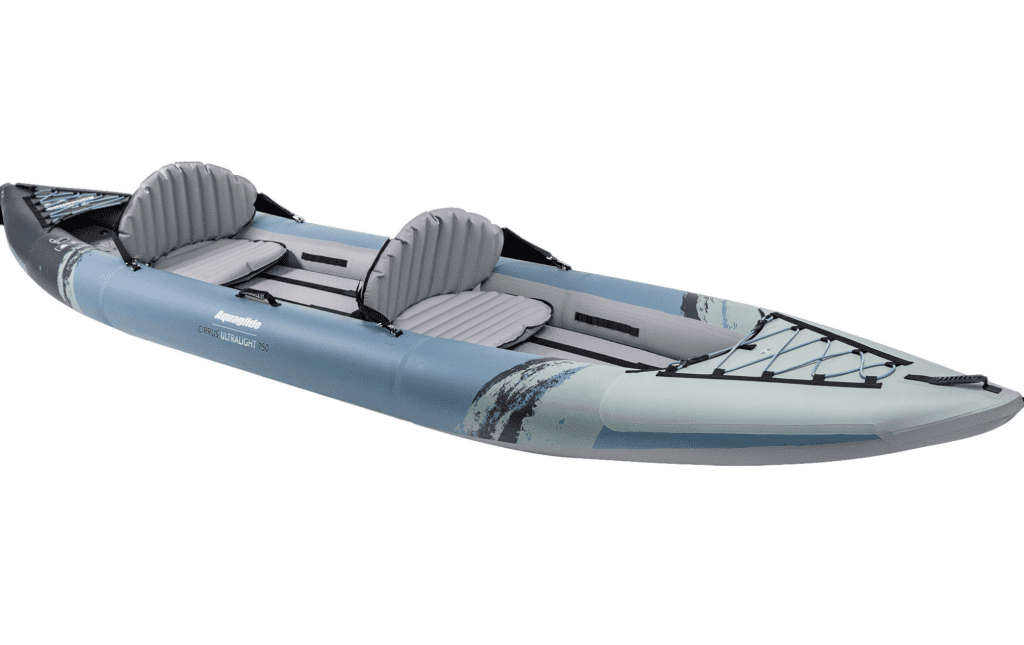
If you need a tandem kayak the they generally cost about 20% to 40 % more than the solo version of the same model since they are larger and are comprised of more material.
11. PORTABILITY
The size of the kayak obviously dictates it’s weight since the bigger the kayak, the heavier it generally is.
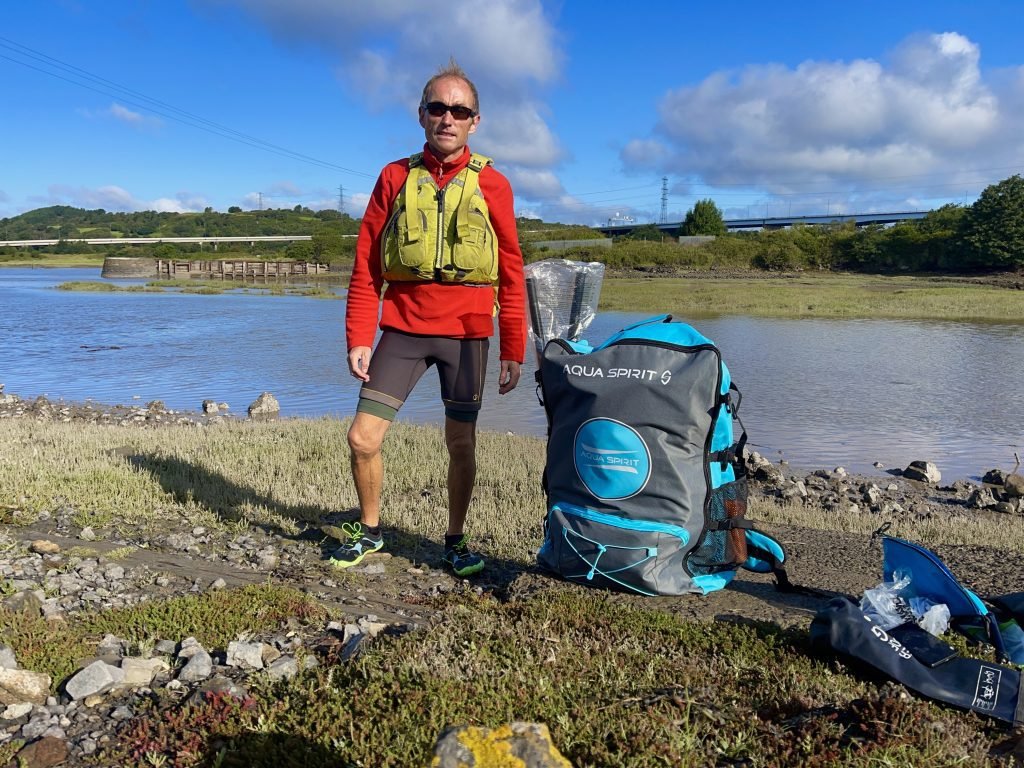
However, a full drop stitch kayak will be significantly heavier than a similarly sized non drop stitch kayak because drop stitch chambers are interweaved with densely with fabric threads and the out shell of the drop stitch material also tends to be thicker and heavier.
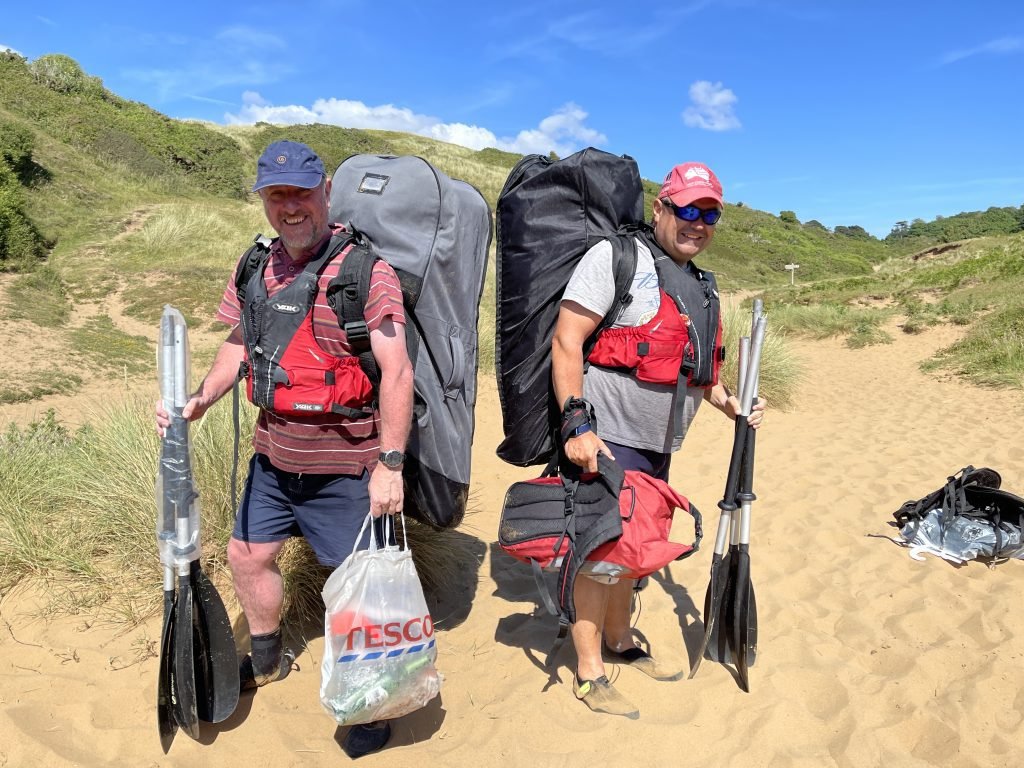
In summary, while drop stitch kayaks have the advantage of being inflatable to a high pressure so that they become almost as rigid as hard shell kayaks, the downside is that they weigh a lot more than non drop stitch kayaks of a similar size.
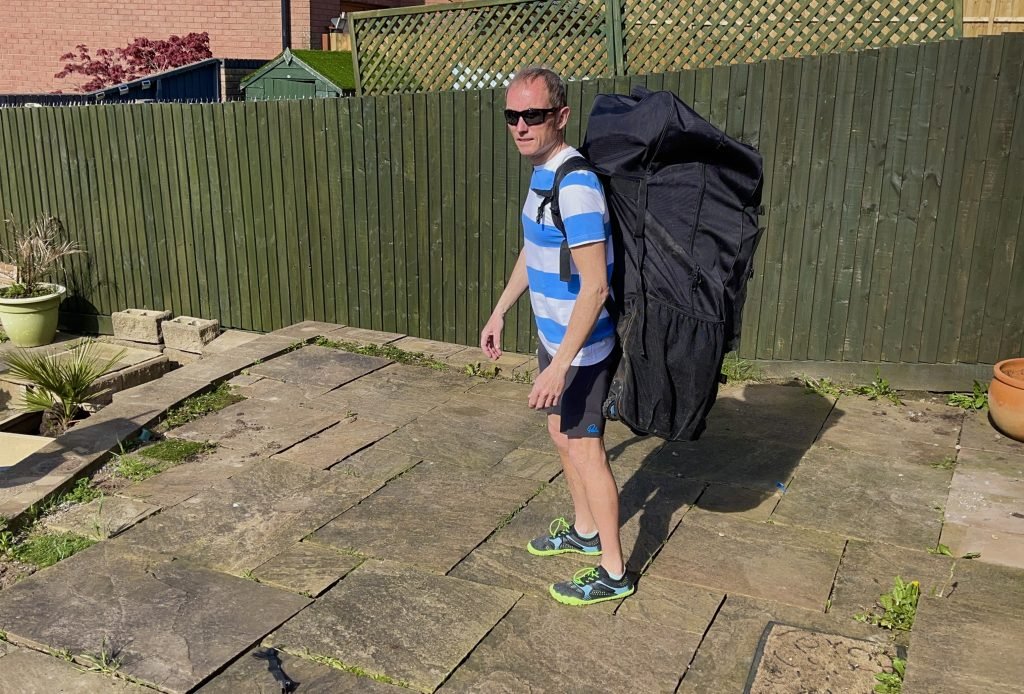
This explains why most drop stitch kayaks come with large carry backpacks which have wheels on the base of them to enable them to be wheeled along rather than carried on your back.
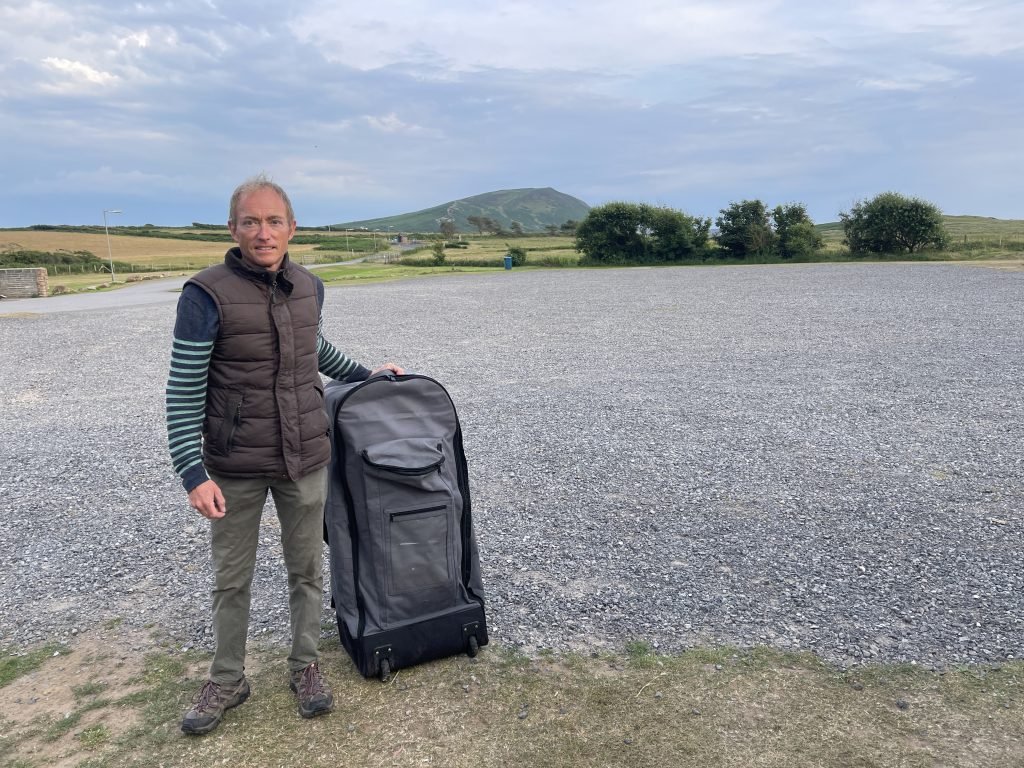
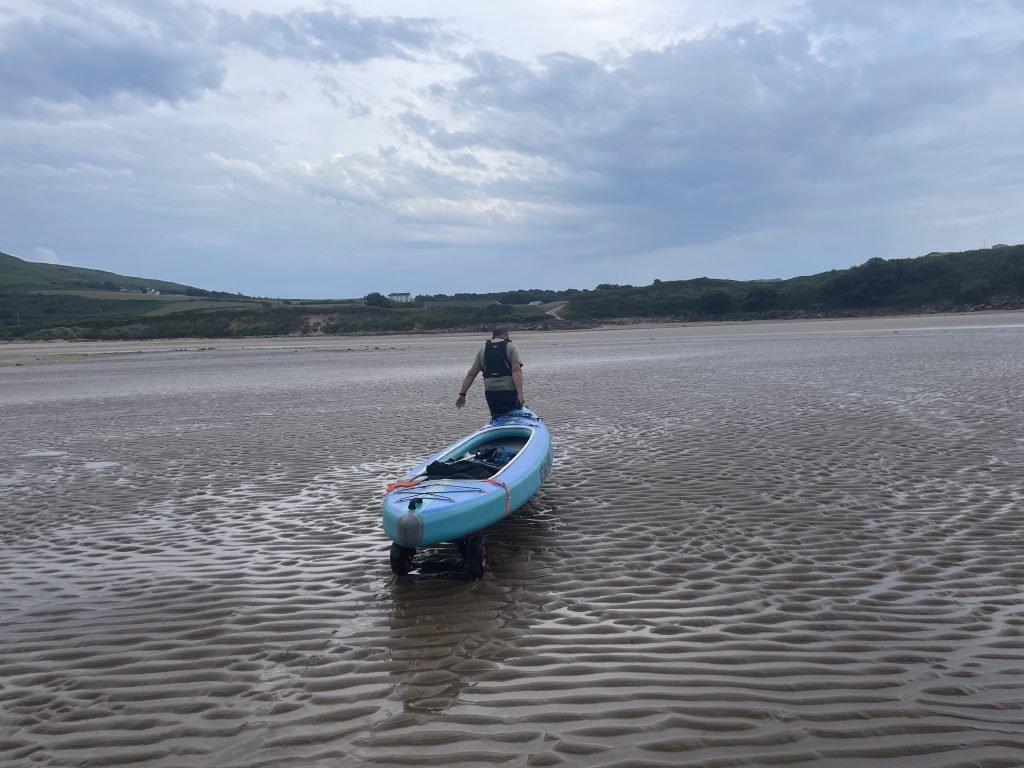
However, you cannot always wheel the bag along and instead have to carry it on your back, eg, across soft sand, across mud, etc.
12. SOLO VS TANDEM VS SOLO/TANDEM
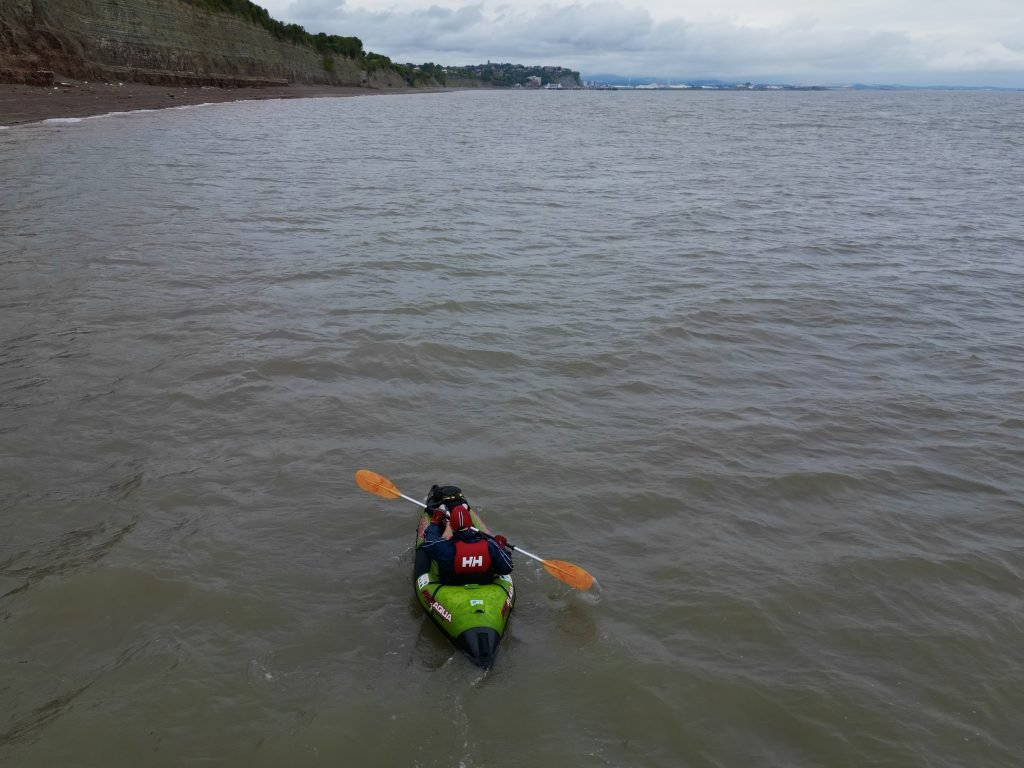
If you will only be paddling solo on your own, then it stands to reason that you should buy a solo kayak since it will be cheaper, lighter to carry and easier to paddle.
Most solo kayaks are about 3 meters to 3.5 meters long and weigh about 10KG to 12KG although some of the drop stitch ones can be longer and weigh more.
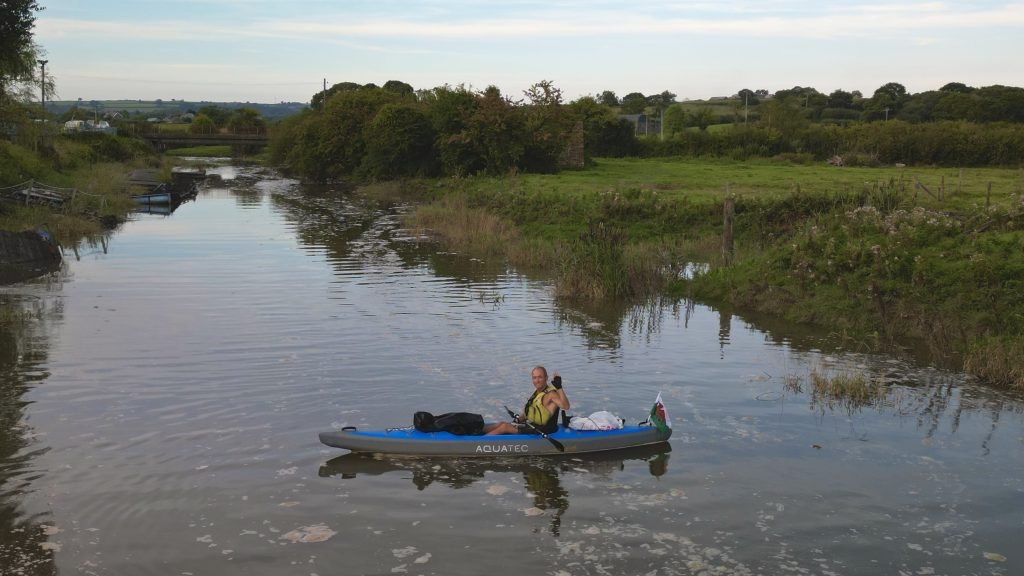
Conversely, if intend to go paddling tandem with your friend, partner or child, then a tandem kayak is obviously the one to get.
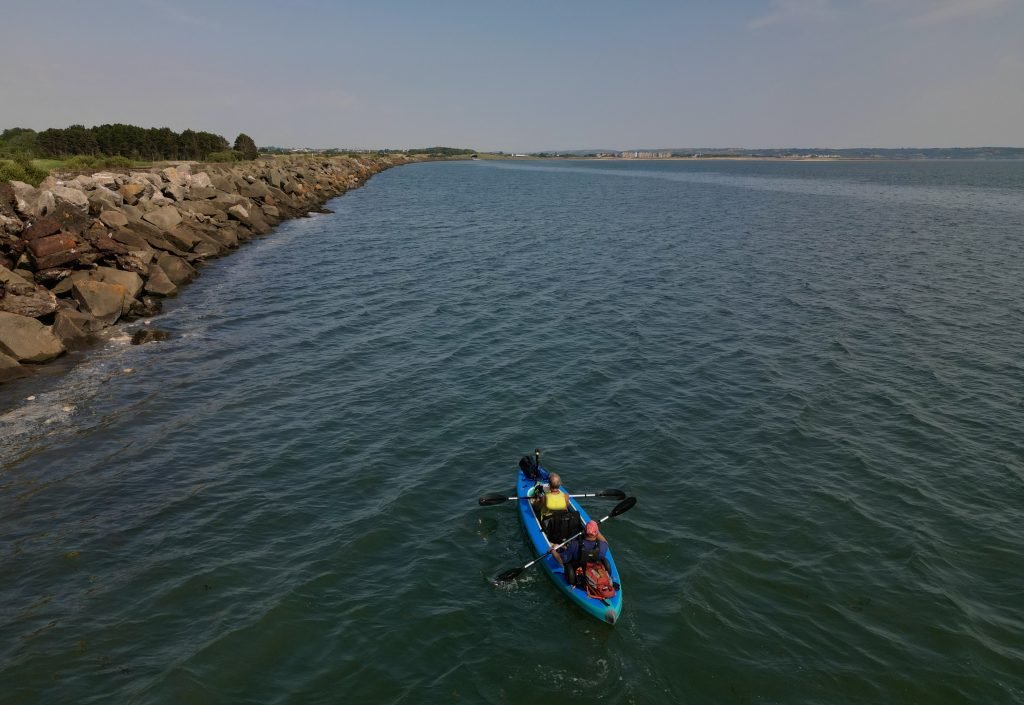
We all used solo kayaks the first few years we paddled even when there were a large group of us going out. However, we have graduated towards using tandems mostly now when there are a few of us since it’s far easier to chat as you paddle along – although this can be a disadvantage depending on who you are sharing the kayaking with …
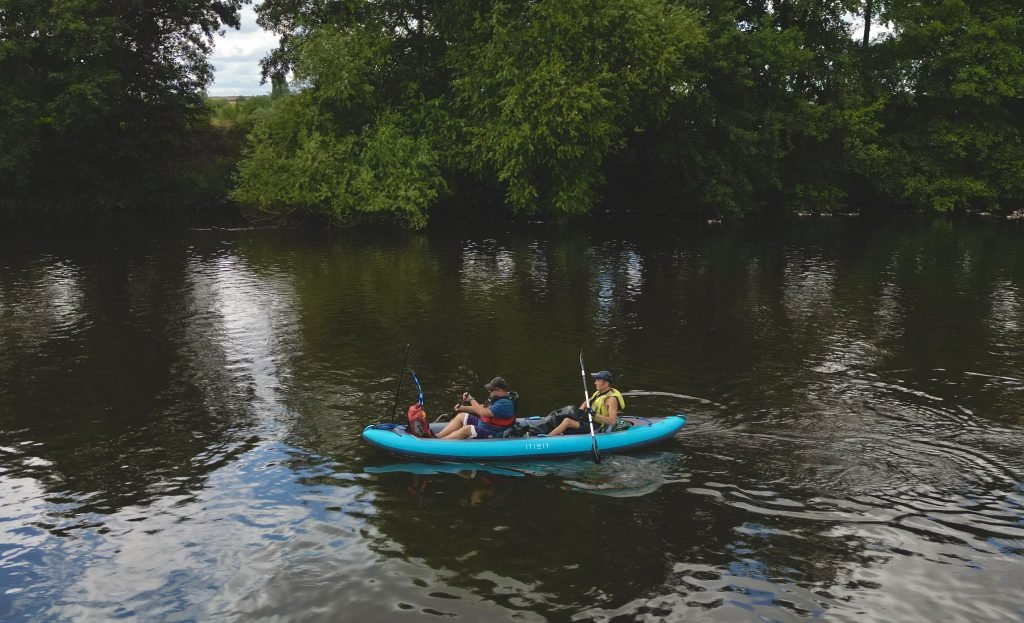
However, if you intend to sometimes go paddling solo but sometimes go paddling tandem, instaed of buying separate solo and tandem kayaks, you could instaed just buy a smaller tandem which is suitable to be used either solo or tandem.

We found the Itiwit X100 1-2 person kayak to be a good size to use solo but also as a tandem.
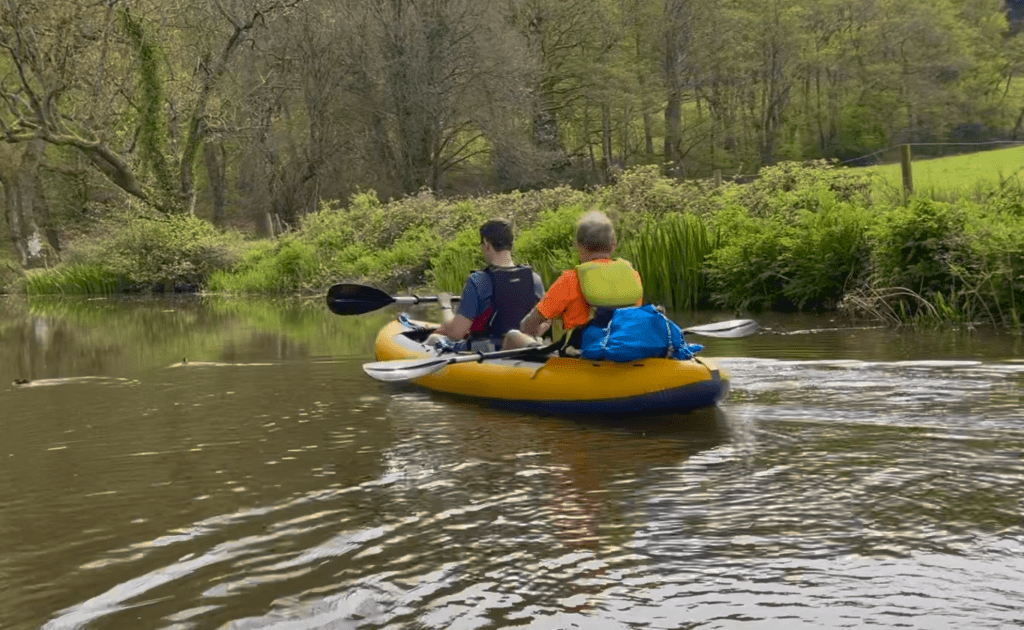
There are several other kayaks which are sized between about 360cm and 380cm which we feel are a reasonable size to use either solo or tandem, such as the Aqua Marina Memba, the Sea Eagle Fasttrack 385 and the Blue Wave Cruiser.
Once they start getting longer that 4 meters in length, while such kayaks can be paddled solo, they start to become a bit cumbersome and heavy to carry for one person.
13. summary
As you can see, there are a number of factors to consider when deciding what inflatable kayak to buy.
We have summarised into the below table the different categories of kayak which we feel are most suitable for the different types of waterway.
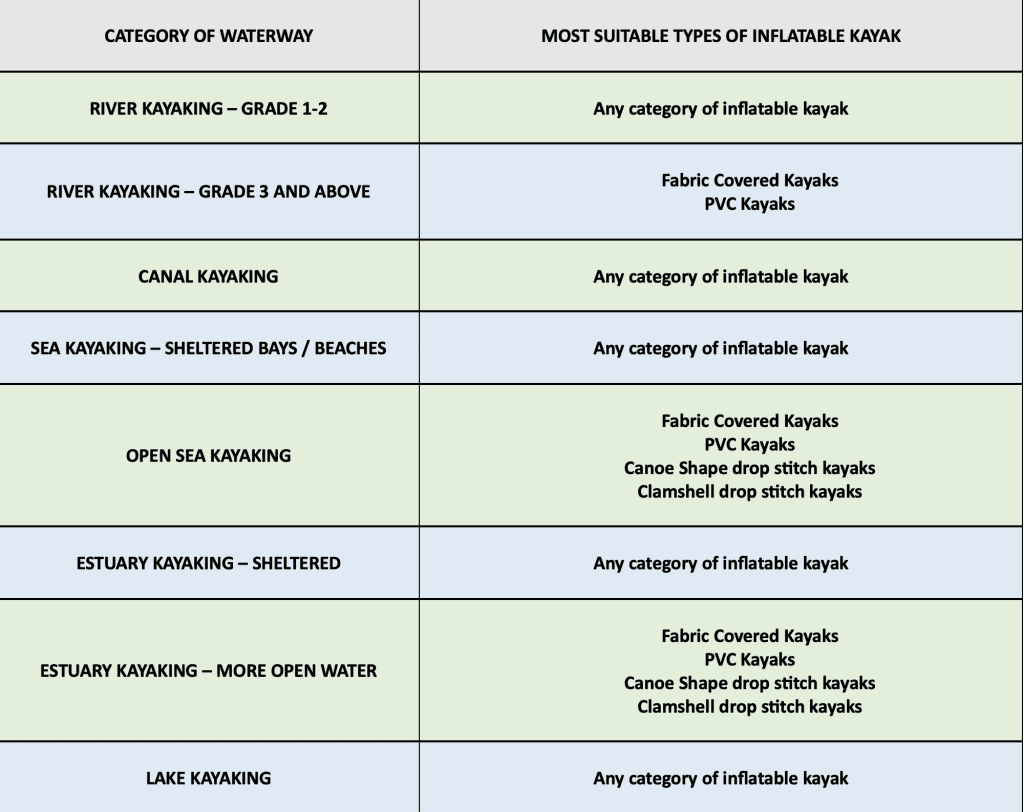
While almost all inflatables come with accessories of varying quality, we wouldn’t get too hung up on the accessories when deciding what kayak to buy since if you become a regular kayaker then you will likely end up buying your accessories such as a better paddle.
There are other types of inflatable kayak such Advanced Elements AdvancedFrame ones which are hybrid of a folding frame kayak and an inflatable kayak.
There are also folding kayaks with inflatable chambers which are another type of hybrid being a cross between a folding kayak and inflatable, such as the Neris folding kayaks.
We have not had time to cover those types of hybrid kayak here but we mention them for the sake of completeness.
We hope that you found this guide to buying an inflatable kayak useful. If you have any questions then get in touch using the contact form below or email us at info@kayakcrew.co.uk.
Hi Carlos, thanks for this detailed summary.
May I ask where is photo IMG_0762-1-1024×751.jpeg taken from? It looks beautiful.
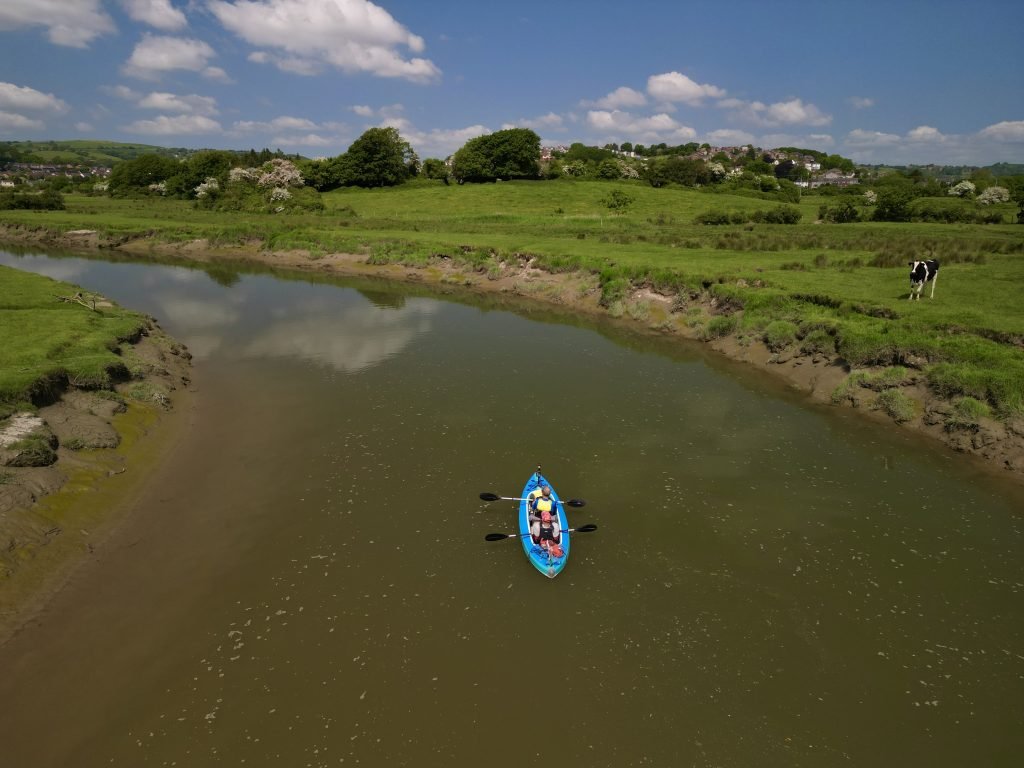
Hi, many thanks. Photo IMG_0762-1-1024×751.jpeg was taken by my mate when I was paddling my Aquatec kayak on the Taf Estuary in Carmarthenshire, South West Wales. It’s just upstream from Laugharne, a lovely village on the estuary which is famous for being where the writer Dylan Thomas did most of his writing when he lived there. There is another river in Wales called the Taff which flows through Cardiff in South East Wales. Taf is pronounced slightly differently as ‘Tav’ I think, while Taff is pronounced phonetically as it reads.
Pingback: ABERAERON TO NEWQUAY KAYAK -
Pingback: MERTHYR MAWR TO REST BAY KAYAK -
Pingback: WISEMANS BRIDGE TO PENDINE KAYAK -